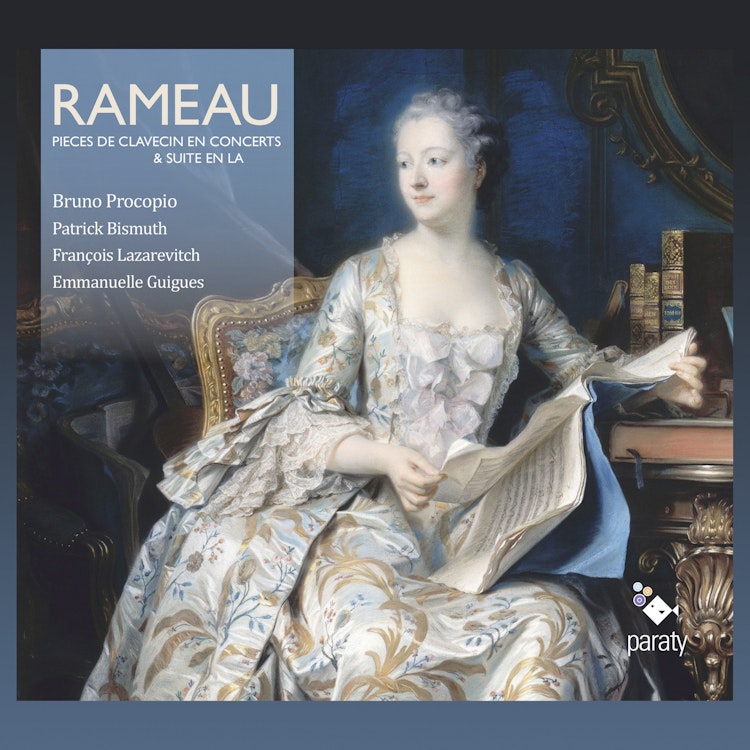
Rameau: Pièces de clavecin en concerts & suite en la
4/3/2013, 21 Tracks, 1:18:59
Featuring
Bruno Procopio
Emmanuelle Guigues
François Lazarevitch
Patrick Bismuth
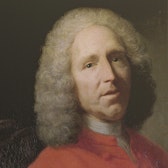
Jean-Philippe Rameau
Did you know?
1/7
Composition History
Jean-Philippe Rameau, the composer, self-published these pieces in Paris in 1741, at the age of 58, after he was already considered a master of French opera.
Recording & Production
The harpsichord used for this recording is a copy of a Flemish harpsichord by Rückers, a renowned family of harpsichord makers, adapted with a 'petit ravalement' (treble extension) in the French style.
Critical Reception
Unlike many contemporaries, Rameau's works remained in the repertoire of the Académie royale de musique until the end of the 18th century, and he was admired by later composers like Berlioz and Saint-Saëns.
Composer Biography
Rameau, born in Dijon in 1683, began his career as an organist, working in various cities before settling permanently in Paris in 1722.
Compositional Technique
Rameau's Pièces de clavecin en concerts are his only chamber music works, and he intended for the harpsichord to have a prominent, often soloistic, role.
Compositional Technique
Many movements in Rameau's concerts are named after people, places, or memories, such as 'La Livri' honoring a benefactor and 'La Laborde' for a child prodigy student.
Composer's Artistic Vision
Rameau's 'Pièces de clavecin en concerts' bridge the gap between Italian trio sonatas and Bach's polyphonic trios, and later keyboard sonatas with accompanying instruments.
You might also enjoy...
Bononcini: Divertimenti da camera, Transcription for Harpsichord
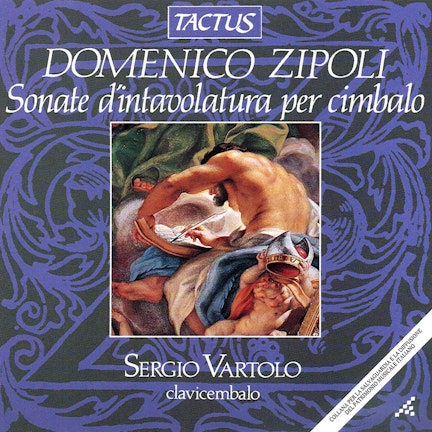
Zipoli: Sonate d'intavolatura per cimbalo
Rameau: Pièces de clavecin en concerts (1741)
Rameau: Pièces de clavecin en concerts
Rameau: Pièces de clavecin en concert
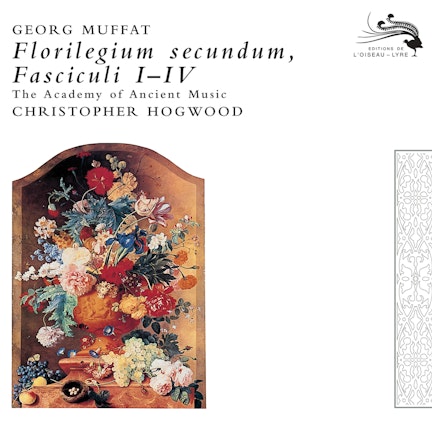
Muffat: Florilegium Secundum
J.S. Bach: Goldberg Variations, BWV 988 (arranged for Baroque Ensemble)
Rameau: Pièces de clavecin en concerts
Milko Lazar: Works for Harpsichord
Rameau: Pieces de clavecin en concerts
Jean-Philippe Rameau: Pièces De Clavecin En Concerts
Rameau: Pieces de clavecin en concerts
Undercover Bach - Orchestral Suites and Concertos
The Passinge Mesures – Music of the English Virginalists