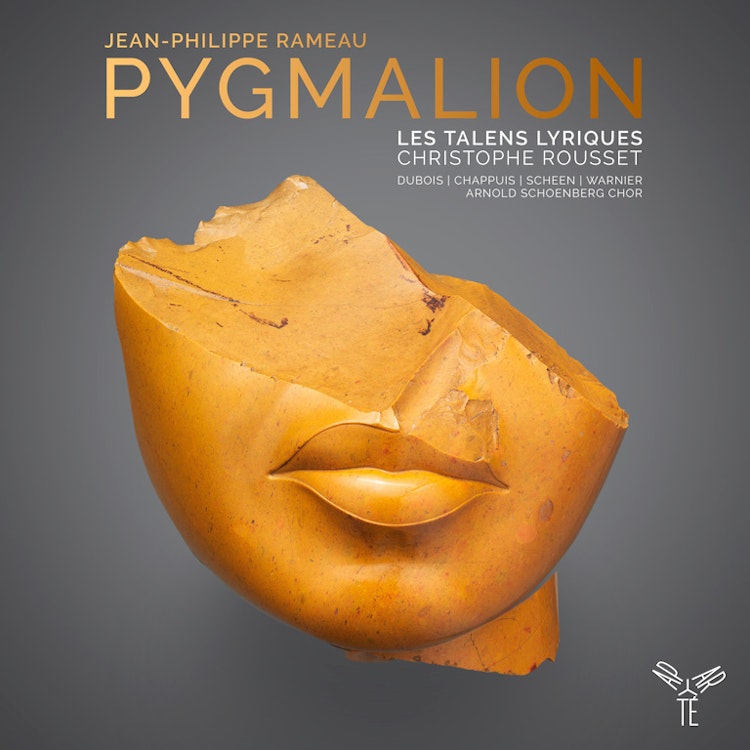
Pygmalion was an immediate success, performed over two hundred times until the 1780s, and was seen by the public and critics as a masterpiece.
Composition History
Jean-Philippe Rameau, the composer, wrote Pygmalion in less than eight days, likely between June and July 1748, due to time constraints.
Composition History
Les Fêtes de Polymnie, another work by Rameau, was designed to celebrate the French victory at the Battle of Fontenoy in 1745.
Historical Context
The story of Pygmalion was popular at the time, partly due to a controversial 1741 short story by philosopher Antoine Boureau-Deslandes, which was condemned to be burned.
Compositional Technique
The overture to Les Fêtes de Polymnie begins with an unusual and surprising daring seventh chord, which struck Rameau's contemporaries as novel.
Compositional Technique
In Pygmalion, Rameau innovatively uses a two-part overture with a repeated-note fugato that mimics the sculptor's chisel.
Composition History
For Pygmalion, Rameau adapted a libretto called La Sculpture by the poet Antoine Houdar de La Motte, which was originally part of an opera-ballet from 1700.
You might also enjoy...
John Eliot Gardiner Conducts French Baroque Music: Couperin, Rameau, Campra & Leclair
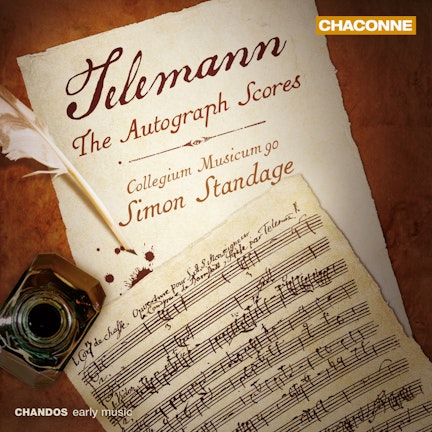
Telemann: The Autograph Scores
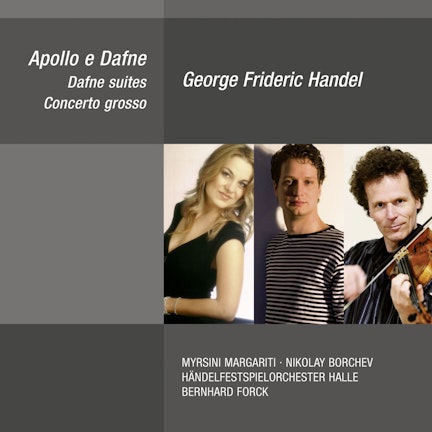
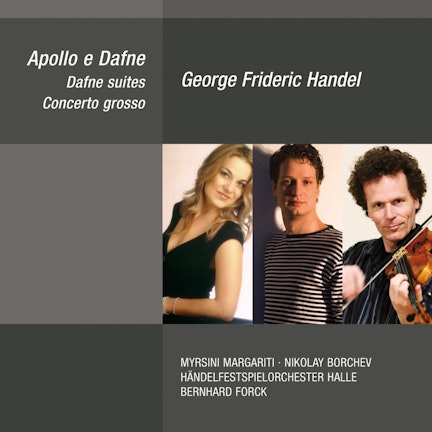
George Frideric Handel: Apollo e Dafne, Dafne Suites & Concerto grosso
George Frideric Handel: Apollo e Dafne, Dafne Suites & Concerto grosso
Telemann: Horn Concertos and Overtures
Telemann Edition, Vol. 1
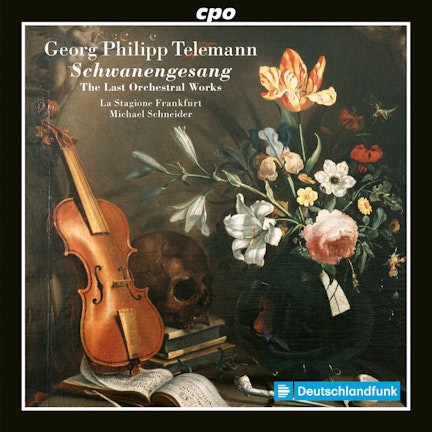
The Last Orchestral Works
Bach: Works (Live)
Ouvertüren: Music for the Hamburg Opera
Ouvertüren
Telemann Edition, Vol. 2
Karneval anno dazumal
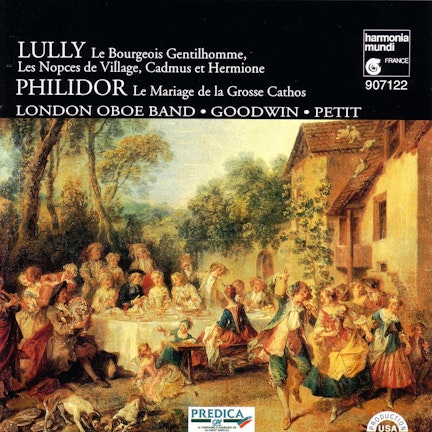
Lully: Le bourgeois Gentilhomme - Philidor: Le Mariage de la Grosse Cathos