The L'Orfeo Barockorchester, founded by Michi Gaigg and Carin van Heerden in 1996, has released nearly 50 CDs and received multiple awards, including an ECHO Klassik and an OPUS KLASSIK.
Critical Reception
Rameau's first opera, Hippolyte et Aricie (1733), was the first music to be described as 'baroque' (then a disparaging term) and divided the public into two camps: 'Lullistes' and 'Rameauneurs'.
Compositional Technique
French opera, as exemplified by Rameau, differs from the Italian model by featuring a free-flowing mixture of elements, including a quarter of the score dedicated to dance music.
Performer Biography
Michi Gaigg, the conductor, was strongly influenced by Nikolaus Harnoncourt during her violin studies at the Salzburg Mozarteum.
Compositional Technique
Rameau's Treatise on Harmony, published in 1722, asserted that harmony, not melody, is the root of all musical expression and coined terms like 'tonic' and 'dominant'.
Composer's Artistic Vision
Rameau's operas, like Zoroastre, explored themes of good versus evil and challenged existing social norms, offering a different vision of what it means to be civilized, similar to later works by Mozart.
Composer Biography
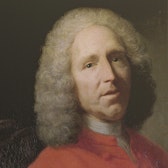
Jean-Philippe Rameau, a contemporary of Handel and Bach, spent his first 40 years as an organist and teacher in provincial France before moving to Paris.
You might also enjoy...
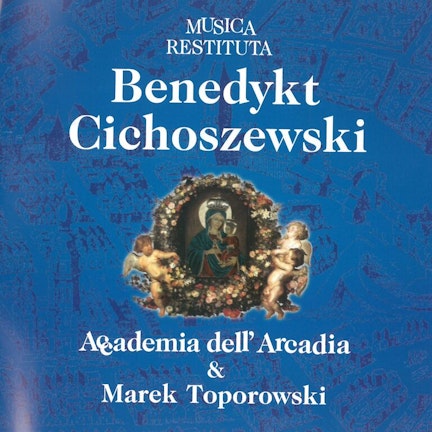
Accademia dell' Arcadia - Musica Restituta: Benedykt Cichoszewski
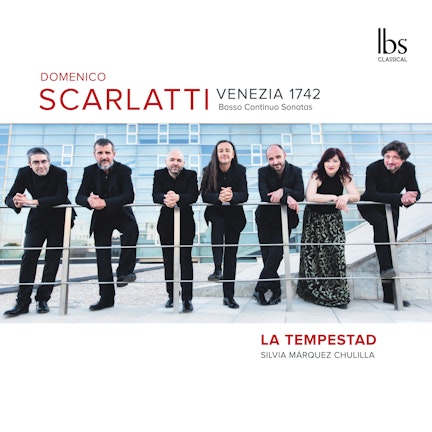
D. Scarlatti: Venezia 1742
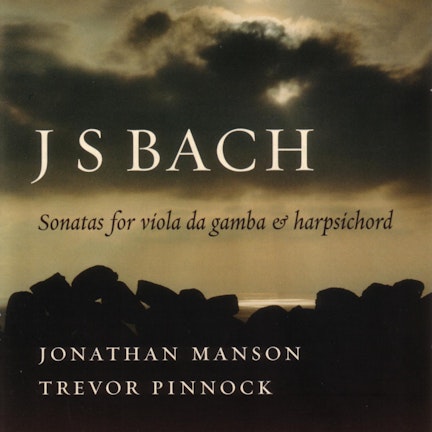
JS Bach: Sonatas for viola da gamba & harpsichord
Chambonnières: Harpsichord Suites
Apocryphal Sonatas
Biber, Muffat, Rosenmüller, Scheidt & Schmelzer: Consort Music
Tessarini: Flute Sonatas, Op. 12
Muzyczne dziedzictwo miasta Gdańska, Vol. 5 - Easter Cantatas of 18th Century Gdańsk
Telemann: Complete Horn Concertos for Horns, Strings & Basso Continuo