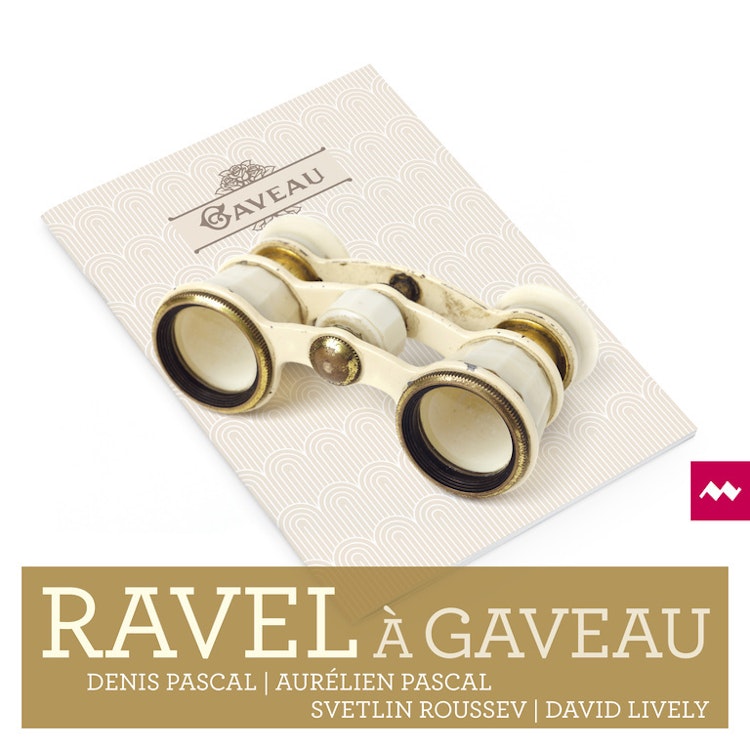
All four major works by Maurice Ravel on this album were premiered at the historic Salle Gaveau during concerts organized by the Société Musicale Indépendante, which Ravel co-founded.
Instruments
The Tzigane on this album is performed using a luthéal, a hybrid instrument invented by Georges Cloetens that enriches the piano sound to mimic a cimbalom.
Critical Reception
The premiere of Ravel's Valses nobles et sentimentales was met with jeers and boos, and his authorship was only recognized by a slight majority in an anonymous concert vote.
Composer Biography
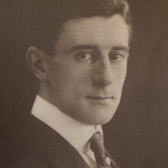
Maurice Ravel's father, Joseph Ravel, was a renowned engineer who pioneered the internal combustion engine and railway construction, and was also an excellent musician.
Compositional Technique
Ravel's Jeux d'eau was the first piece to explore the piano's resources for resonance, blurring, and reverberation, laying the foundation for musical impressionism in piano literature.
Composer's Artistic Vision
Ravel's artistic personality combined whimsical fantasy and exuberance with a cold rationality and meticulous elaboration, evident in works like L'Heure espagnole.
Composition History
Ravel composed his Piano Trio during the outbreak of World War I, rushing to finish it so he could join the fighting, despite being exempted from military service.
You might also enjoy...
Ravel: L'œuvre pour piano, vol. 2. Gaspard de la nuit, Le tombeau de Couperin, Valses nobles et sentimentales