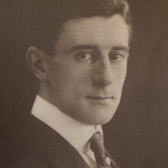
Maurice Ravel, the composer, was described by his pupil Roland-Manuel as embodying Baudelaire's definition of a dandy: elegant coldness, discreet refinement, and a horror of triviality.
Composition History
The idea for Ravel's Tzigane came to him in 1922 after hearing Hungarian violinist Jelly d'Arányi perform at a private concert in London.
Recording & Production
This album features live recordings from the Tonhalle in Zurich, made between November 2014 and November 2015.
Performer Biography
Lionel Bringuier, the conductor, won the 2005 Besançon International Competition for Young Conductors and the audience prize with Ravel's La Valse when he was barely nineteen.
Composer's Artistic Vision
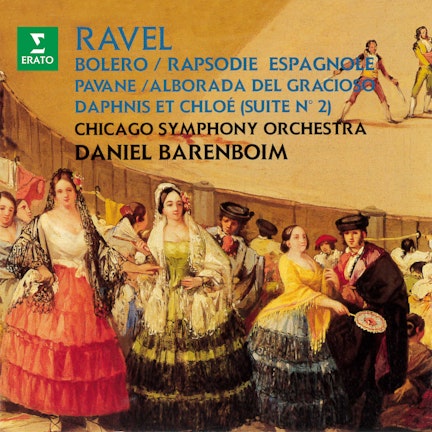
Ravel's lifelong affinity for Spain, cultivated early on with his goatee beard and beret, is evident in works like Pavane pour une infante défunte and Rapsodie espagnole, which conjure an imaginary Andalusia.
Compositional Technique
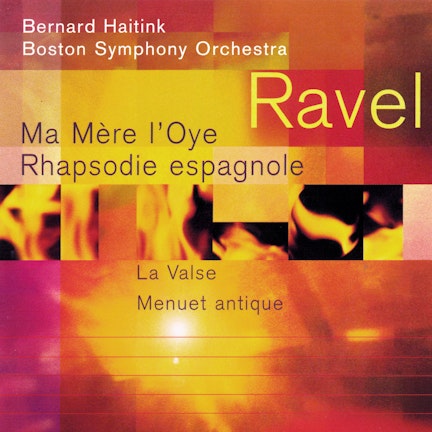
Ravel, a gifted pianist, conceived many of his orchestral works at the piano, often orchestrating them later, as seen with Menuet antique, Une barque sur l'océan, and Alborada del gracioso.
Composition History
Ravel's Boléro was created under duress in 1928 after copyright issues prevented him from pursuing an alternative project, leading him to work on a "fairly unique piece" with "no form in the true sense of the word."
You might also enjoy...
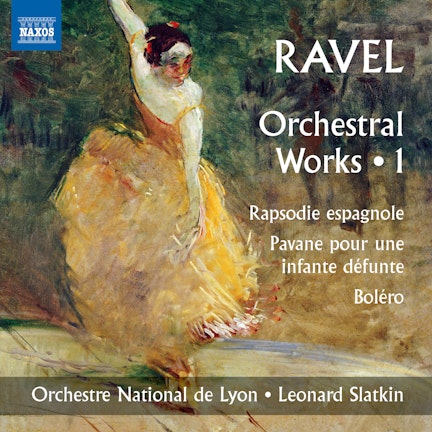
Ravel: Orchestral Works, Vol. 1
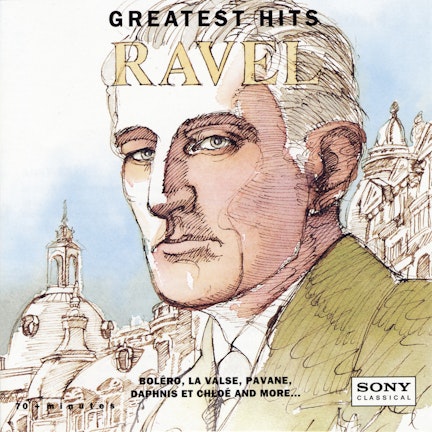
Greatest Hits Of Ravel
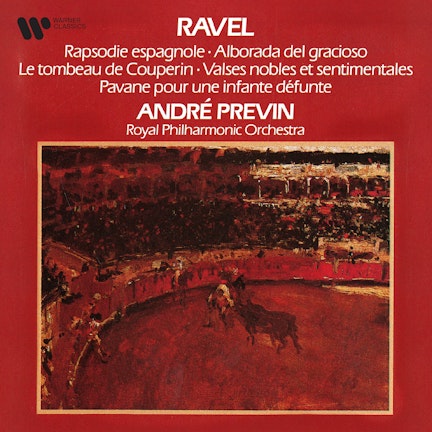
Ravel: Rapsodie espagnole, Le tombeau de Couperin, Valses nobles et sentimentales & Pavane pour une infante défunte
Ravel: Rapsodie Espagnole; Une barque sur l'ocean
Ravel: Orchestral Works, Vol. 2
Ravel : Orchestral works
Ravel orchestral music with Soustrot
Ravel: Complete Orchestral Works
Ravel: La valse, M. 72 & Other Works
Ravel: Orchestral Works
Ravel: Boléro; Rapsodie espagnole; Daphnis et Chloé Suite No. 2; Pavane pour une infante défunte
Ravel: Rapsodie Espagnole / La Valse / Daphnis Et Chloe
Ravel: Ma Mère l'Oye; Rapsodie espagnole; La Valse; Menuet antique