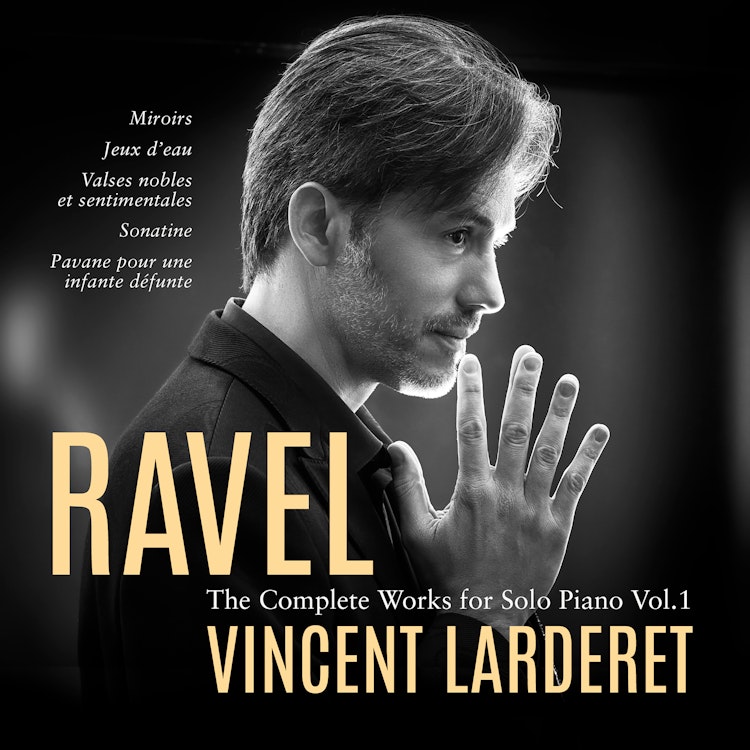
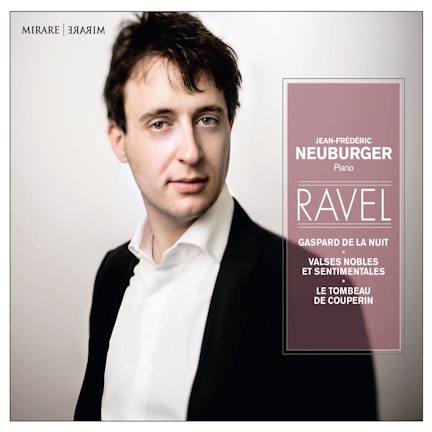
Vincent Larderet, the pianist on this recording, is honored with the title of 'Steinway Artist' and has been praised as 'one of the best pianists of our time'.
Composer's Artistic Vision
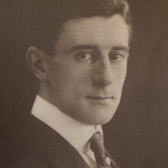
Ravel's artistic approach was resolutely anti-romantic; he used the external world to disguise his inner truth, speaking of things to avoid speaking of himself.
Compositional Technique
Ravel's Jeux d'eau, composed in 1901, was inspired by the sounds of water and is considered by the composer to be the origin of all pianistic innovations in his work.
Compositional Technique
Many of Ravel's works, including two pieces from Miroirs, Valses nobles et sentimentales, and Pavane pour une infante défunte, were originally composed for piano and later orchestrated by Ravel himself.
Critical Reception
Ravel himself was critical of his popular Pavane pour une infante défunte, citing 'the too glaring influence of Chabrier and the rather poor form'.
Interpretation
Pianist Vincent Larderet prepared this recording using the personal scores of Vlado Perlemuter, a pianist who collaborated with Ravel between 1927 and 1929 and annotated his scores with Ravel's interpretive secrets.
You might also enjoy...
Ravel:Piano Works
Ravel: Complete Solo Piano Works
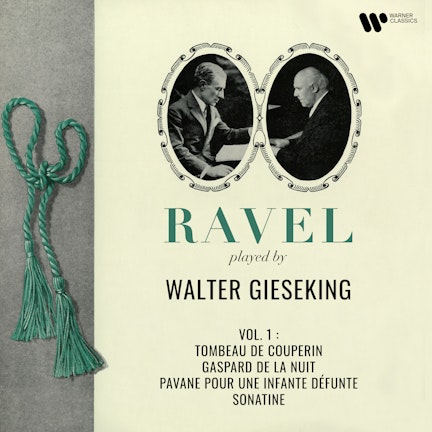
Ravel: Tombeau de Couperin, Gaspard de la nuit, Pavane pour une infante défunte & Sonatine
Ravel
Ravel: Piano Music
Casadesus Plays Piano Music of Ravel
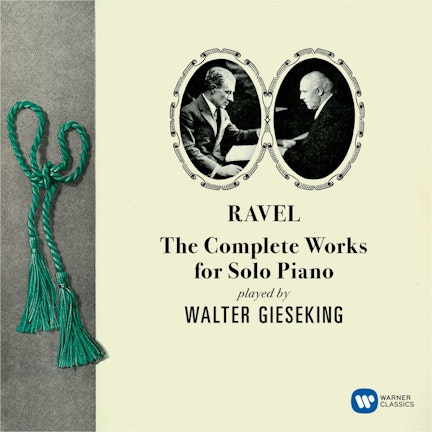
Ravel: Complete Works for Solo Piano
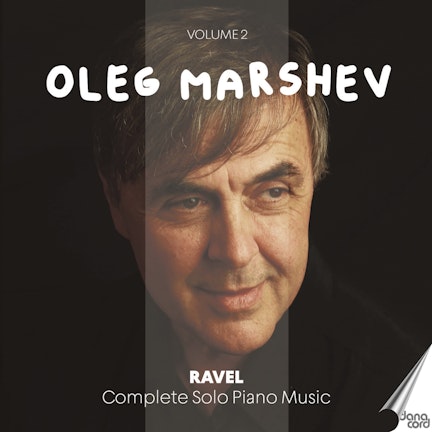
Ravel: Complete Solo Piano Music, Vol. 2
Ravel: Complete Works for Solo Piano
Ravel: Complete Piano Works [2011 - Remaster]
Ravel - Gaspard de la nuit - Valses nobles et sentimentales - Le Tombeau de Couperin