Ravel: Concerto en sol, Le Tombeau de Couperin & Alborada del gracioso
11/29/2019, 15 Tracks, 1:21:03
Featuring
Josep Pons
Javier Perianes
Orchestre de Paris
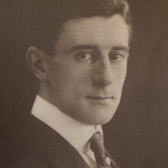
Maurice Ravel
Did you know?
1/7
Composition History
Ravel's Concerto in G major was intended to be a brilliant work showcasing the performer's virtuosity, taking inspiration from Mozart and Saint-Saëns.
Composer's Artistic Vision
Maurice Ravel, the composer, deeply admired Franz Liszt and, like him, orchestrated a substantial portion of his own piano works.
Composition History
Ravel began composing Le Tombeau de Couperin in 1914, but his work was disrupted by the outbreak of the First World War, during which he served as a driver in the army.
Composer's Artistic Vision
In Le Tombeau de Couperin, Ravel's homage is directed less at Couperin himself and more towards 18th-century French music, reflecting qualities like formal perfection and precision.
Composer Biography
Maurice Ravel was born in Ciboure, in the French Basque Country, and was always proud of his Basque roots, inherited from his mother, Marie Delouart.
Compositional Technique
Ravel's orchestral versions of his piano works, such as Le Tombeau de Couperin and Alborada del gracioso, are described as refined reworkings that acquire new nuances and inventive sonorities without changing the musical material.
Performer Biography
Javier Perianes, the pianist on this recording, was awarded the 'National Music Prize' in 2012 by the Ministry of Culture of Spain and named International Classical Music Awards (ICMA) Artist of the Year in 2019.
You might also enjoy...
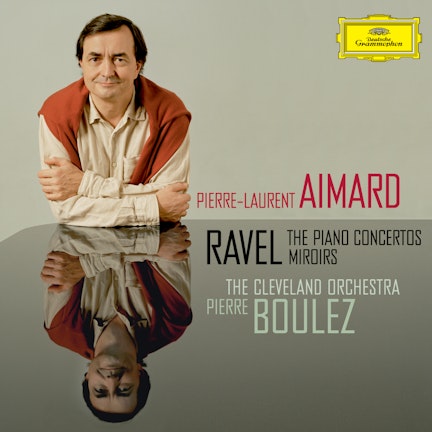
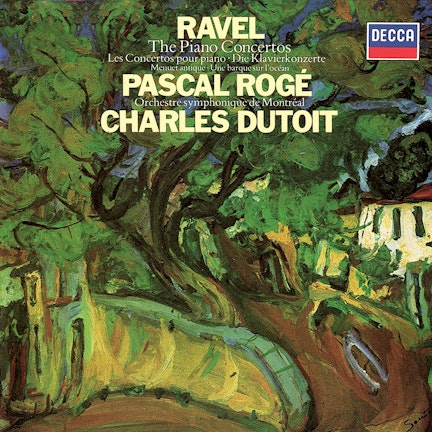
Ravel: The Piano Concertos; Miroirs
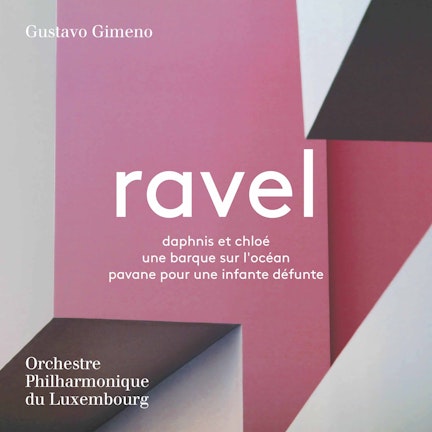
Ravel: Daphnis et Chloé, Une barque sur l'océan & Pavane pour une infante défunte
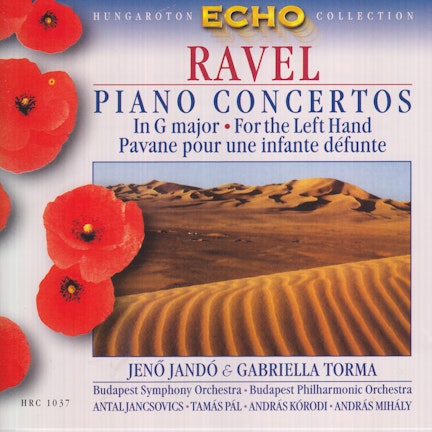
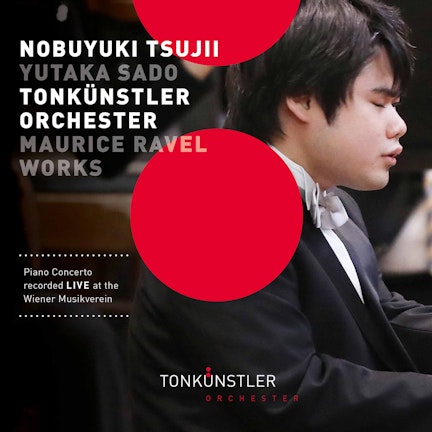
Ravel: Piano Concerto in G Major / Piano Concerto for the Left Hand / Introduction Et Allegro
Ravel: Piano Concertos; Une barque sur l'océan; Fanfare; Menuet antique
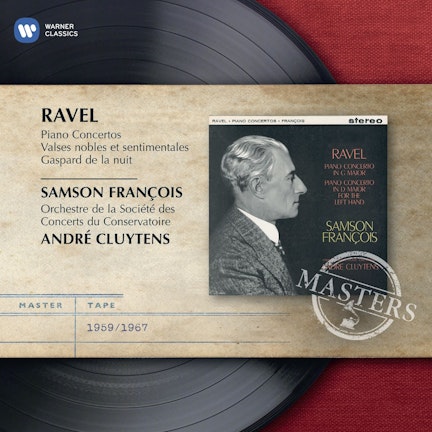
Ravel: Piano Concertos
Ravel: Daphnis et Chloé & Pavane pour une infante défunte