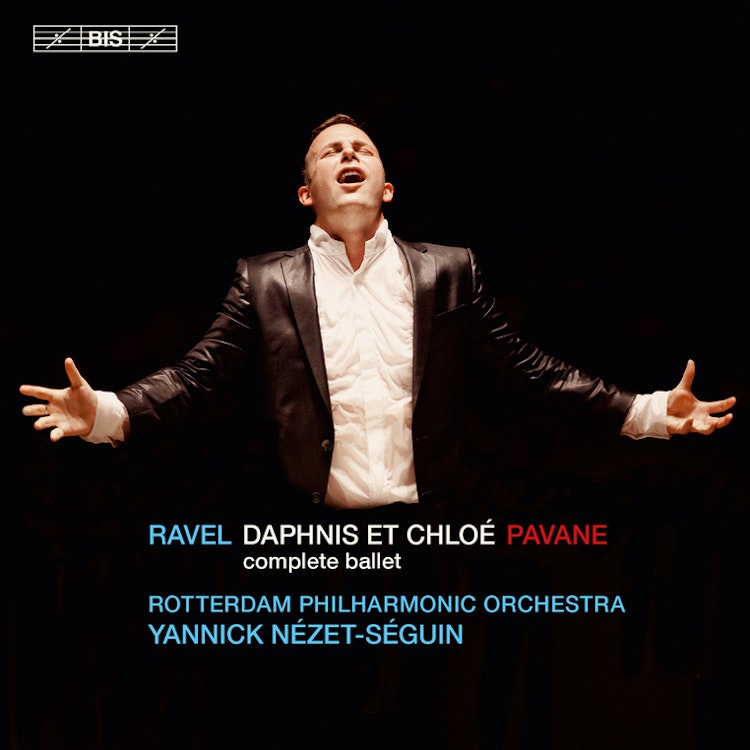
Ravel: Daphnis et Chloé & Pavane pour une infante défunte
4/7/2015, 14 Tracks, 1:03:27
Featuring
Yannick Nézet-Séguin
Groot Omroepkoor
Rotterdams Philharmonisch Orkest
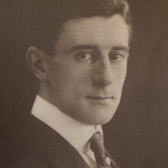
Maurice Ravel
Did you know?
1/7
Composition History
Ravel initially found the libretto for "Daphnis et Chloé," based on an ancient Greek romance by Longus, to be "thoroughly stupid."
Composition History
Maurice Ravel's ballet "Daphnis et Chloé" was commissioned by Serge Diaghilev, director of the Ballets Russes, with a scenario by Mikhail Fokin, the troupe's choreographer.
Critical Reception
The premiere of "Daphnis et Chloé" was not successful, with Ravel himself finding the work "a bit long," but it later achieved deserved success in London and Paris.
Composer's Artistic Vision
Ravel intended "Daphnis et Chloé" to be a "huge musical fresco" faithful to his dream of Greece, similar to how French artists imagined it in the late 18th century.
Compositional Technique
"Daphnis et Chloé" is Ravel's longest work, lasting about an hour, and requires a huge orchestra including triple woodwind, four trumpets, four trombones, three horns, extensive percussion, and a wordless chorus.
Composer Biography
Ravel was highly self-critical of his "Pavane pour une infante défunte," stating that its qualities were no longer visible to him and its weaknesses, like the influence of Chabrier and poor form, stood out clearly.
Historical Context
Ravel's hesitation in composing "Daphnis et Chloé" indirectly led Serge Diaghilev to commission Igor Stravinsky, then an unknown composer, for ballets like "The Firebird" and "Petrushka."
You might also enjoy...
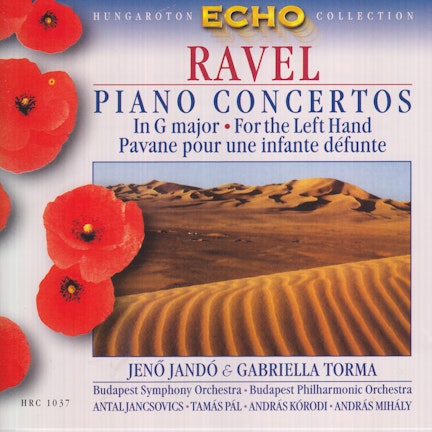
Ravel: Piano Concertos
Ravel: Piano Concertos
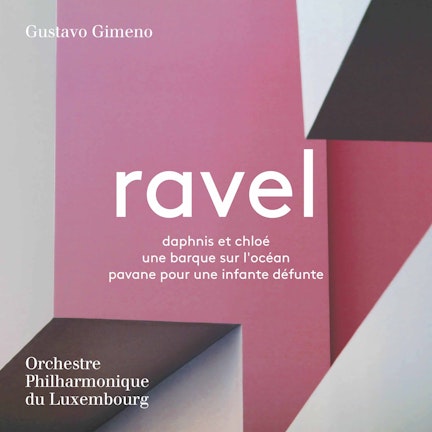
Ravel: Daphnis et Chloé, Une barque sur l'océan & Pavane pour une infante défunte
Ravel: Piano Concerto in G Major / Piano Concerto for the Left Hand / Introduction Et Allegro
Ravel: Orchestral Works, Vol. 3
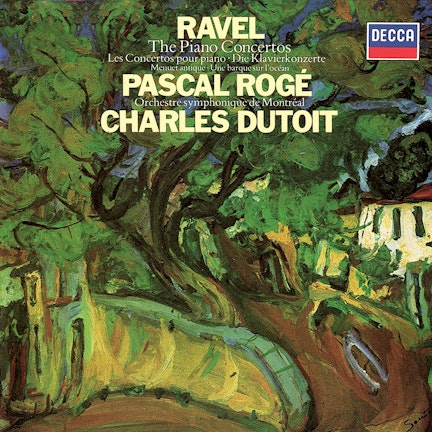
Ravel: Piano Concertos; Une barque sur l'océan; Fanfare; Menuet antique
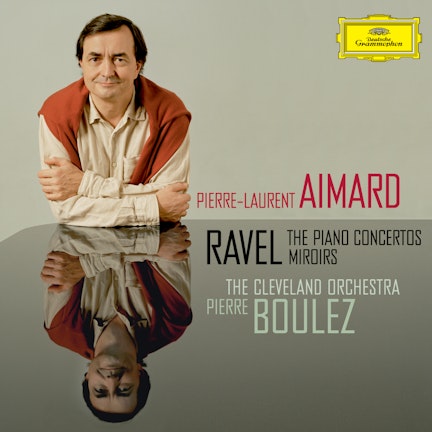
Ravel: The Piano Concertos; Miroirs
Simon Rattle Conducts Ravel
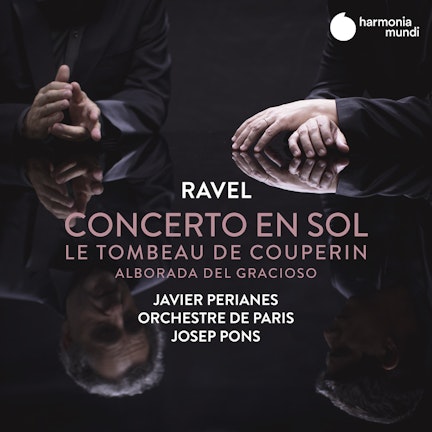
Ravel: Concerto en sol, Le Tombeau de Couperin & Alborada del gracioso