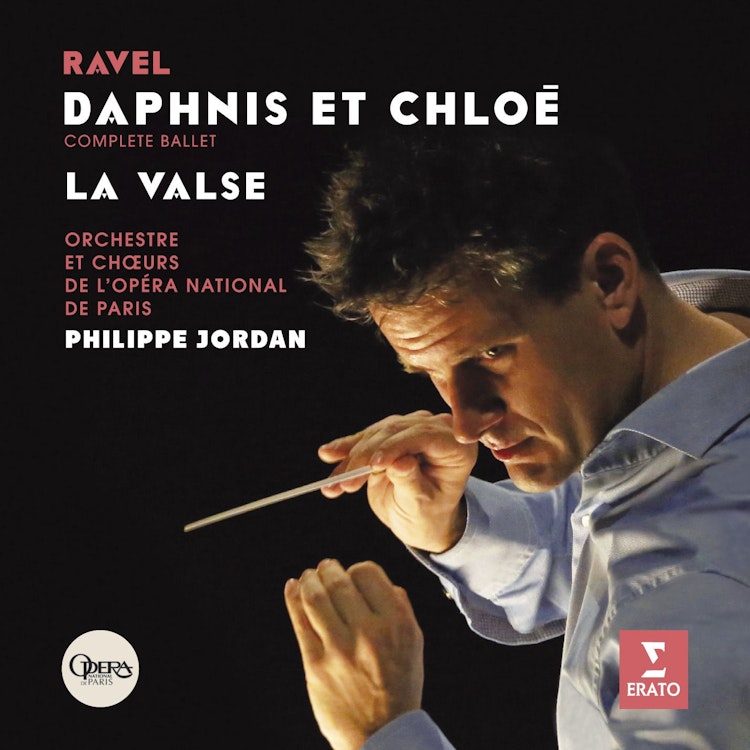
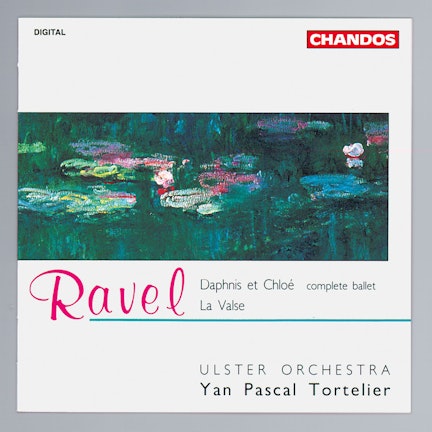
Daphnis et Chloé is a "choreographic symphony" that achieves symphonic unity through the development of a small number of motifs, replacing the traditional "numbers" of classical ballet with continuous music and action.
Composition History
The inclusion of a chorus in Daphnis et Chloé caused significant conflict between Ravel and Sergei Diaghilev, the director of the Ballets Russes, who deemed it inappropriate.
Composition History
Ravel's La Valse, composed after 1918, was intended as a tribute to Viennese waltzes, which he saw as a poignant reminder of a world lost before World War I.
Critical Reception
The premiere of the complete choreographed Daphnis et Chloé in 1912 received a modest reception from both the public and the press, with some critics dismissing it.
Composer's Artistic Vision
Ravel intended his ballet Daphnis et Chloé to be a "vast musical fresco" that evoked the Greece of his dreams, similar to how 18th-century French artists imagined it.
Composition History
The idea for the ballet Daphnis et Chloé came from choreographer Michel Fokine, who wanted to adapt the ancient Greek romance by Longus.
Compositional Technique
Ravel's Daphnis et Chloé features lavish instrumentation, including quadruple brass, expanded percussion, and an aeoliphone (wind machine), creating a rich and subtle soundscape.
You might also enjoy...
Ravel: Daphnis et Chloé & Boléro
Ravel: Orchestral Works, Vol. 4
Ravel: Daphnis et Chloé, M. 57 & La Valse, M. 72
Ravel: Ma mère l'Oye & Valses nobles et sentimentales
Ravel: Daphnis et Chloë
Ravel: La Valse, Menuet antique, Ma Mère l'Oye & Boléro
Ravel: Symphonic Works
Ravel: Bolero, La valse, Daphnis et Chloé Suite No. 2 & Alborada del gracioso
Ravel: Boléro; Pavane pour une infante défunte; La Valse; Daphnis et Chloë (2e Suite)