Many of Ravel's works exist in both piano and orchestral versions, and most lose little by being played on the piano, demonstrating the depth of his musical substance beyond orchestration.
Composer's Artistic Vision
Ravel is often associated with refined orchestral coloring, with works like Bolero and Daphnis and Chloe earning him a reputation as the symphony orchestra's foremost magician.
Compositional Technique
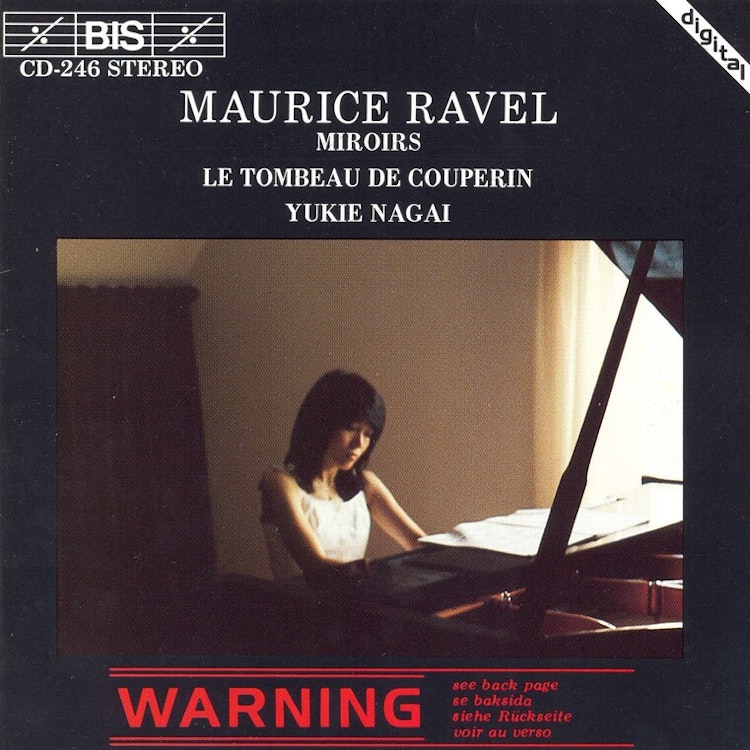
Le tombeau de Couperin contains the only example of a fugue in Ravel's entire body of work.
Composition History
Le tombeau de Couperin was Ravel's last work for solo piano, started in 1914 but interrupted by war and illness, and completed in 1917.
Composer Biography
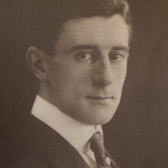
Maurice Ravel's father, Pierre-Joseph Ravel, an engineer who invented the two-stroke engine, bribed his son with a franc per hour to practice piano.
Performer Biography
Yukie Nagai, the performer on this album, won first prize at the Geneva International Piano Competition in 1977, along with a special prize for the best Debussy interpretation.
You might also enjoy...
Ravel: Gaspard de la nuit, Miroirs, Sonatine, Valses
Ravel: Piano Music
Ravel: Piano Works
The Complete Works of Ravel, Vol. 1
Ravel:Piano Works
Ravel: Piano Works, Vol. 2
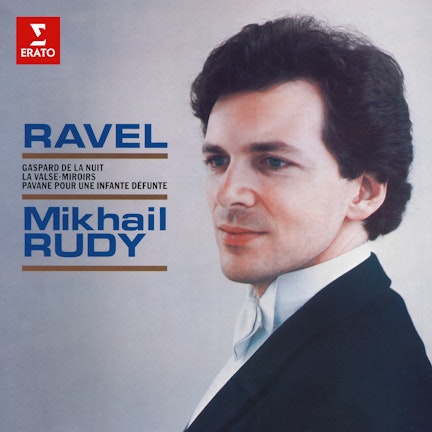
Ravel: Gaspard de la nuit, La valse, Miroirs & Pavane pour une infante défunte
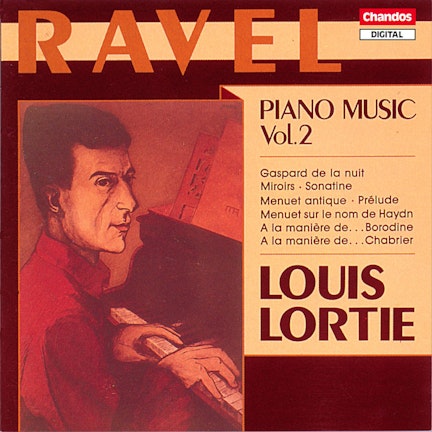
Ravel: Piano Music, Vol. 2
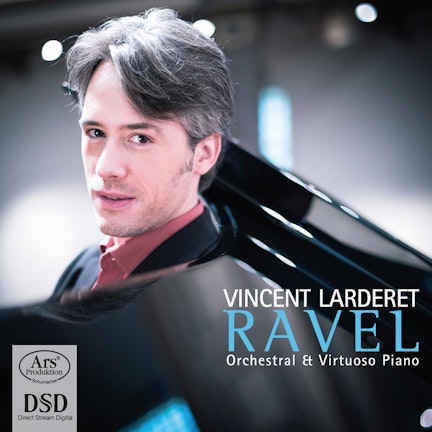
Ravel: Orchestral & Virtuoso Piano
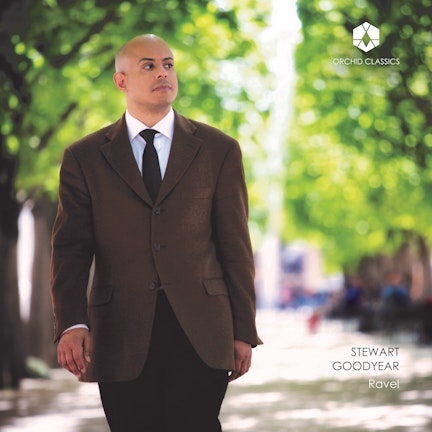
Ravel: Piano Music
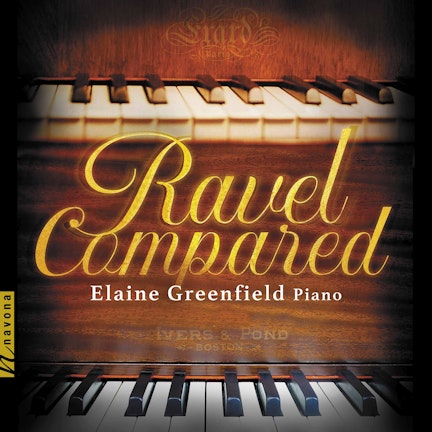
Ravel Compared
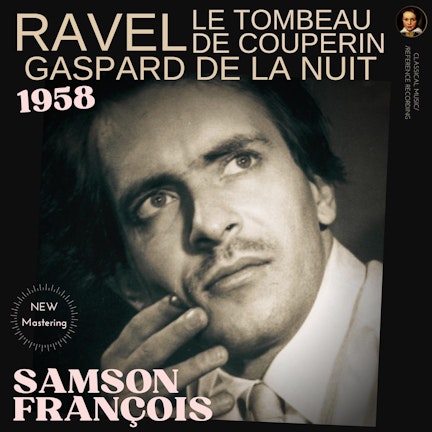
Ravel: Gaspard de la Nuit, Le Tombeau de Couperin by Samson François