Despite Ravel's immaculate writing, some contemporary critics, like The Times in 1924, described his work as 'clever, but very small, things within a limited scope' with 'almost reptilian cold-bloodedness'.
Recording & Production
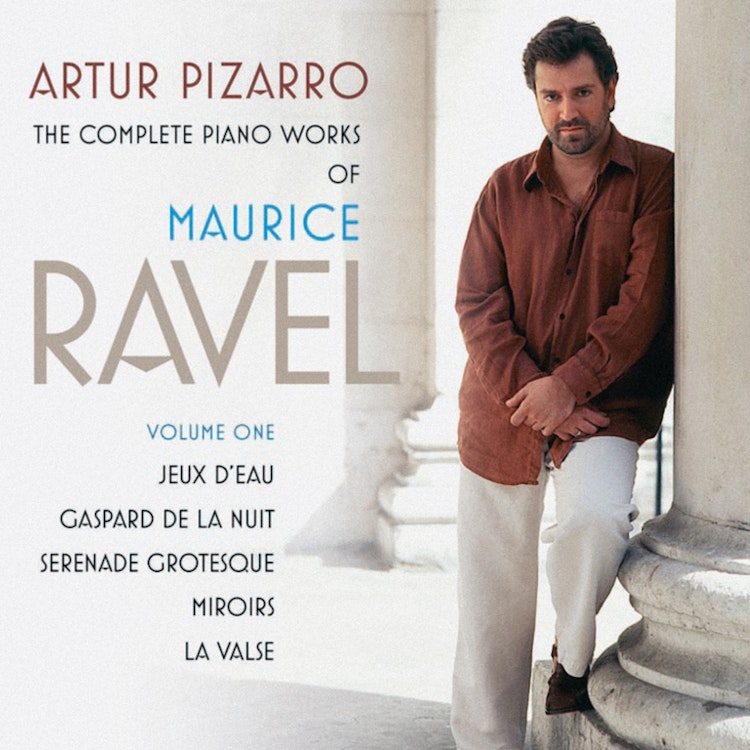
This album was recorded in Lisbon, Portugal, in September 2006, and features a Hamburg Steinway D piano prepared by Nigel Polmaer.
Performer Biography
Artur Pizarro's piano education connects him to both German and French piano schools, as his teacher Sequeira Costa was a student of figures like Vianna da Motta and Marguerite Long.
Composer's Artistic Vision
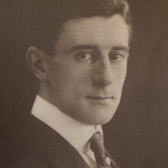
Ravel, whom Stravinsky called 'the Swiss watchmaker', was a self-professed perfectionist on a quest for 'l'objet juste' – an objective representation without intimate involvement.
Performer Biography
Artur Pizarro, the pianist on this album, was introduced to the piano by his maternal grandmother and her piano-duo partner, who had been a student of Ricardo Viñes, a friend and colleague of Ravel.
Compositional Technique
Ravel's Gaspard de la nuit, a set of 'three romantic poems of transcendental virtuosity', was so demanding that musicians at a 1920s performance questioned if all the right notes were being played in 'Scarbo'.
Composition History
Ravel's 'Apaches' were a group of like-minded friends and artists, including poets and composers, whose nickname was coined by pianist Ricardo Viñes, Ravel's friend and colleague.
You might also enjoy...
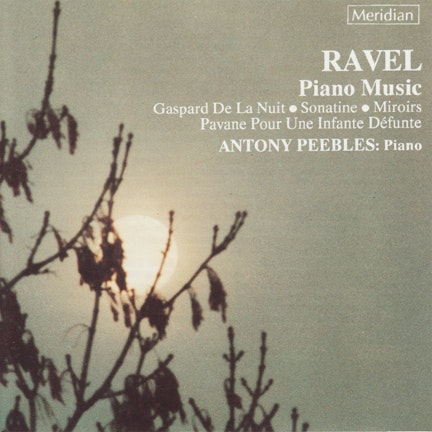
Ravel: Piano Music
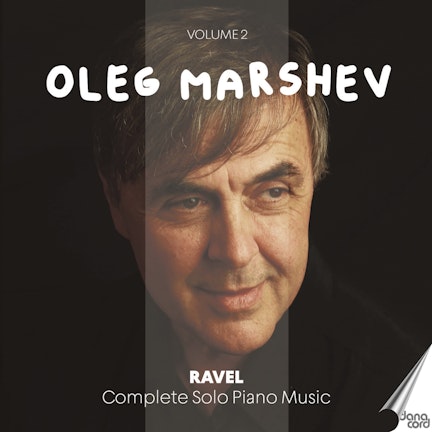
Ravel: Complete Solo Piano Music, Vol. 2
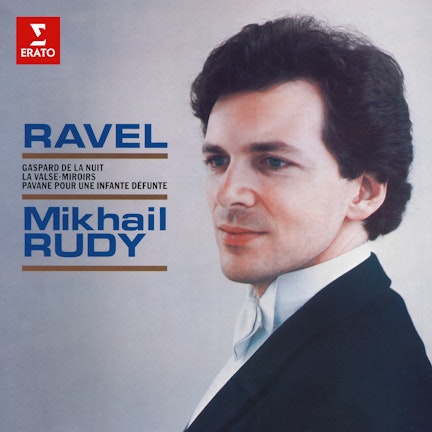
Ravel: Gaspard de la nuit, La valse, Miroirs & Pavane pour une infante défunte
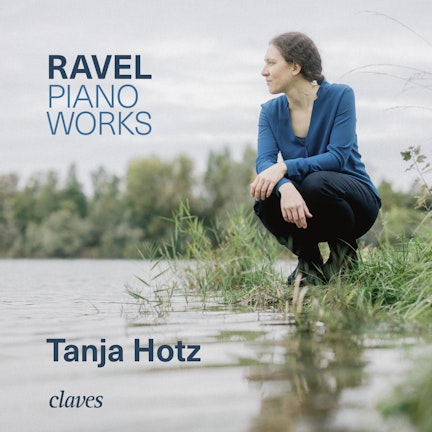
Ravel: Piano Works
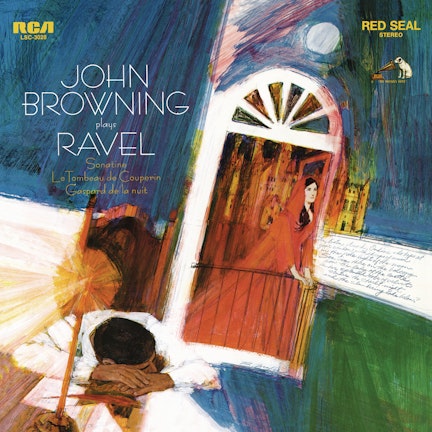
Ravel: Sonatine, M. 40 & Le tombeau de Couperin, M. 68 & Gaspard de la nuit, M. 55
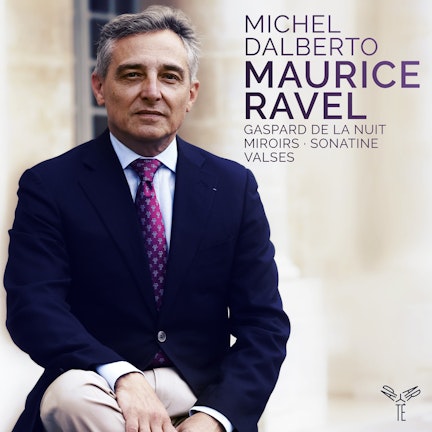
Ravel: Gaspard de la nuit, Miroirs, Sonatine, Valses