Francis Poulenc's La Dame de Monte-Carlo captures the protagonist's mood swings through his characteristically sparse textures and beautiful harmonies.
Composer Biography
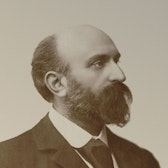
Henri Duparc, who set Mignon's song, was a neurasthenic, an 'addict of feeling', and left only thirteen songs.
Composer Biography
Hugo Wolf's Mignon settings reflect his tortured self, which eventually degenerated into syphilitic insanity.
Album & Artwork
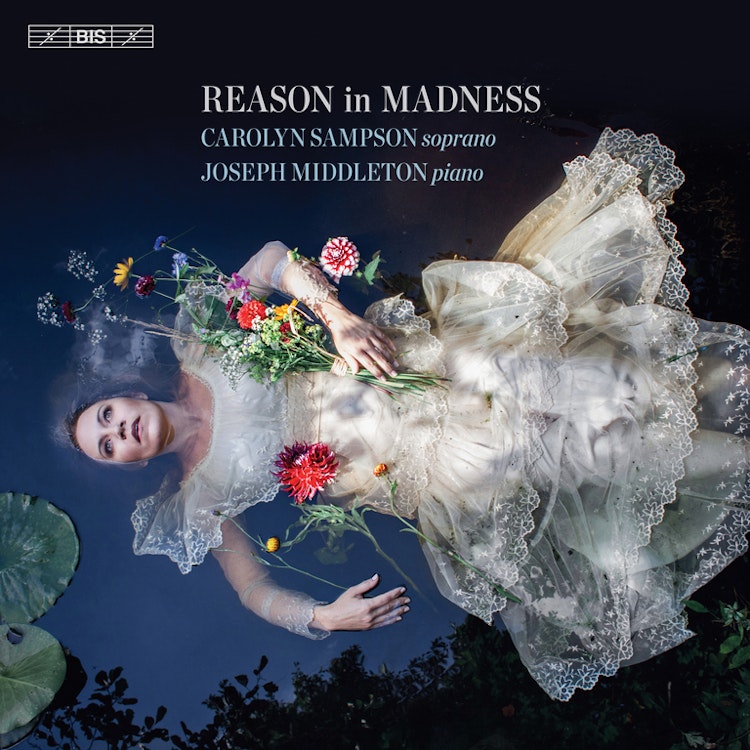
The album explores various presentations of female madness, moving between 16th-century England, 19th-century Germany, and 20th-century France.
Historical Context
The fin de siècle period saw the birth of psychoanalysis and a growing interest in female madness, which had been a dramatic theme since Aeschylus's Agamemnon.
Composition History
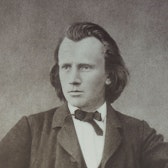
Johannes Brahms composed his Ophelia songs for the actress Olga Precheisen, intending them as a learning aid, and they remained unpublished until 1935.
Composer Biography
Pierre Louÿs's 1894 Bilitis poems, set by Charles Kœchlin and Claude Debussy, were a hoax; he claimed they were ancient Greek verses but based them on his own sexual adventures.
You might also enjoy...
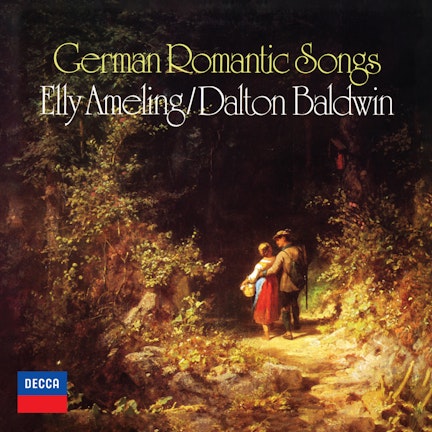
German Romantic Songs
Verwandlung
Clara Schumann: Lieder
Strauss, Schumann, Mahler, Schubert, Mendelssohn & Wolf: Vocal Recital