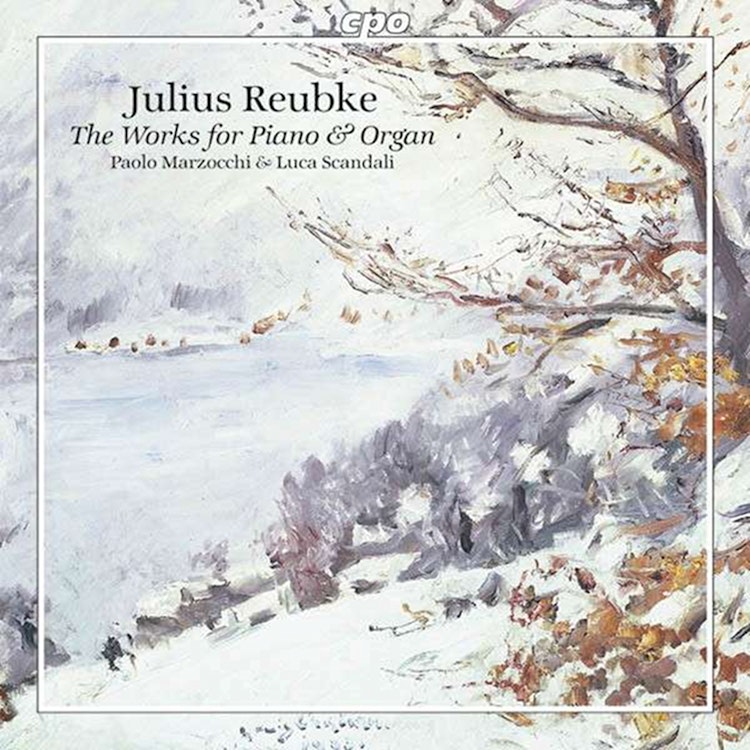
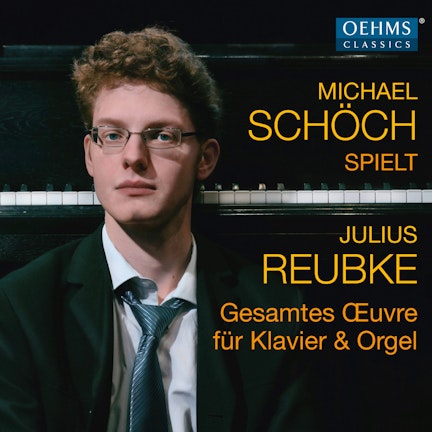
The treatment of themes and development in Julius Reubke's sonatas is notably close to Anton Bruckner, as both composers were organists and treated orchestral writing with an 'organ-like' approach.
Recording & Production
The Adagio in E minor for organ on this album is a world premiere recording.
Compositional Technique
Julius Reubke's Piano Sonata, composed in 1856, is likely the first one-movement sonata explicitly inspired by Franz Liszt's revolutionary B minor Sonata.
Composer Biography
Julius Reubke died at the young age of 24 from tuberculosis, having suffered from a lung infection for some time.
Instruments
The organ used for this recording, located in the Schwerin Cathedral, was built in 1871 by Friedrich Ladegast, a renowned German organ builder of the 19th century.
Composer's Artistic Vision
Julius Reubke, the composer, stated his intention to speak through his works alone, believing that the main thing was to create works that could withstand any criticism.
Composer Biography
Julius Reubke, the composer, was the eldest son of Adolf Reubke, one of the most important 19th-century German organ and piano makers.