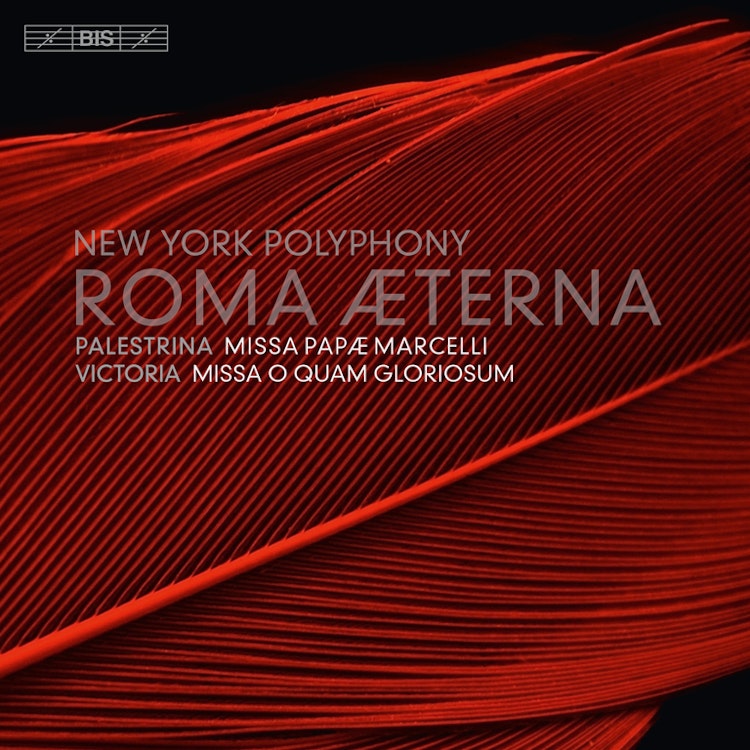
During the Renaissance, Rome, the 'Eternal City', attracted ambitious artists from abroad while also serving as a bastion of conservatism.
Composer Biography
Francisco Guerrero, a Spanish contemporary of Palestrina and Victoria, was widely known for his music in Europe and Latin America, and his Marian antiphon Regina cæli was published four times during his lifetime.
Compositional Technique
The Missa Papæ Marcelli is renowned for its memorable fusion of simplicity and clarity, ensuring the intelligibility of the Mass text while maintaining melodic, harmonic, and rhythmic refinement.
Composition History
Palestrina's Missa Papæ Marcelli is his best-known work, and its composition date was long debated, with some believing it saved ecclesiastical polyphony from being banned by the Council of Trent.
Performer Biography
New York Polyphony, praised for its 'rich, natural sound,' is considered one of the finest vocal chamber ensembles globally, known for innovative programming and bringing early music into the classical mainstream.
Composer's Artistic Vision
Renaissance musicians in Rome, unlike poets or artists, initially had exceptional freedom to embrace foreign styles because they lacked ancient models for inspiration.
Composer Biography
Tomás Luis de Victoria, considered the most outstanding Spanish composer of his era, studied in Rome under the patronage of Philip II and succeeded Palestrina as chapel master of the Roman Seminary.
You might also enjoy...
Renaissance - Music for Inner Peace
Renaissance Radio
Utopia Triumphans: The Great Polyphony of the Renaissance
Requiem: Music for All Saints & All Souls
Choral Recital: Monteverdi Choir - Morales / Victoria, T.L. / Clements Non Papa / Mouton (Pilgrimage To Santiago)
Requiem: Music for All Saints & All Souls
Power / Dunstaple: Masses and Motets
Sacred Music Of The Renaissance
The Flowering of Genius
Allegri: Miserere; Tallis: Lamentations of Jeremiah & other Renaissance Masterpieces
Allegri: Miserere
Utopia Triumphans - The Great Polyphony of the Renaissance
Utopia Triumphans - The Great Polyphony of the Renaissance