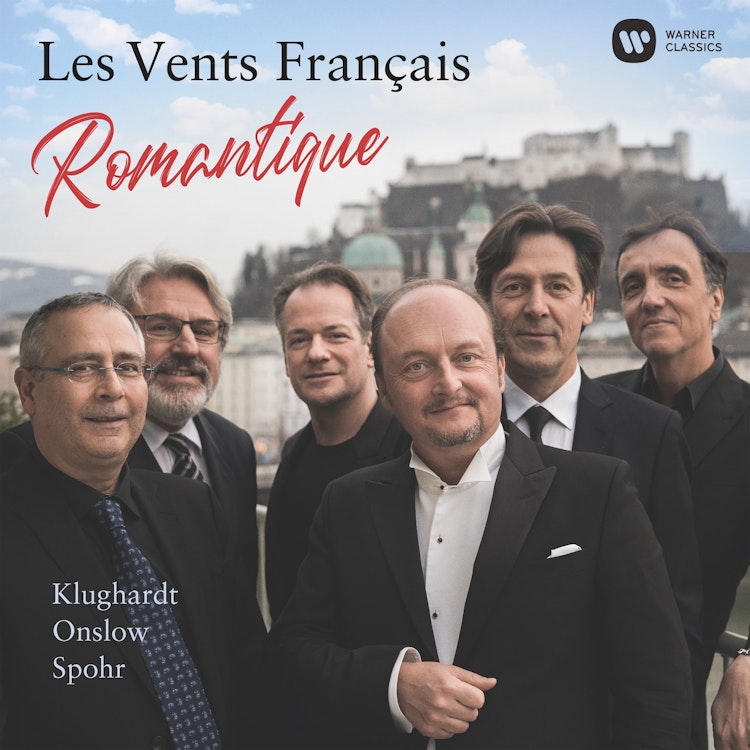
The Romantic era is not well renowned for its music for wind instruments, but this album from the quintet Les Vents Français demonstrates that several 19th-century composers nonetheless wrote striking chamber music works for winds. August Klughardt and George Onslow’s Wind Quintets are presented alongside the Quintet for Piano and Winds by Louis Spohr, with Eric Le Sage on piano.
Featuring
Éric Le Sage
Les Vents Français
August Klughardt
George Onslow
Louis Spohr
Did you know?
1/7
Composer Biography
Louis Spohr, a composer whose music often looked toward the future, was an active participant in the rediscovery of Bach and early music, and an admirer of Wagner.
Composition History
Spohr's Quintet Op. 52 was the first work where he gave the piano a dominant role, as his wife, a harpist, transitioned to a career as a pianist.
Critical Reception
Chopin, after performing Spohr's Quintet Op. 52, declared it magnificent but awkwardly written for the piano, making some fingerings impossible.
Compositional Technique
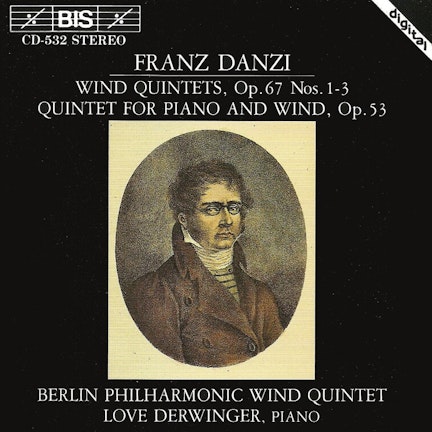
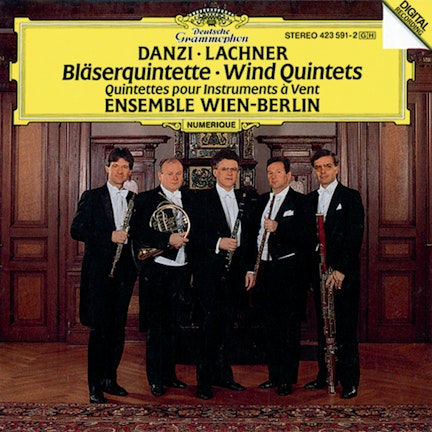
The wind quintet as a genre was a recent innovation, brilliantly exemplified by Anton Reicha and Franz Danzi up until the mid-1820s.
Historical Context
The 19th century is not typically considered a golden age for wind instruments, as their standing was less significant than strings or piano.
Composer Biography
George Onslow, known as 'the French Beethoven,' only began composing at age 22 after hearing a piece by Méhul, despite studying piano with virtuosos.
Notable Performances
Onslow's Wind Quintet in F Op. 81 was the piece that heralded his rediscovery when the French Wind Quintet performed and recorded it for the first time in 1953.
You might also enjoy...
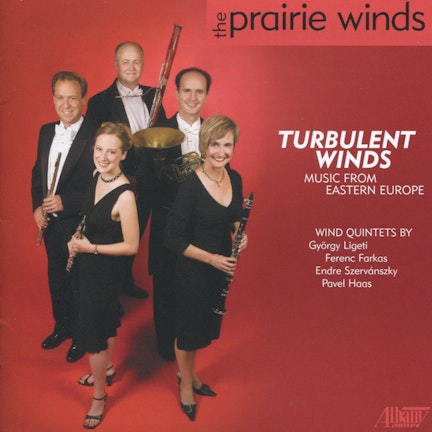
Turbulent Winds: Music from Eastern Europe
Ibert: Trois pièces brèves; Janáček: Mládi; Hindermith: Kleine Kammermusik, Op. 24, No. 2; Ligeti: Ten Pieces for Wind Quintet (New Vienna Octet; Vienna Wind Soloists — Complete Decca Recordings Vol. 10)