Luigi Rossi, born around 1597 in southern Italy, studied in Naples and later served the Borghese family and Cardinal Antonio Barberini in Rome.
Historical Context
In Rossi's time, the Italian word 'oratorio' referred to a prayer hall, a spiritual exercise held there, and by the 1640s, to the musical compositions performed during these exercises.
Instruments
A notable instrument used in these oratorios is the lirone, or lira da gamba, a bowed string instrument with an organ-like sound considered appropriate for texts of deep pathos.
Composer Biography
Rossi made two trips to Paris (1646-47 and 1648-49) at the invitation of Cardinal Jules Mazarin, where he worked as a composer and performer at the French court.
Critical Reception
Rossi was widely recognized in his time as one of the best Italian composers of vocal music, particularly noted for his approximately 300 secular cantatas.
Composition History
The oratorios on this recording, Un peccator pentito and O cecità, are attributed to Rossi by modern scholars based on circumstantial and stylistic evidence, as their manuscript sources are anonymous.
Composer Biography
Rossi was organist of the French church in Rome, San Luigi dei Francesi, from 1633 until his death, holding this position concurrently with others.
You might also enjoy...
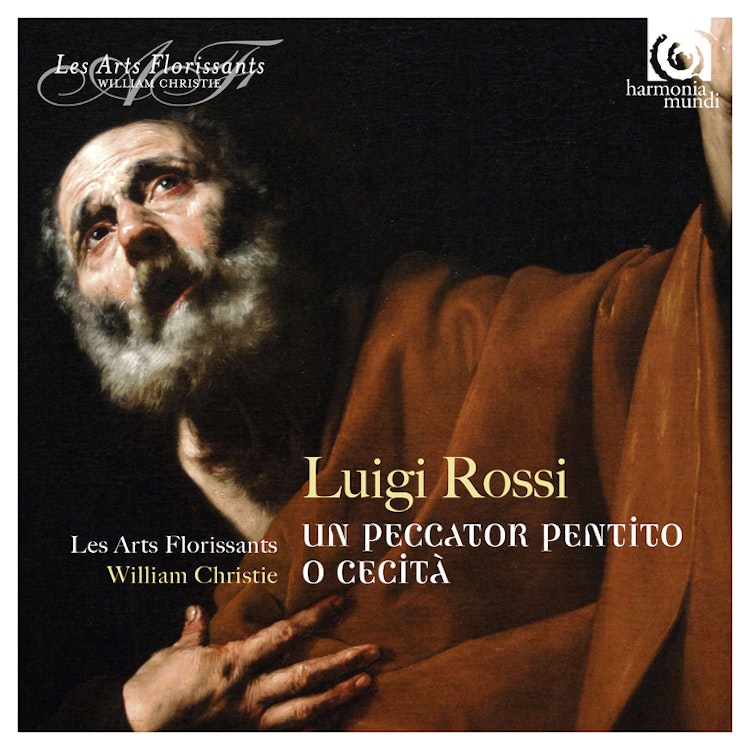
Rossi: Oratorios
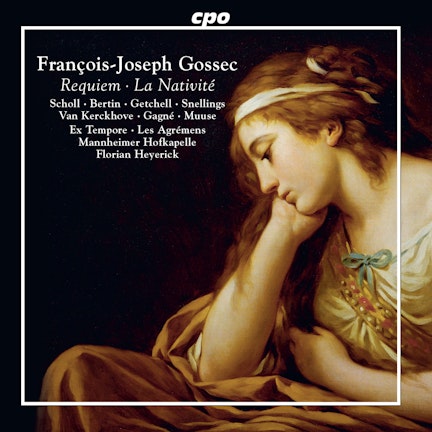
Gossec: La nativité, Messe des morts & Christe Redemptor
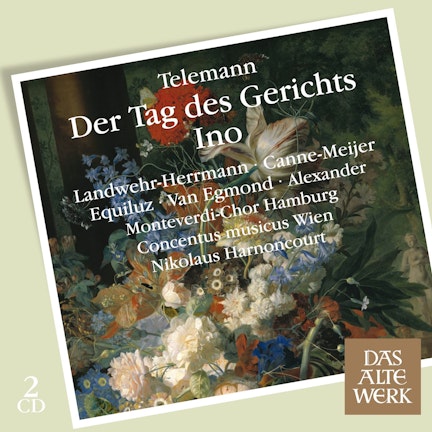
Telemann : Der Tag des Gerichts [The Day of Judgement], Ino