Rued Langgaard's father, Siegfried Langgaard, was a composer and pianist who had studied with Franz Liszt in the 1870s.
Composition History
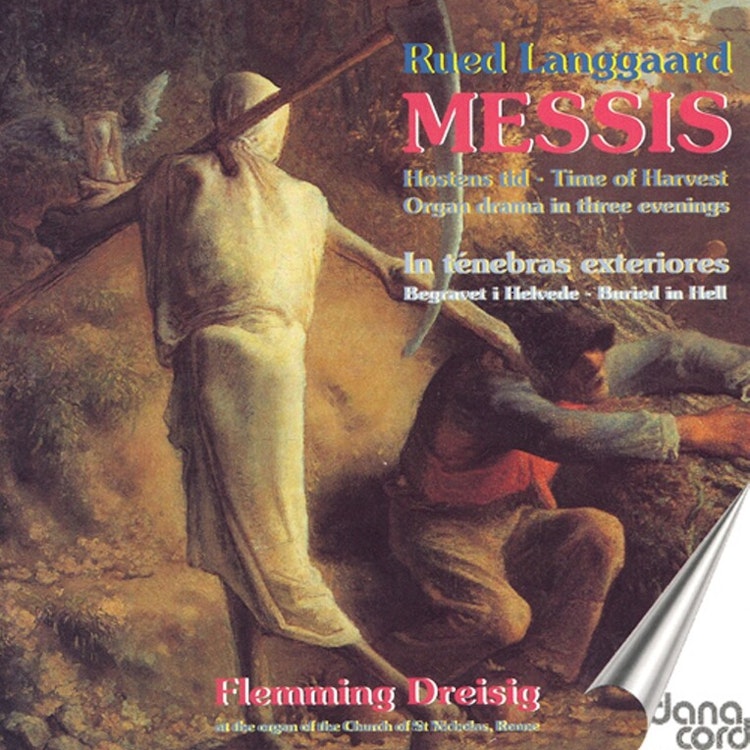
Rued Langgaard composed his great organ work Messis between 1932 and 1937, intending it as an "Organ drama in three evenings" depicting the end of the world and the Second Coming.
Critical Reception
The premiere of the first evening of Messis in 1936 was met with merciless reviews, with critics calling the music "hideous" and a "peculiar berserk fury."
Composer Biography
At his first organ concert in 1905, Rued Langgaard's talent for improvisation was noted by the Norwegian composer Edward Grieg, who encouraged his musical career.
Composer Biography
Rued Langgaard, a highly gifted musician, was unable to adjust to the times in which he lived, making him one of the most extraordinary figures in Danish music.
Recording & Production
The album features the organ of St. Nicholas Church, Rønne, which was originally built in 1961 and later rebuilt, extended, and modified in 1990 and 1996.
Composer's Artistic Vision
Rued Langgaard's later works were absorbed by religious themes, particularly dualisms like "the triumph of evil over good" and "the battle between Satan and God."
You might also enjoy...
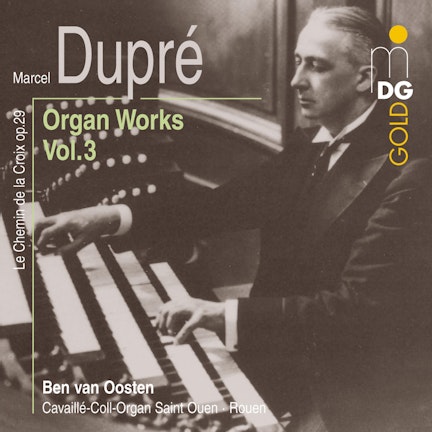
Dupré: Complete Organ Works Vol. 3
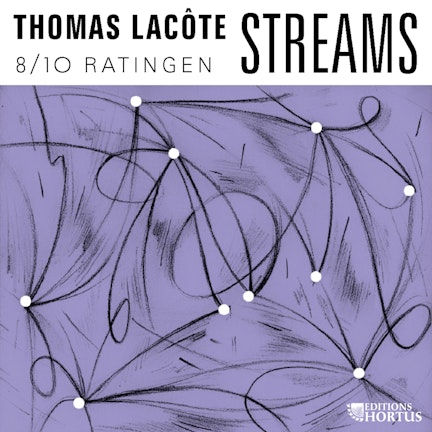
Thomas Lacôte: Streams 8/10 – Improvisations Orgue de l'église Saint Pierre & Paul, Ratingen (2024)