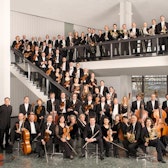
Deutsche Radio Philharmonie Saarbrücken Kaiserslautern
NDR Chor
Did you know?
1/7
Composition History
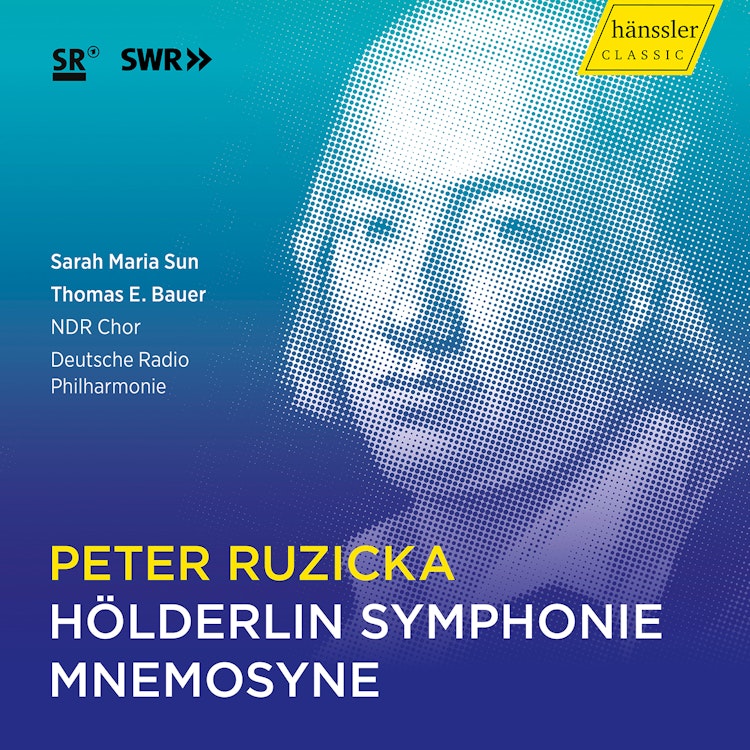
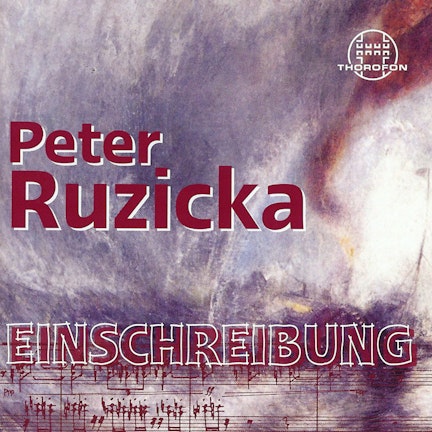
Peter Ruzicka's opera HÖLDERLIN, which premiered in Berlin in 2008, is central to a group of his works, some of which lead up to it, some are incorporated into it, and others, like the works on this album, emanate from it.
Composition History
The chamber cantata MNEMOSYNE is based on a hymn by Friedrich Hölderlin, a German lyric poet, written shortly before his admission to a clinic, and exists in multiple versions.
Compositional Technique
In the HÖLDERLIN Symphony, the human voice is symbolically resolved into a 'Canto,' a long instrumental melody, representing the reclamation of singing as the voice of humanity.
Composer's Artistic Vision
Composer Peter Ruzicka believes that Hölderlin's philosophy acts as a 'mental compass' for humanity's eternal longing for unity with oneself, nature, and the world.
Compositional Technique
The HÖLDERLIN Symphony is a concentrated version of Ruzicka's opera HÖLDERLIN, comparable to the vocal symphonies of Gustav Mahler and Alexander Zemlinsky.
Compositional Technique
In MNEMOSYNE, Ruzicka combines two versions of Hölderlin's text: the early draft is used in the first four movements, and the later 'reset' version is used in the last four movements.
Composer Biography
Peter Ruzicka, the composer, studied composition with Hans Werner Henze and Hans Otte, and also pursued studies in jurisprudence and musicology.
You might also enjoy...
Jesper Nordin: Emerging from Currents and Waves (Live)