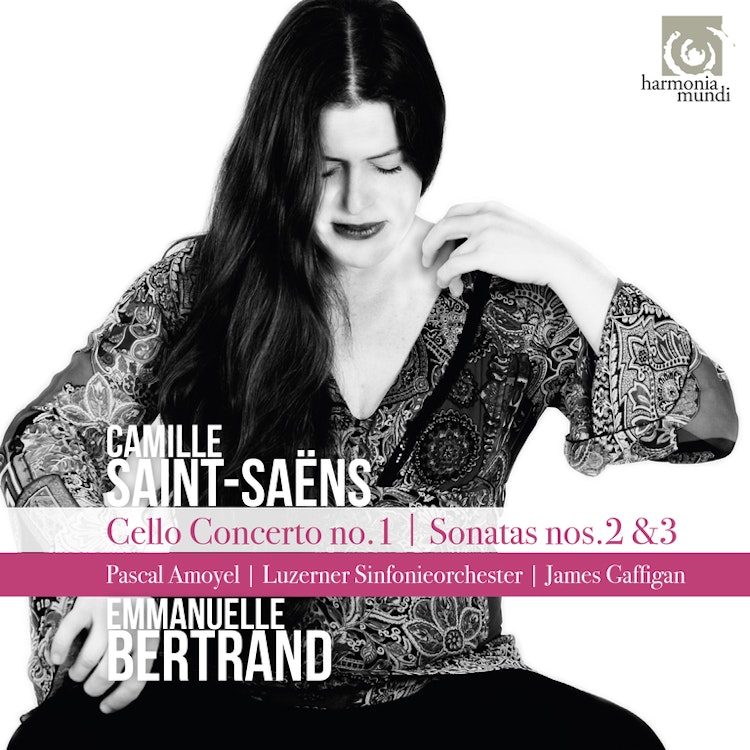
Saint-Saëns composed his Second Cello Sonata in response to requests from prominent cellists like Joseph Hollman, who desired more works after the success of his First Concerto and Sonata.
Compositional Technique
Although Saint-Saëns's First Cello Concerto is played without breaks, it follows a Classical three-movement structure and features a recurring main theme across all movements for formal unity.
Composition History
The idea for Saint-Saëns's First Cello Concerto likely arose from his concerts with Auguste Tolbecque, a principal cellist and professor at the Conservatoire de Marseille, to whom the work is dedicated.
Composer's Artistic Vision
Saint-Saëns considered his Second Cello Sonata an 'original and complex work' and believed himself to be the only composer who could effectively use the whole-tone scale musically.
Composer Biography
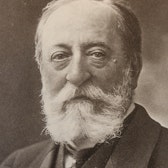
Camille Saint-Saëns wrote more works for cello than almost any other French composer of his generation, including two concertos and three sonatas.
Composition History
Saint-Saëns's Third Cello Sonata remained unfinished, with only the first two movements surviving from the manuscript.
Critical Reception
Saint-Saëns's First Cello Concerto was premiered in 1873 and, despite some reservations from critics, was immediately well-received and has been continuously successful since its creation.