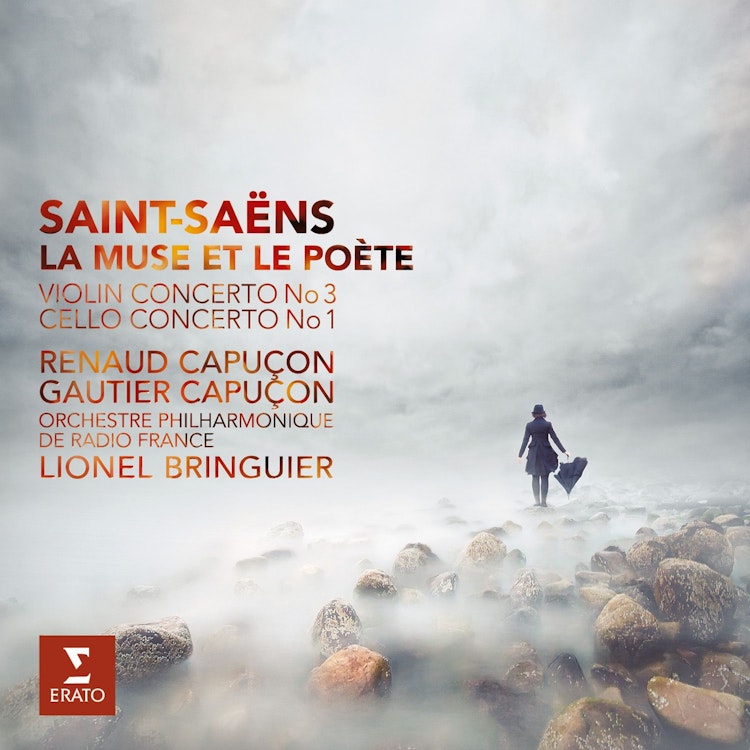
Saint-Saëns composed La Muse et le Poète while traveling in Egypt, specifically Luxor, during a period of declining health in late 1909.
Compositional Technique
Saint-Saëns' Cello Concerto No. 1 is structured in three movements that follow each other without interruption, creating the effect of a single, unified sonata-allegro.
Composer Biography
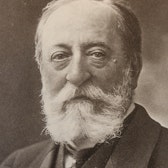
Camille Saint-Saëns, though a piano prodigy, developed a profound knowledge and feeling for the potential range of other instruments.
Composition History
The Cello Concerto No. 1 was written during Saint-Saëns' creative prime, a period when he produced many significant and inventive works, including those with exotic touches.
Composer's Artistic Vision
Saint-Saëns considered virtuosity an intrinsic part of music and consistently wrote virtuoso works for violin and cello throughout his career.
Composition History
The Violin Concerto No. 3 was written for the virtuoso violinist Pablo de Sarasate, whose pure tone and remarkable style had captivated Saint-Saëns.
Historical Context
Before Saint-Saëns, few important composers had written for solo cello, as the instrument had not yet gained the same prestige as the piano or violin during the Romantic era.
You might also enjoy...
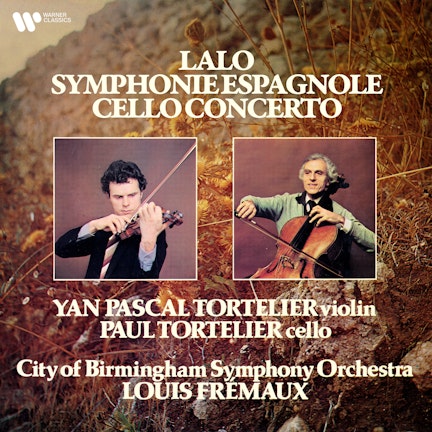
Lalo : Symphonie espagnole & Concerto pour violoncelle
Lalo : Symphonie espagnole & Cello Concerto
Gaubert: Orchestral Works, Vol. 3
Shostakovich: Overture To Dressel's Der Arme Columbus / 8 Preludes (Arr. for Orchestra)