Tchaikovsky believed Saint-Saëns would "never write a great dramatic work," a view widely accepted in French circles for many years.
Cultural Impact
Samson et Dalila became the most popular offering at the Opéra in Paris after Faust and Rigoletto, with over 950 performances by 1976.
Compositional Technique
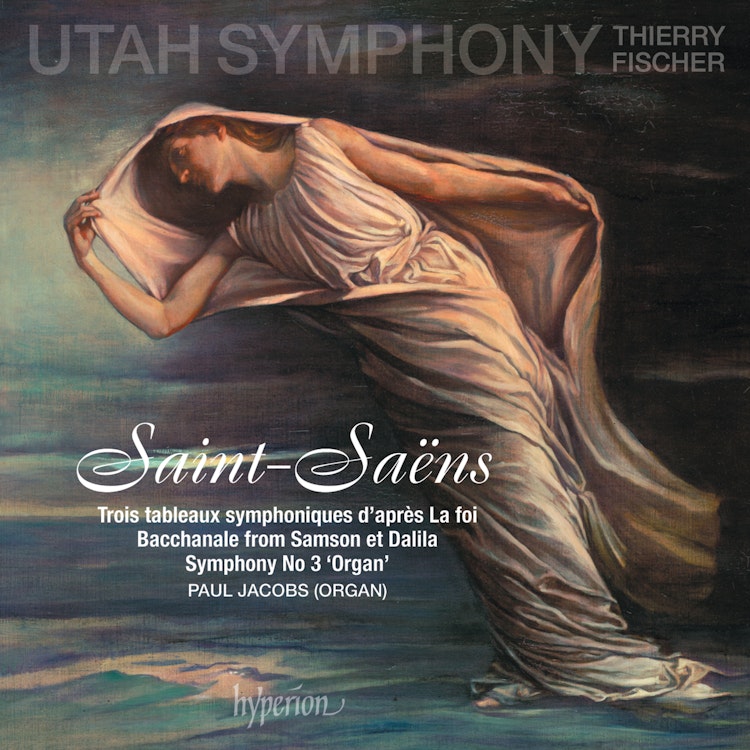
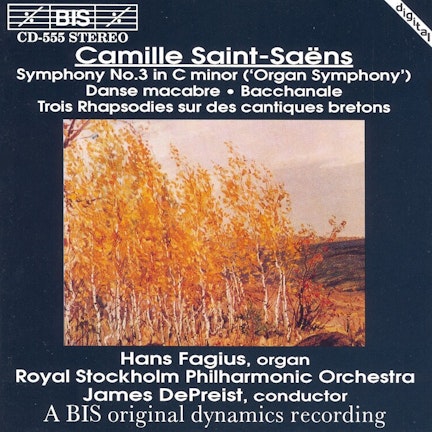
The 'Organ' Symphony incorporates Lisztian techniques such as the inclusion of an organ part, frequent rising sequences for tension, and the transformation of a motto theme.
Composer Biography
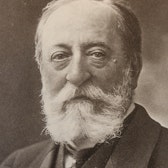
Saint-Saëns was considered a forward-looking teacher by Berlioz and Liszt, who introduced his pupil Fauré to the works of Schumann, Wagner, and Liszt.
Composition History
Saint-Saëns dedicated his Symphony No. 3, known as the 'Organ' Symphony, to the memory of Franz Liszt, who had been a staunch supporter.
Notable Performances
Saint-Saëns's opera Samson et Dalila premiered in Weimar, Germany, in 1877, due to a promise from Liszt, and was rapturously received.
Composition History
Saint-Saëns composed incidental music for Eugène Brieux's play La foi, which allowed him to test tunes collected during his travels in Egypt.
You might also enjoy...
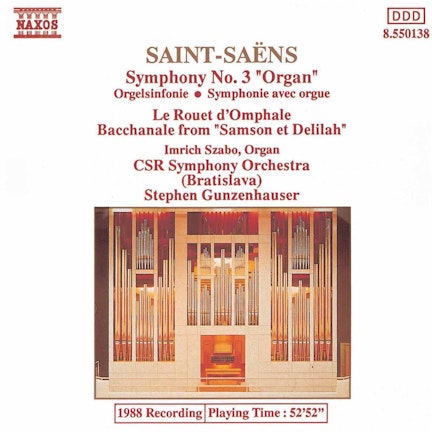
Saint-Saens: Symphony No. 3 / Le Rouet D'Omphale
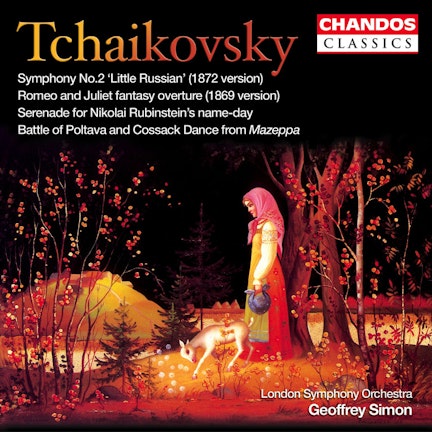
Tchaikovsky: Symphony No. 2 / Serenade for Nikolai Rubinstein's Name-Day / Mazeppa (Excerpts)
Karajan 1980s
d'Indy: Orchestral Works, Vol. 2
Tchaikovsky, Prokofiev & Shostakovich: Orchestral Works