Saint-Saëns was heavily influenced by Franz Liszt's forward-looking musical ideas, including experimental forms, harmonies, and the concept of progressive theme transformation.
Critical Reception
Early symphonic poems by Saint-Saëns, like Le rouet d'Omphale and Phaéton, were met with considerable reserve and even outright rejection by the public and press.
Recording & Production
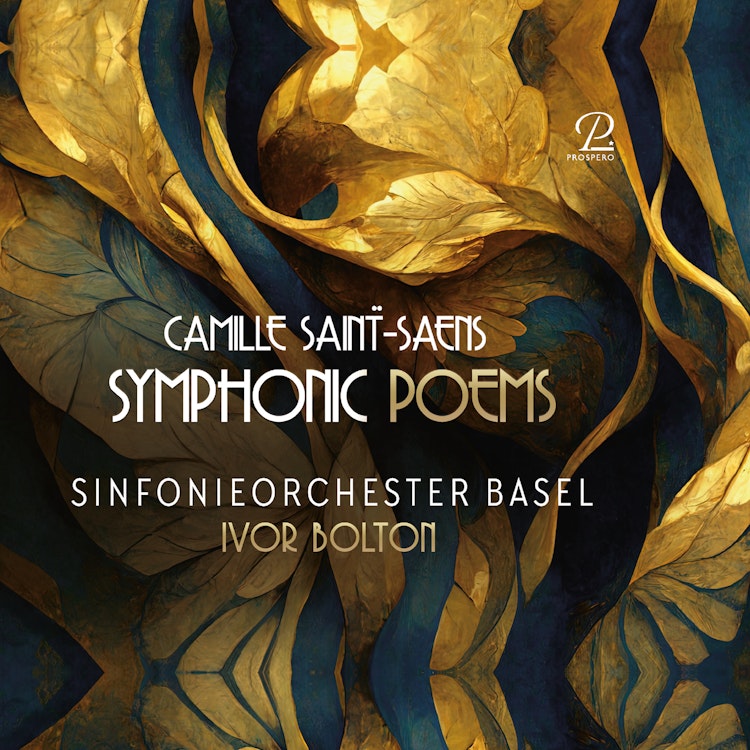
This recording of Saint-Saëns's four symphonic poems is based on a new critical edition published in 2019 by Hugh Macdonald as part of the complete instrumental works.
Composer Biography
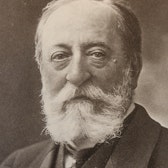
Before writing his first symphonic poem, Saint-Saëns had already composed four symphonies, three piano concertos, and two violin concertos, earning him a reputation as a 'prickly innovator'.
Compositional Technique
The Danse macabre by Saint-Saëns features a violin retuned to g-d-a-e-flat and the first-ever use of a xylophone in Western music, which caused a sensation.
Composition History
The Bacchanale from Saint-Saëns's opera Samson et Dalila owes its premiere to Franz Liszt, who organized it in Weimar after the opera had been repeatedly rejected in France.
Composition History
Camille Saint-Saëns's four symphonic poems, including those on this album, were written in the 1870s, following in the footsteps of his mentor Franz Liszt.
You might also enjoy...
Stravinsky: Petrushka - Liadov: Baba Yaga - The Enchanted Lake - Kikimora
Rabaud: La procession nocturne, Divertissement sur des chansons russes, Églogue & Danses de Mârouf, savetier du Caire
Tchaikovsky: Romeo and Juliet / Smetana: Vltava / Mussorgsky: A Night On The Bare Mountain / Glinka: Russlan & Ludmilla Overture
The Enchanted Kingdom
Ligeti : Project Vol.2 - Lontano, Atmosphères, Apparitions, San Francisco Polyphony & Concert Românesc
Rachmaninov: Isle of the Dead (The) / Prince Rostislav / Capriccio On Gypsy Themes / the Rock
Danse Macabre
Sowerby: Tone Poems
Liszt: Les Préludes - Tasso - Orpheus
Rimsky-Korsakov: Scheherazade / Stravinsky: Song of the Nightingale
Strauss, Richard: Ein Heldenleben
RIMSKY-KORSAKOV, N.: Scheherazade - Uppsala Chamber Orchestra