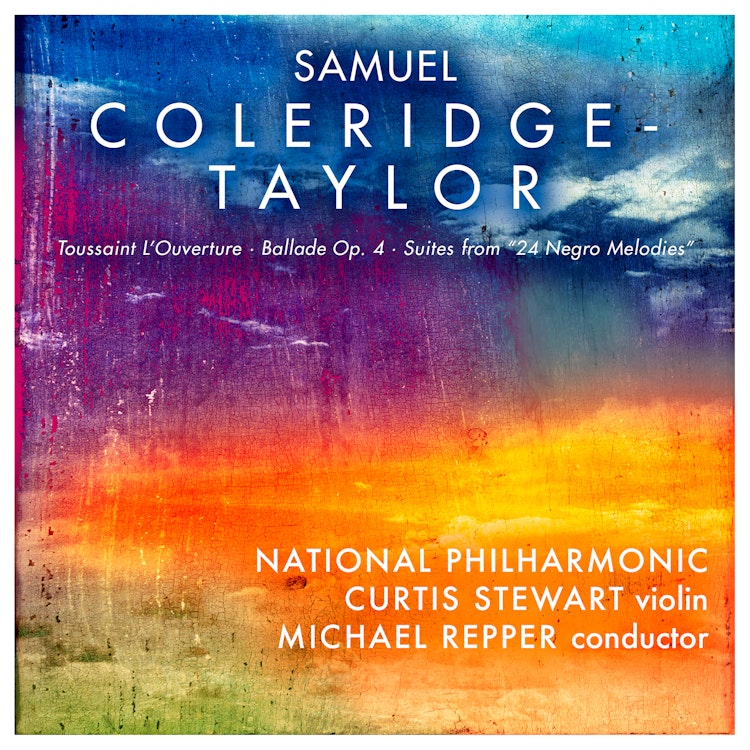
Samuel Coleridge-Taylor: Toussaint L’Ouverture, Op. 46 - Ballade Op. 4 - Suites from “24 Negro Melodies”
8/1/2025, 10 Tracks, 1:06:39
Featuring
Michael Repper
Curtis Stewart
National Philharmonic
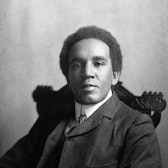
Samuel Coleridge-Taylor
Did you know?
1/7
Historical Context
Coleridge-Taylor was the youngest attendee at the first Pan-African Congress held in London in July 1900.
Composer Biography
Samuel Coleridge-Taylor, born in London in 1875, was given a quarter-size violin at age five and showed a "startling natural aptitude" for the instrument.
Composer's Artistic Vision
From 1896, Coleridge-Taylor's music was increasingly influenced by his African heritage, particularly after being moved by the spirituals of the Fisk Jubilee Singers, an African American a cappella ensemble.
Composer's Artistic Vision
In his foreword to the 24 Negro Melodies, Coleridge-Taylor stated his aim was to do for these melodies what Brahms, Dvořák, and Grieg did for their respective folk musics.
Recording & Production
This album features the first commercial studio recording of these works, and for some pieces, the first performance in over 100 years.
Composer Biography
Coleridge-Taylor's talent was sponsored by Colonel Herbert Walters, who enabled his entry to the Royal College of Music in 1890 as a violin student.
Composition History
Coleridge-Taylor's 24 Negro Melodies, published in 1905, were commissioned by William Arms Fisher, a former student of Antonín Dvořák.