Scarlatti's music is noted for its exploration of modulations and new tonal paths, which the performer Pierre Hantaï believes is incomparable to his contemporaries.
Composer Biography
Scarlatti spent his later life in Spain, settling permanently in Seville and then Madrid after following Princess Maria Barbara of Portugal, whose musical education he was in charge of.
Composition History
Scarlatti published 30 'sonatas' for harpsichord, known as the Essercizi per gravicembalo, in London in 1738.
Recording & Production
The harpsichords used for this recording include a 1999 Jürgen Ammer instrument, modeled after a 1720 anonymous Thuringian harpsichord, and two Italian-type harpsichords made by Philippe Humeau in 2002.
Composer's Artistic Vision
Scarlatti's music is characterized by its innovative language, rhythms derived from folk music, and harmonic experiments, setting it apart from the musical concepts of his era.
Composer Biography
Domenico Scarlatti, the composer, was born in Naples in 1685, the same year as Bach and Handel.
Interpretation
The performer Pierre Hantaï believes Scarlatti's music requires interpreters who are proud, colorists, and passionate about rapid changes in texture, citing Leonhardt and Landowska as examples.
You might also enjoy...
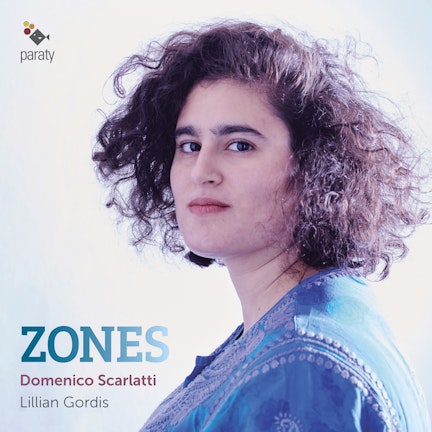
Zones
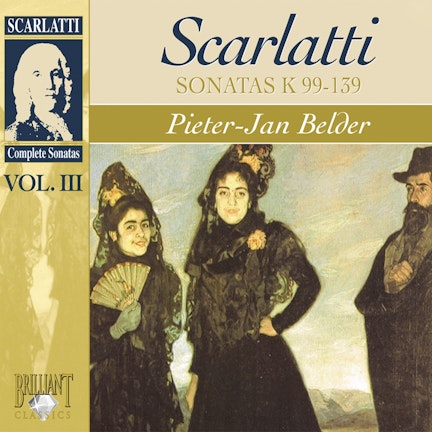
Scarlatti: Sonatas Vol. III, Kk. 99-129
Domenico SCARLATTI: Sonatas
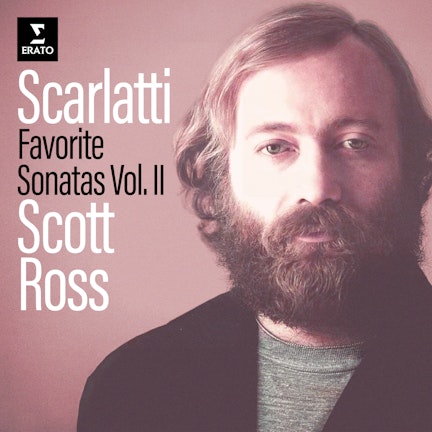
Scarlatti: Favorite Sonatas, Vol. II
Scarlatti: Favorite Sonatas, Vol. I
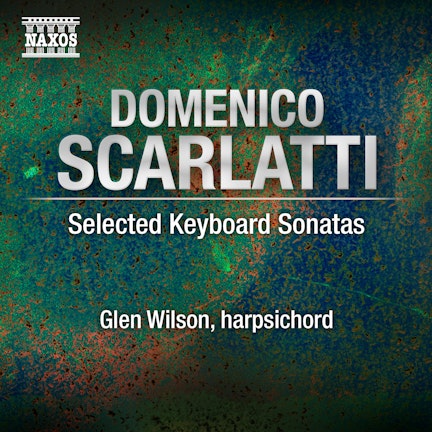
Scarlatti: Selected Keyboard Sonatas
Scarlatti: 100 Sonates pour clavecin
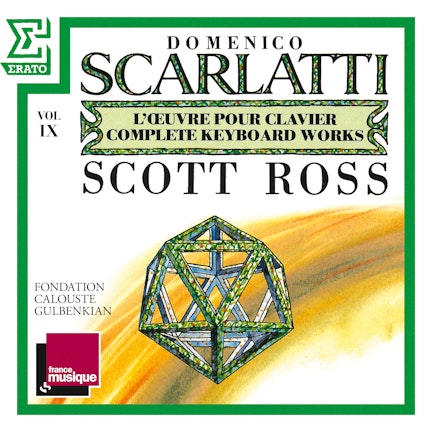
Scarlatti: The Complete Keyboard Works, Vol. 9: Sonatas, Kk. 171 - 190
Scarlatti: The Complete Keyboard Works, Vol. 14: Sonatas, Kk. 272 - 291
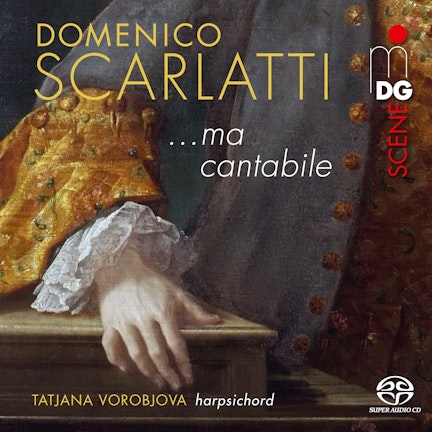
Scarlatti: ... ma cantabile
Scarlatti: Complete Sonatas Vol. X, Kk. 428-475
D. Scarlatti: Complete Sonatas, Vol. VII (Sonatas Kk. 270-317)