During Scarlatti's second Roman period (1703-09), oratorios were popular with the aristocracy and ecclesiastical hierarchy as a way to circumvent the ban on public operatic performances imposed by Pope Innocent XI and his successors.
Composer's Artistic Vision
The plot of Il giardino di rose is an allegory: the garden symbolizes Christianity, the roses represent the rosary, thorns stand for repentance, and storms are the Devil's assaults on the righteous.
Recording & Production
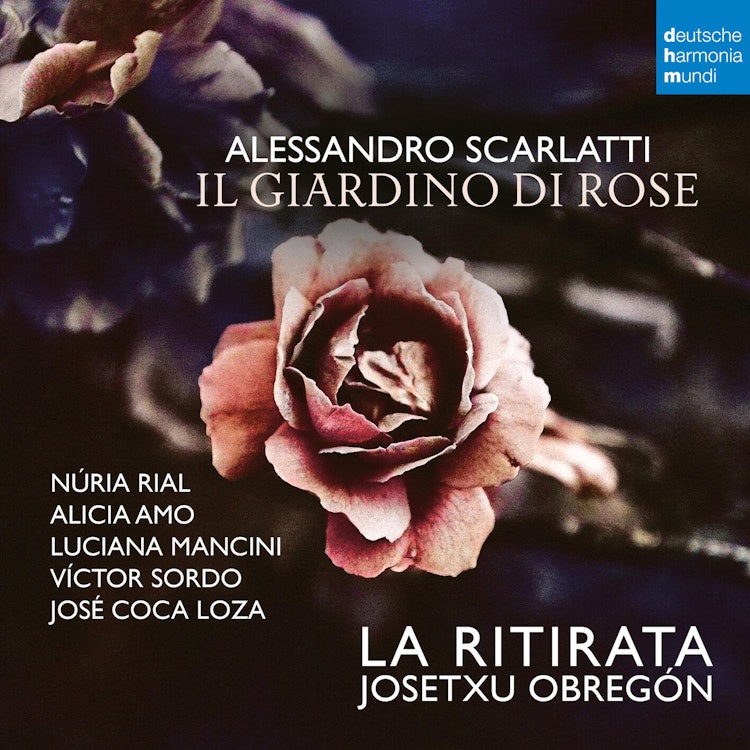
This recording of Alessandro Scarlatti's Il giardino di rose is a world premiere, despite the work's virtuosic arias and rich orchestral writing.
Composition History
Il giardino di rose was commissioned by Marquis Francesco Maria Ruspoli, a patron who used the Arcadian name Olinto Arsenio, and was first performed on Easter Sunday 1707 in his Roman residence.
Composer Biography
Alessandro Scarlatti, considered a founder of the Neapolitan school of opera, divided most of his life between Naples (then a viceroyalty of Spain) and Rome.
Composition History
Alessandro Scarlatti's appointment as maestro of the royal chapel in Naples in 1684 caused a scandal, possibly due to his sister Anna Maria's relationship with the viceroy's secretary of justice.
Historical Context
During his time in Rome, Alessandro Scarlatti enjoyed the protection of Queen Christina of Sweden, who, after abdicating and converting to Catholicism, became a patron of the arts.
You might also enjoy...
Bach: Die Israeliten in der Wuste
Haydn: Ritorno Di Tobia (Il) (The Return of Tobias)