Domenico Scarlatti's Te Deum may have been performed in Lisbon on December 31, 1721, according to an article in the Gazeta de Lisboa.
Compositional Technique
The Miserere on this album is written in an austere, simple style for four unaccompanied voices, alternating with Gregorian chant, reflecting the tradition of music for the Papal chapel.
Composer Biography
Domenico Scarlatti, born in Naples in 1685, began his professional life early, becoming organist to the Royal Chapel in Naples at the age of 16.
Composer's Artistic Vision
Despite being a keyboard virtuoso, Domenico Scarlatti was primarily an inheritor of a Neapolitan and Roman musical tradition where vocal music was central to a composer's creative activity.
Historical Context
Domenico Scarlatti competed in a musical contest with George Frideric Handel, where Scarlatti was victorious on the harpsichord and Handel on the organ.
Compositional Technique
Scarlatti's Stabat Mater is notable for its unusual vocal layout of ten solo voices (4 sopranos, 2 altos, 2 tenors, 2 basses) rather than a double choir or soloists with ripieno singers.
Composer Biography
Domenico Scarlatti's sacred works often feature an archaic compositional style, linking back to the polyphonic tradition, a style still tested for entrance to the Accademia Filarmonica of Bologna in Mozart's time.
You might also enjoy...
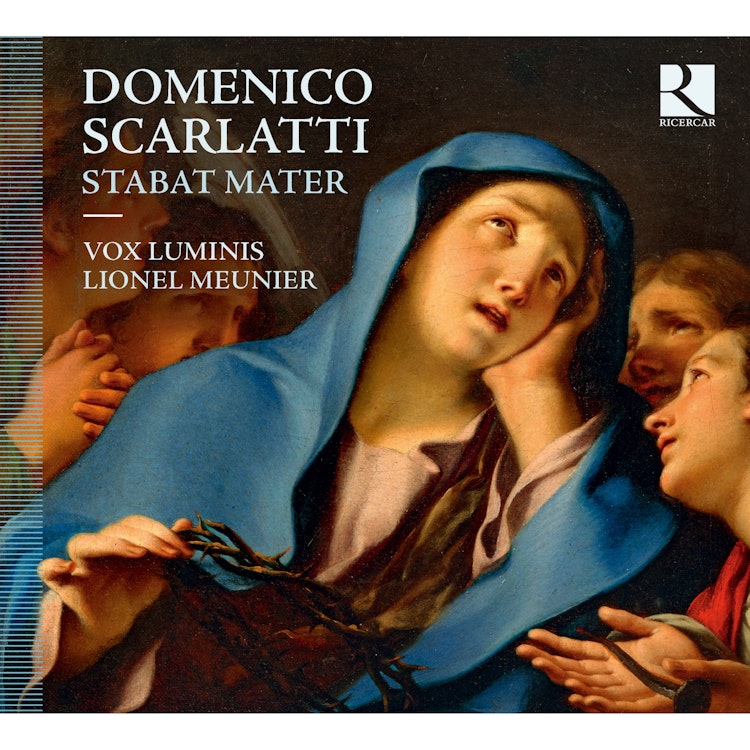
Scarlatti: Stabat Mater
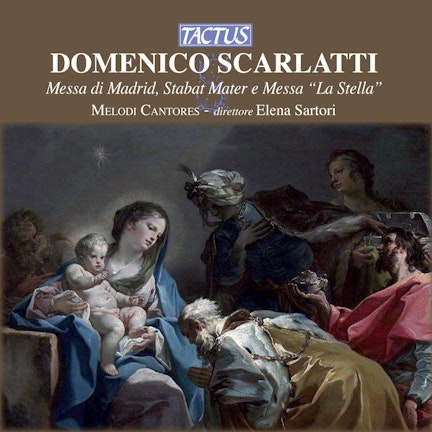
Scarlatti: Messa di Madrid - Stabat Mater - Messa, "La Stella"
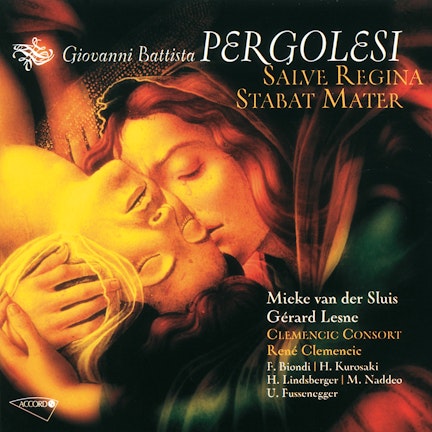
Pergolesi: Stabat Mater / Salve Regina in C Minor
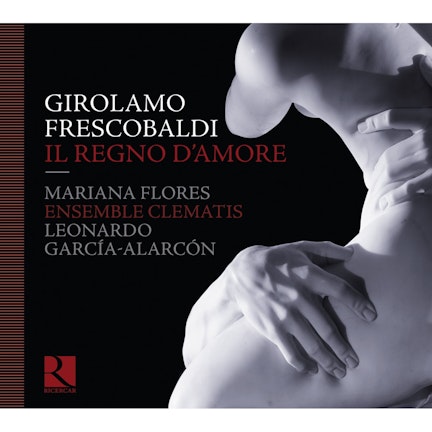
Frescobaldi: Il regno d'Amore
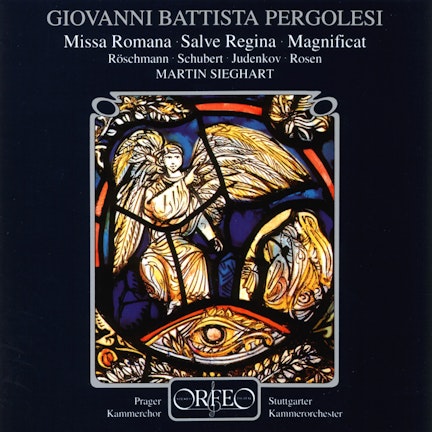
Giovanni Battista Pergolesi
Geminiani: The Inchanted Forrest
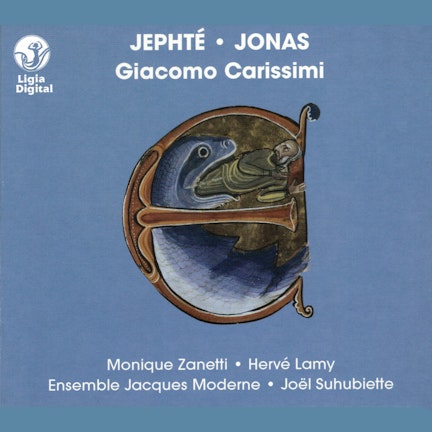
Carissimi: Historia di Jephté - Historia di Jonas
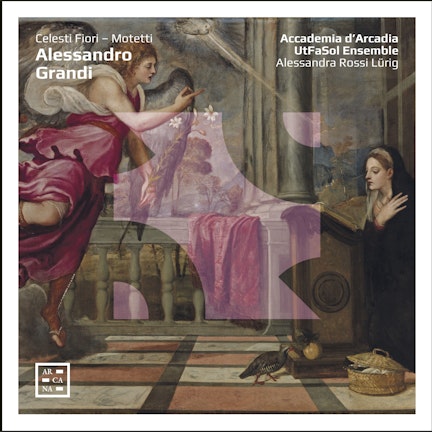
Grandi: Celesti Fiori - Motetti
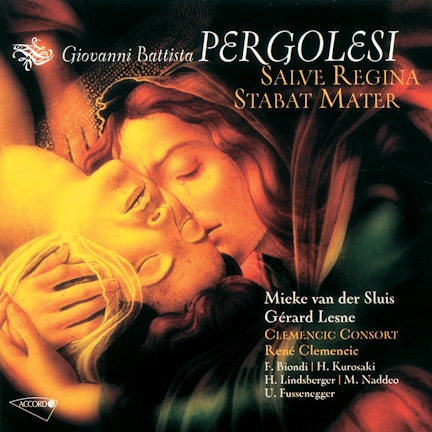
Pergolesi: Salve Regina - Stabat Mater
Pergolesi-Salve regina-Stabat mater
Cherubini: Sacred Works
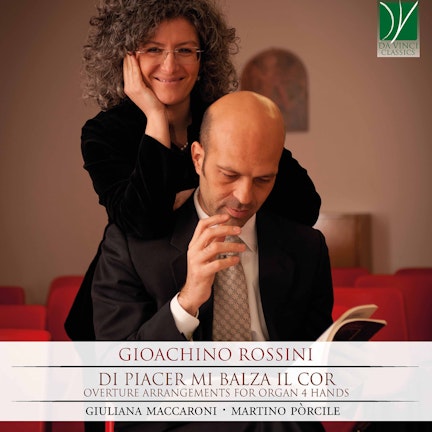
Rossini: Di piacer mi balza il cor, Overtures for Organ 4 Hands