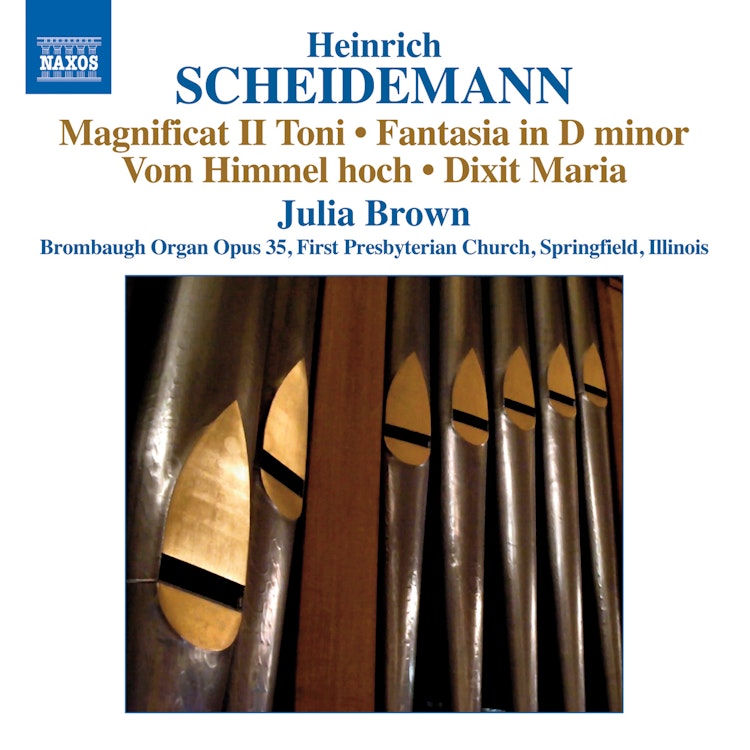
The Brombaugh Organ Opus 35, featured on this recording, was completed in June 2004 and has 3250 pipes disposed on 49 registers, with a total of 70 ranks.
Compositional Technique
Scheidemann's music often explored the characteristics of large organs with multiple manuals and developed pedal divisions, leading to a new type of organ writing with a clear hierarchy of voices.
Composer Biography
Heinrich Scheidemann, an important composer in the development of keyboard music, studied with Jan Pieterszoon Sweelinck in Amsterdam from 1611 to 1614.
Compositional Technique
Scheidemann also composed dance music, and in the 17th century, there was often no clear distinction between organ music and that for other keyboard instruments.
Composer's Artistic Vision
Scheidemann forged a new, independent style, described as 'merry and full of humour,' blending severity and sweetness in his music.
Historical Context
Most of Scheidemann's surviving works were written specifically for the Lutheran liturgy, where organists played solo variations, intonations, interludes, and even replaced the choir with intabulated motets.
Performer Biography
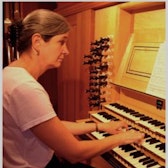
Julia Brown, the organist on this recording, is Director of Music and Organist at First United Methodist Church in Eugene, Oregon, and has performed in North and South America and Europe.
You might also enjoy...
Organ Recital: Tamminga, Liuwe - Scronx, G. / Cornet, P. / Noordt, A. Van / Merula, T. / Babou, T. / Kerckhoven, A. Van Den / Sweelinck, J.P.
Nordic Journey, Vol. 7
Organ Music from the St. Gallen Cathedral, Vol. 4
Hakim, N.: Sakskobing Praeludier / Glenalmond Suite / Improvisation On Amazing Grace
Tudor Organ Music
Saxer, Duben, Schiefferdecker: Complete Organ Works
Krasnovsky - Bach / Hanff / Krasnovsky / Liszt
The Organ of Osterhaninge
Organ Recital: Paukert, Karel - Dvorak, A. / Foerster, J.B. / Janacek, L. / Klicka, J. / Novak, V. / Wiedermann, B.A.
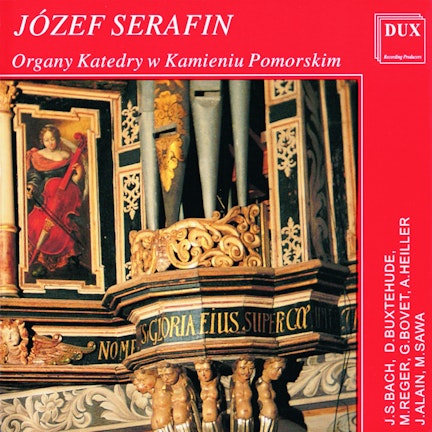
Organy Katedry w Kamieniu Pomorskim
Zardini: Organ Works, Messa in simplicitate & Minuetto per orchestra
Die Kunst der Orgelimprovisation, Vol. 7
Bossi: Complete Organ Works, Vol. 14 - Transcriptions