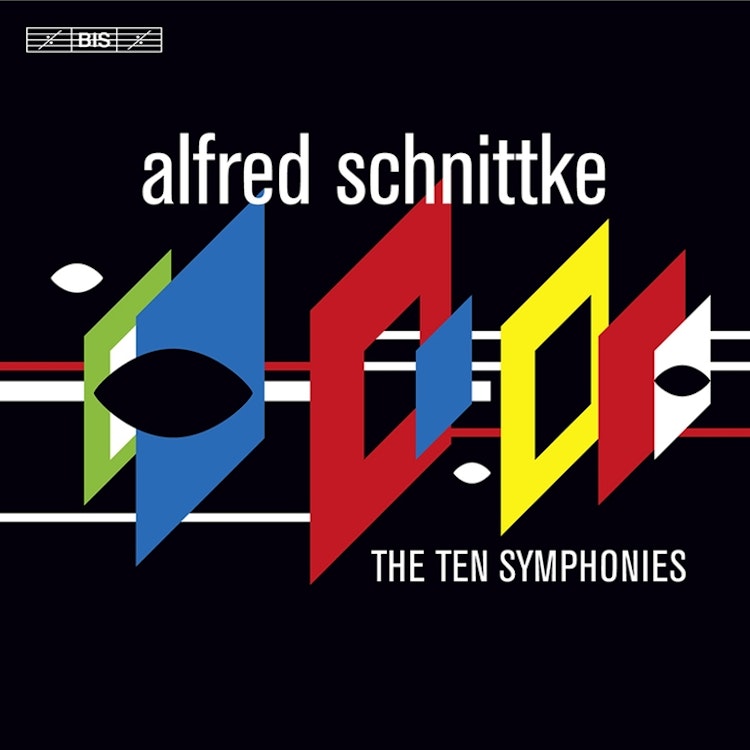
Schnittke's music blends old and new styles, incorporating modern, postmodern, classical, and baroque idioms, reflecting a complex late-20th-century mentality.
Composer Biography
Schnittke wrote more than half of his major compositions during his last thirteen years, despite being gravely ill after a series of strokes.
Composer Biography
Alfred Schnittke (1934-98) is considered the most important composer to emerge from Russia after Shostakovich.
Composer Biography
Schnittke composed his Ninth Symphony (1996-97) with his left hand, as he was unable to speak and could barely move due to illness.
Composer's Artistic Vision
Schnittke's music balances German rationalism with Russian irrationalism, often ending works with long, slow movements or transforming entire movements into massive 'postfaces'.
Composer's Artistic Vision
Schnittke's symphonies explore diverse ideas: some are full of stylistic clashes and cultural themes, while others represent religious symbolism and faith.
Composer's Artistic Vision
Schnittke viewed the symphony as a 'narrative' or 'utterance,' similar to the ideas of Russian philosopher Mikhail Bakhtin, with themes acting as 'bearers of ideas'.