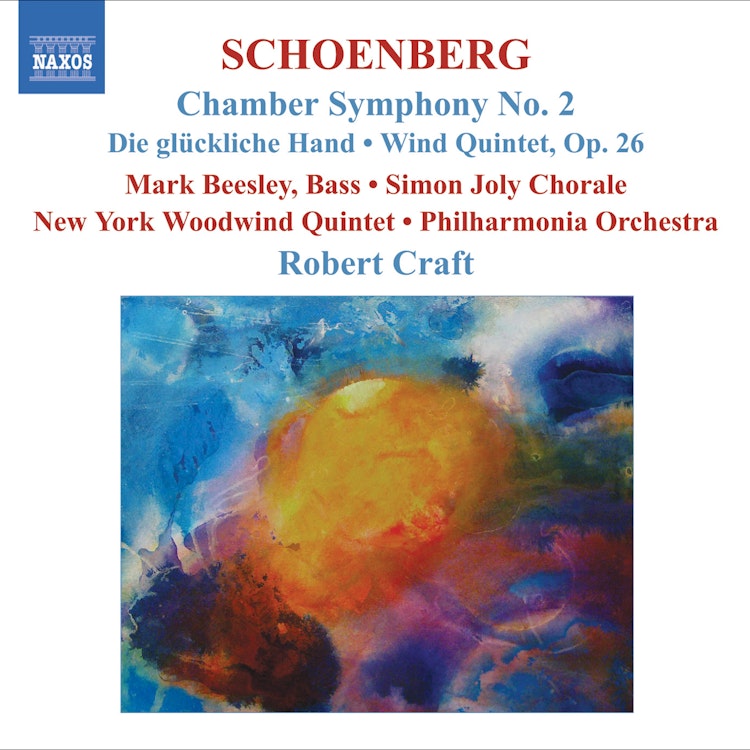
Schoenberg, A.: Chamber Symphony No. 2 / Die Gluckliche Hand / Wind Quintet
10/29/2008, 10 Tracks, 1:18:21
Featuring
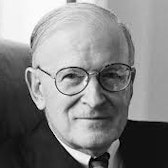
Robert Craft
Mark Beesley
Carol Wincenc
Stephen Taylor
Charles Neidich
William Purvis
Donald MacCourt
Philharmonia Orchestra
Simon Joly Chorale
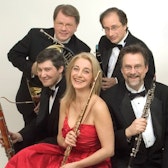
New York Woodwind Quintet
Arnold Schoenberg
Did you know?
1/7
Composition History
Schoenberg's Chamber Symphony No. 2 was started in 1906 but only completed in 1939, with the composer noting his style had become "much more profound" in the interim.
Compositional Technique
In Die glückliche Hand, Schoenberg uses a "nine-note 'ostinato chord'" played by timpani, harp, violas, and cellos to accompany the twelve singers.
Critical Reception
Schoenberg's Wind Quintet, Op. 26, was considered so difficult that it took performers of his time about an hour to play, despite the composer's required tempos making it a 38-minute piece.
Performer Biography
Robert Craft, the conductor on this album, was a constant companion, co-conductor, and musical confidant to Igor Stravinsky for over twenty years, providing unique insight into Stravinsky's intentions.
Composer Biography
The plot of Die glückliche Hand is autobiographical, reflecting Schoenberg's personal experience in 1908 when his wife, Mathilde, eloped with a painter.
Historical Context
The premiere of Schoenberg's Die glückliche Hand was delayed for a decade due to World War I, by which time its aesthetics had become alienated from new developments.
Composer's Artistic Vision
Schoenberg intended his opera Die glückliche Hand to be a "play with apparitions of colours and forms," designed by artists like Kandinsky or Kokoschka, with color changes notated in the score.
You might also enjoy...
Evocations
Chou Wen-chung: Clouds
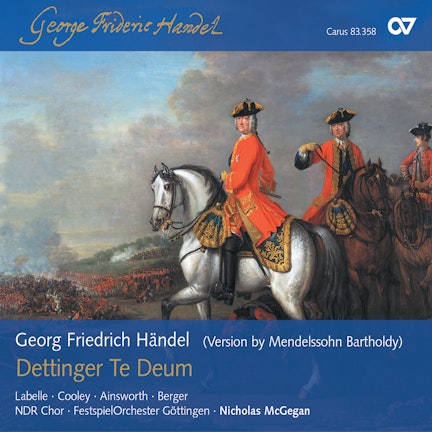
Handel: Dettingen Te Deum, HWV 283
Lutosławski: Cello Concerto; Concerto For Oboe & Harp; Dance Preludes
Stenhammar: Sangen (The Song) / 2 Sentimental Romances / Ithaka
Streams in the Desert
Handel: Te Deum
Robert Stark: Clarinet Concertos
Timothy Reynish International Repertoire Recordings, Vol. 9: Gregson