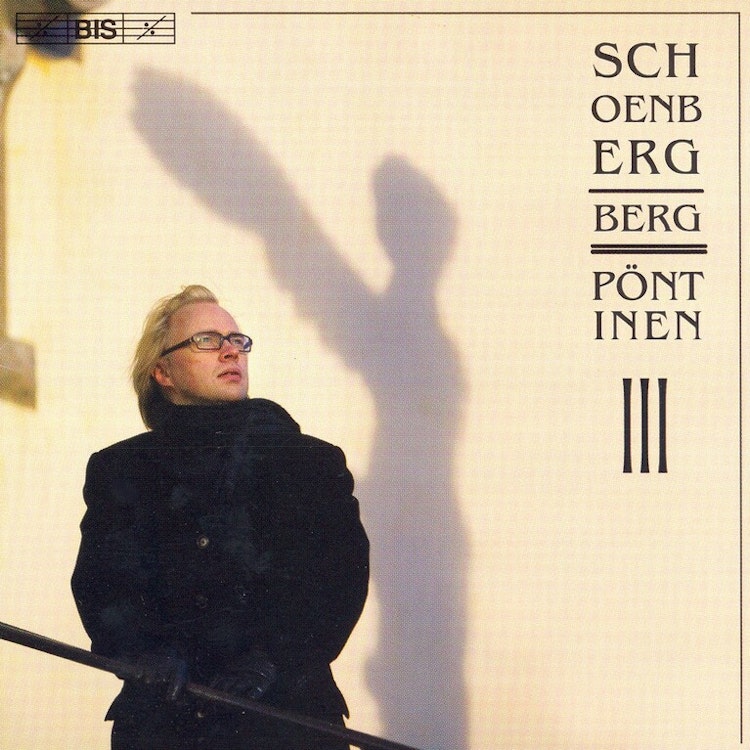
Arnold Schoenberg composed five of his Six Little Piano Pieces, Op. 19, in a single day in 1911, taking a break from proofreading his major theoretical work, Harmonielehre.
Compositional Technique
Schoenberg's compositional technique in his first Op. 11 piece, where form and material are transformed through variation, shows him as a successor to Johannes Brahms.
Composition History
Arnold Schoenberg's Second String Quartet, composed a year before his Op. 11 piano pieces, marked a break with music-historical tradition by dissolving tonality into atonality.
Composer Biography
The sixth and final piece of Schoenberg's Op. 19 was composed in endless grief a few weeks after the death of his mentor and friend, Gustav Mahler, in May 1911.
Composer's Artistic Vision
Arnold Schoenberg wanted to achieve a 'gloomy, oppressed tonal colour' in the first two pieces of his Op. 11, as expressed in a letter to Ferruccio Busoni.
Composition History
Schoenberg's 'method of composing with 12 tones' was discovered in the summer of 1921, while he was working on his Five Piano Pieces, Op. 23, and Suite for Piano, Op. 25.
Composer Biography
Arnold Schoenberg, a central figure in 20th-century music, spent his holidays in August 1909 in Steinakirchen, Lower Austria, where he completed his Three Piano Pieces, Op. 11.
You might also enjoy...
Albéniz: Piano Pieces
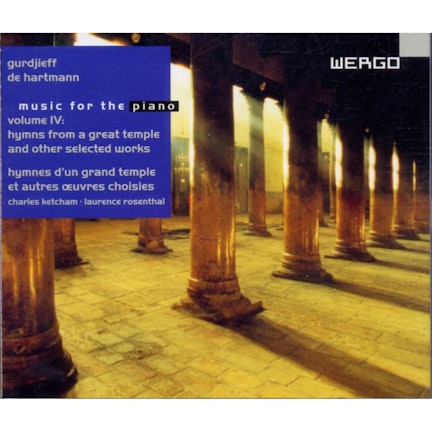
Gurdjieff & De Hartmann: Music for the Piano, Vol. Iv: Hymns from a Great Temple and Other Selected Works
Conciertos Románticos
Love Songs - Piano Transcriptions Without Words
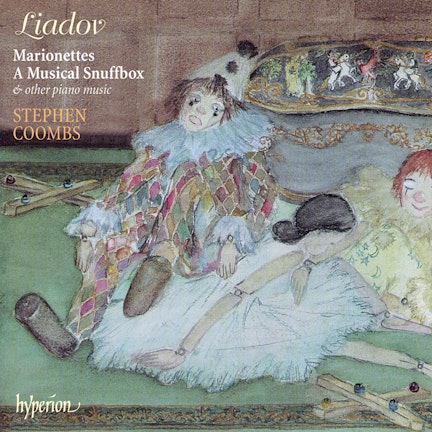
Liadov: Marionettes, A Musical Snuffbox & Other Piano Music