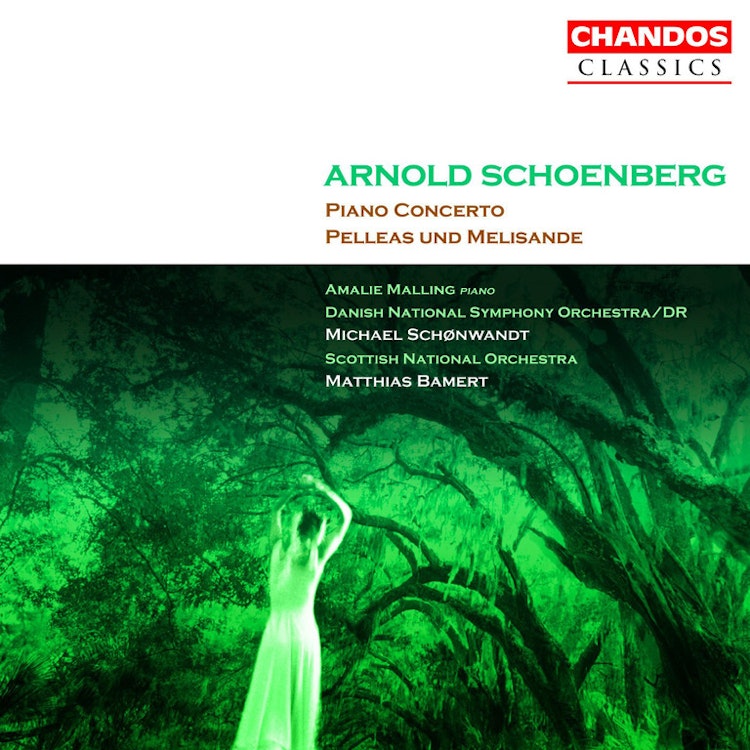
Schoenberg: Pelleas Und Melisande / Piano Concerto
1/1/2005, 8 Tracks, 1:03:49
Featuring
Matthias Bamert
Michael Schønwandt
Amalie Malling
Royal Scottish National Orchestra
DR SymfoniOrkestret
Arnold Schoenberg
Did you know?
1/7
Composer's Artistic Vision
Schoenberg provided 'explanatory phrases' for his Piano Concerto, Op. 42, to characterize its four sections, reflecting his reactions to pre-Nazi Vienna and World War II.
Compositional Technique
Schoenberg's "Pelleas und Melisande" uses a large orchestra, including quadruple woodwind, eighteen brass (eight horns), two harps, six timpani, and sixty-five strings, to achieve maximum orchestral color and sonority.
Critical Reception
The 1911 Berlin performance of Schoenberg's "Pelleas und Melisande" was met with hostility by critic Ludwig Karpath, who called it 'a fifty-minute-long protracted wrong note'.
Composition History
Richard Strauss suggested Maurice Maeterlinck's drama "Pelléas et Mélisande" as an opera subject to Arnold Schoenberg in 1902, unaware that Debussy had already completed his own opera on the same theme.
Performer Biography
Amalie Malling, the pianist on this recording, was appointed professor of piano at the Royal Danish Music Academy in Copenhagen in 1981.
Compositional Technique
Schoenberg's Piano Concerto, Op. 42, though based on a twelve-note series, is considered less forbidding than many of his serial compositions, featuring singable tunes and hints of traditional harmony.
Composer Biography
Arnold Schoenberg emigrated to America in October 1933 due to harassment from the Nazis and never returned to Europe, though he found security as a professor at the University of California.
You might also enjoy...
Taktakishvili, O.: Piano Concerto No. 1 / Balakirev, M.A.: Tamara
Ausklang / Eine Alpensinfonie
Dvorak: Piano Concerto, Op. 33 / The Water Goblin
Dvorák : Piano Concerto & The Golden Spinning Wheel
Respighi: Concerto in modo misolidio - Fontane di Roma
Richard Strauss: Sinfonia Domestica; Parergon
Richard Strauss: Sinfonia Domestica; Parergon
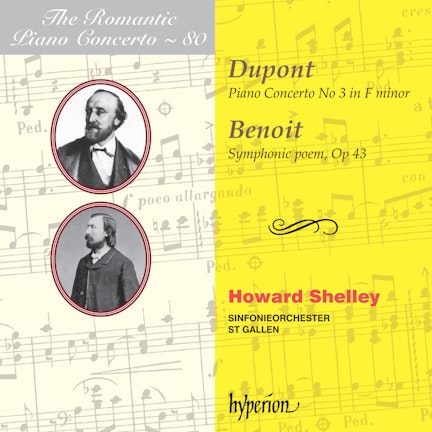
Dupont & Benoit: Piano Concertos (Hyperion Romantic Piano Concerto 80)
Wiklund: Piano Concertos Nos. 1 and 2 / Summer Night and Sunrise
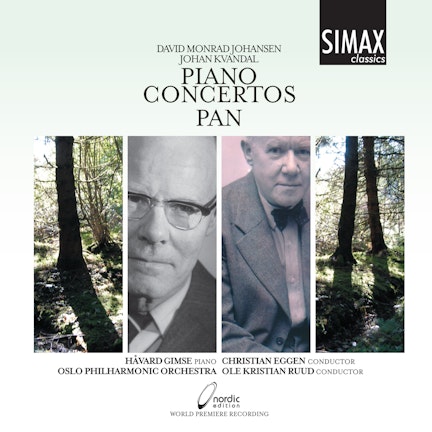
Piano Concertos & Pan
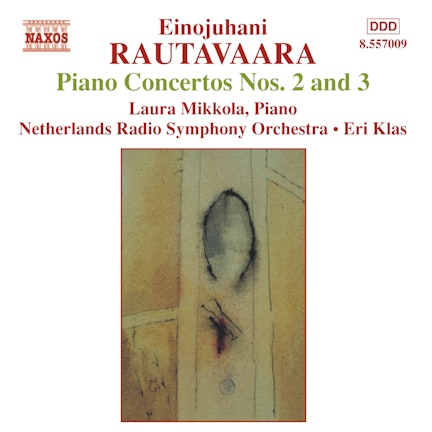
Rautavaara: Piano Concertos Nos. 2 & 3 and Isle of Bliss