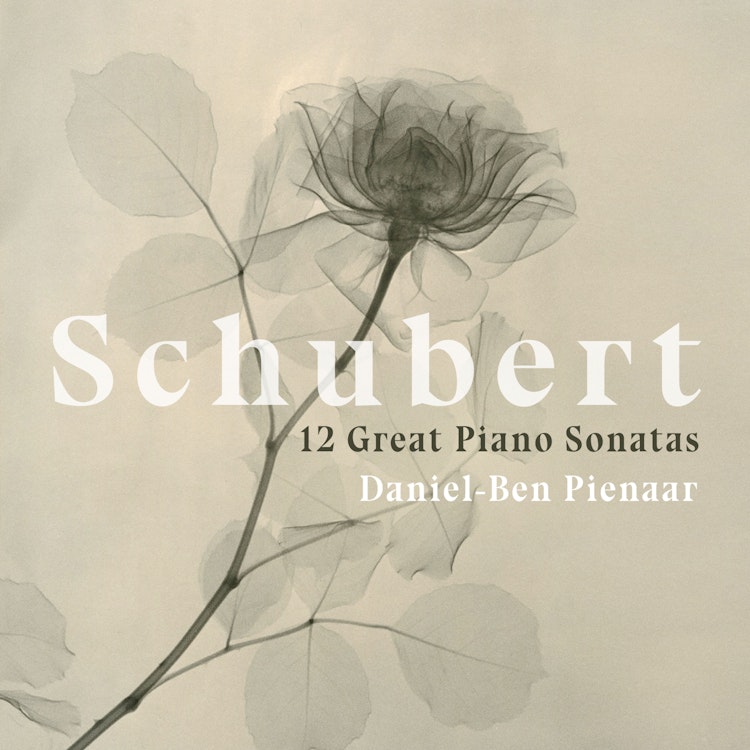
Daniel-Ben Pienaar, the pianist on this recording, is the Curzon Lecturer in Performance Studies at the Royal Academy of Music in London.
Compositional Technique
The finales of Schubert's six later sonatas commonly use 'vernacular' dance-like material, such as Viennese or alla zingarese styles, laid out in extended, simplified rondo forms.
Composer Biography
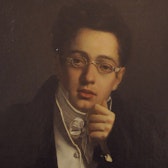
Franz Schubert, the composer of these piano sonatas, completed eleven piano sonatas and died at the age of 31.
Composition History
Schubert intended to dedicate the set of three sonatas D958, D959, and D960 to Johann Nepomuk Hummel, a celebrated pianist-composer and former pupil of Mozart.
Recording & Production
This recording of Schubert's Piano Sonatas was made in March and July 2015 at St George's, Bristol, with Phil Hobbs as the sound engineer.
Composer's Artistic Vision
Schubert's later instrumental works, including these piano sonatas, offer a powerful alternative solution to the fundamental question of what a sonata can be, differing from Beethoven's approach.
Composition History
Only three of Schubert's piano sonatas were published during his lifetime, including D845 as Première Grande Sonate and D850 as Seconde Grande Sonate.
You might also enjoy...
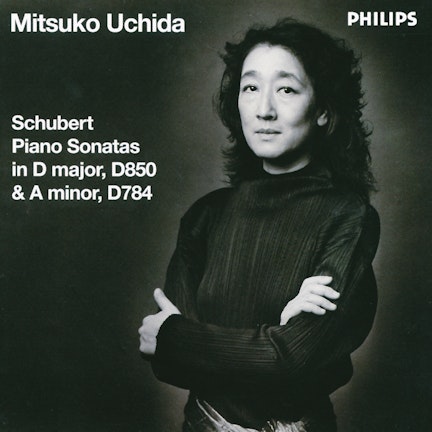
Schubert: Piano Sonatas in D major, D850 & A minor, D784
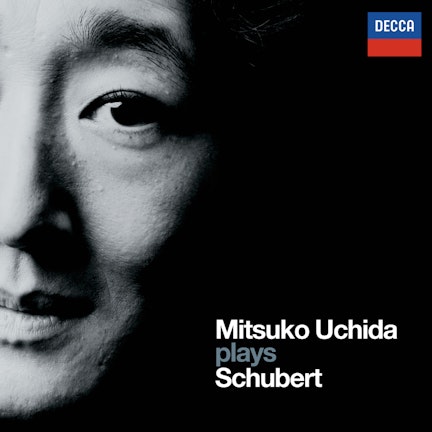
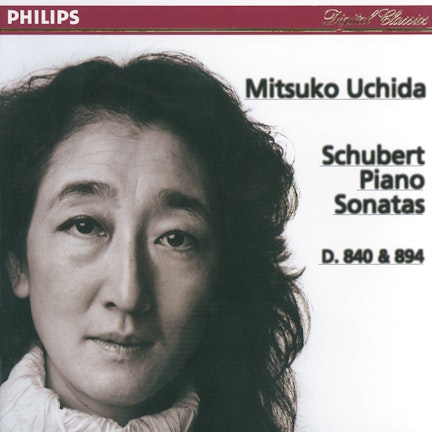
Mitsuko Uchida plays Schubert
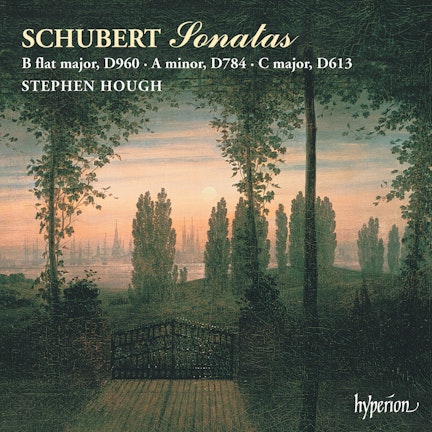
Schubert: Piano Sonata in B-Flat Major, D. 960; in A Minor, D. 784; in C Major, D. 613