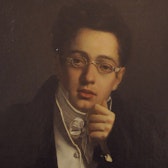
As a boy, Schubert was a chorister in the Court Chapel and a member of the Vienna Imperial Seminary orchestra, where he played second violin.
Composer's Artistic Vision
Schubert wanted to make a name for himself in instrumental music, specifically chamber music and symphonies, rather than primarily keyboard music.
Composition History
Schubert began 21 piano sonatas but completed only 12, often leaving movements unfinished or using them in other contexts.
Compositional Technique
Schubert's piano music often sounds like chamber music for multiple instruments, with an 'orchestral element' that can evoke a singer's voice or a string quartet.
Interpretation
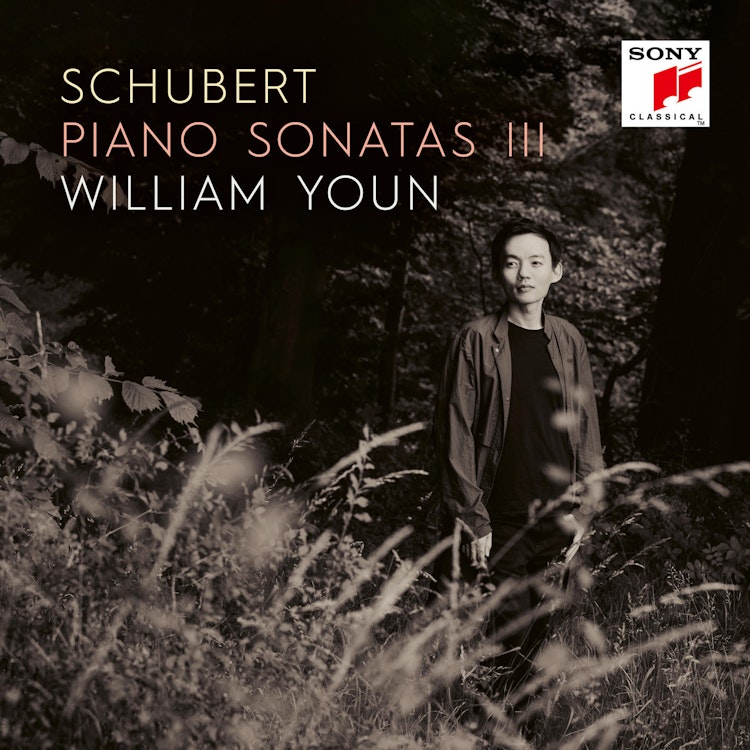
Pianist William Youn chose not to record Schubert's sonatas chronologically because Schubert often composed multiple pieces simultaneously.
Critical Reception
Much of Schubert's piano music was not publicly known during his lifetime, with many works published posthumously as part of a complete edition edited by Johannes Brahms.
Composer Biography
Franz Schubert's early musical training was geared towards orchestral practice; his father taught him violin, and his eldest brother, Ignaz, introduced him to piano and score-reading.
You might also enjoy...
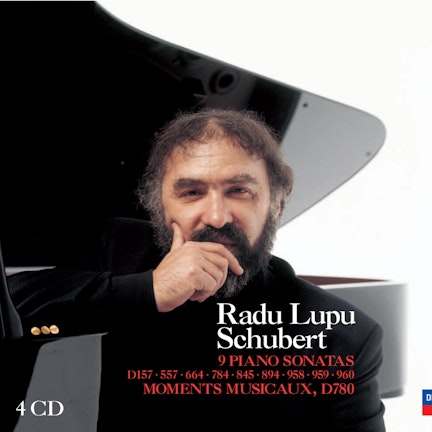
Radu Lupu plays Schubert
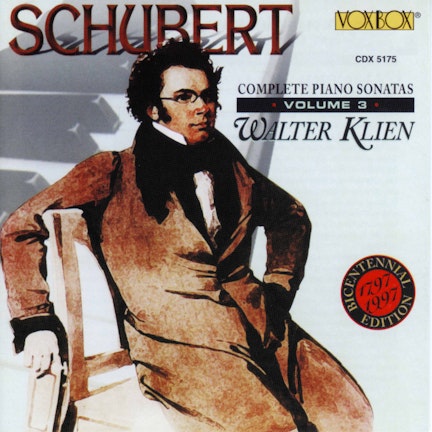
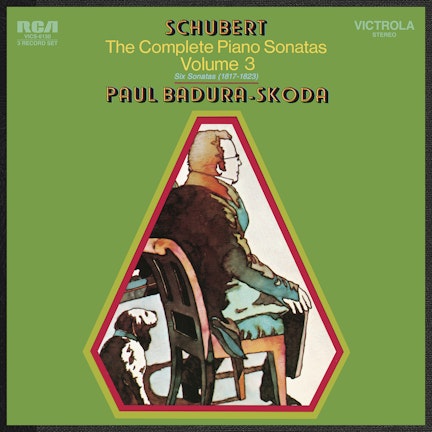
Schubert: Complete Piano Sonatas, Vol. 3
Sviatoslav Richter plays Franz Schubert
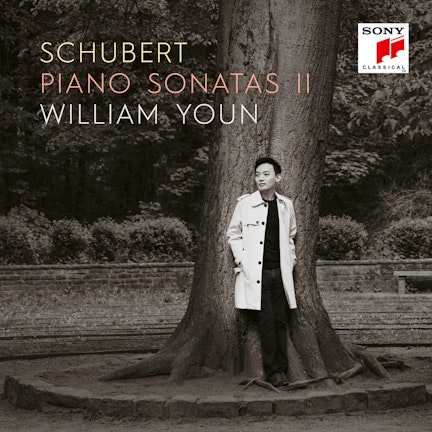
Schubert: Piano Sonatas II
Schubert: The Piano Sonatas
Schubert: Piano Sonatas
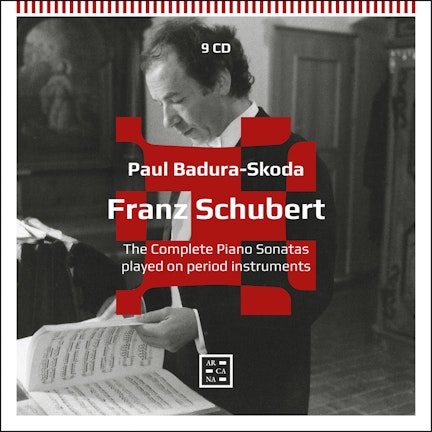
Schubert: The Complete Piano Sonatas Played on Period Instruments
Schubert: Six Sonatas (1817-1823)
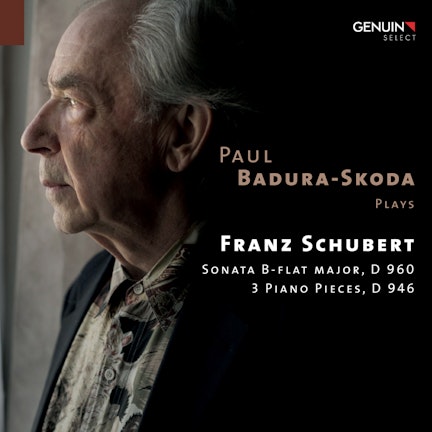
Schubert: Piano Sonatas Nos. 19-21 - 3 Klavierstucke