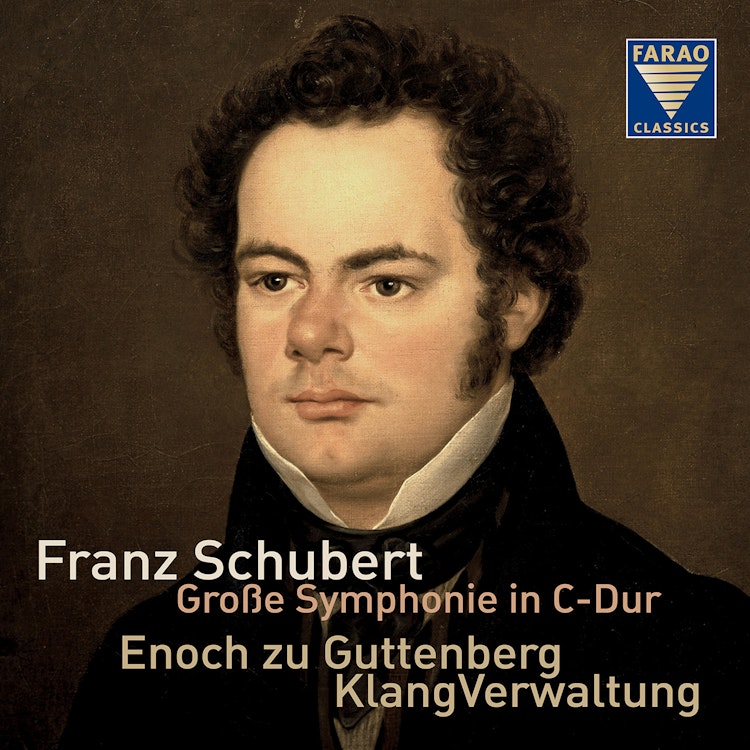
The "Great Symphony" expands classical orchestration by adding three trombones, giving the music a special tonal character despite Schubert's otherwise restrained use of instruments.
Historical Context
Schubert's friend, Johann Chrysostomus Senn, was arrested by secret police in 1820, reflecting the political repression of Prince Metternich's restoration policies.
Notable Performances
The "Great Symphony" gained public attention on March 21, 1839, when Felix Mendelssohn Bartholdy conducted its first performance at the Leipzig Gewandhaus.
Composer Biography
Franz Schubert's exceptional musical talent was recognized early, developing rapidly through his study of Haydn, Mozart, and Beethoven.
Composer's Artistic Vision
Schubert viewed art not just as a private retreat or consolation, but as a way to depict "the time of strength and deeds" in images, as revealed in his 1824 poem.
Composition History
Schubert composed his "Great Symphony" in 1825, aiming to "pave the way to the great symphony" after struggling with the influence of Beethoven.
Critical Reception
Robert Schumann, who discovered the symphony's score, was captivated by its "heavenly lengths," comparing it to a "thick four-volume novel by someone like Jean Paul."
You might also enjoy...
Schubert: Symphonies Nos. 3 & 4
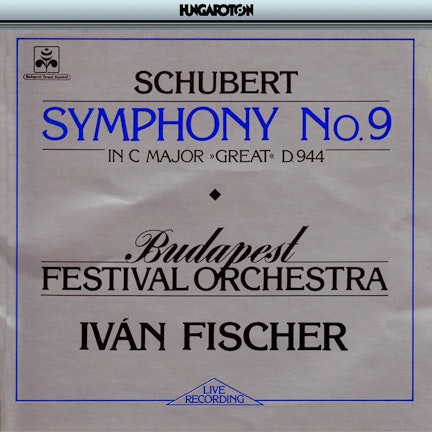
Schubert: The Complete Symphonies Vol. 3: Symphony No.9, D.944
Schubert: Symphony No. 9, D. 944 "The Great"
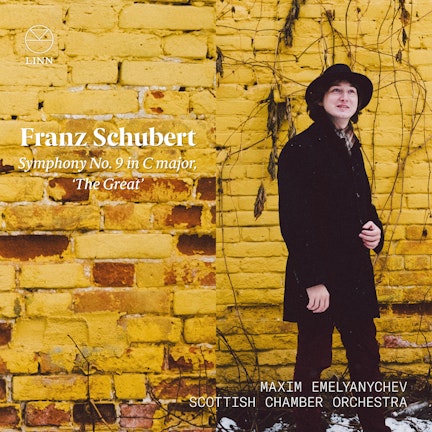
Schubert: Symphony No. 9 in C Major, D. 944 "The Great"
Schubert: Symphony No. 9 in C Major, "Great"
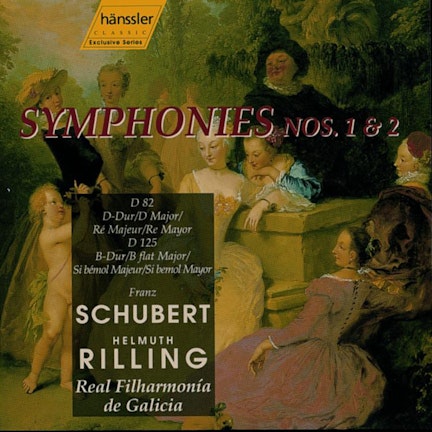
Schubert: Symphony No. 1 in D Major, D. 82 / Symphony No. 2 in B-Flat Major, D. 125
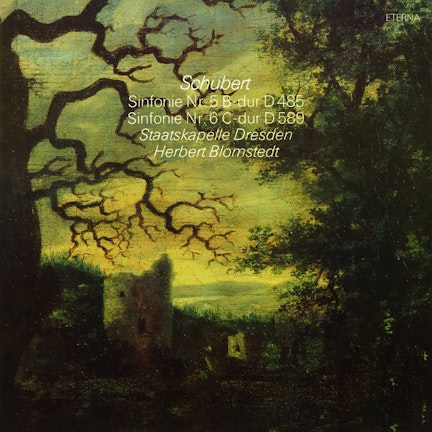
Schubert: Sinfonien No. 5 & 6
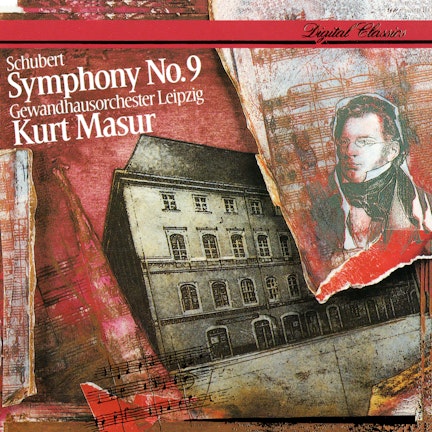
Schubert: Symphony No. 9
Hans Schmidt-Isserstedt conducts Schubert's The Great
Schubert: Symphony No. 9 in C major, 'The Great', D. 944
Schubert: Symphonies Nos. 2 & 3
Schubert: Symphony No. 8 in C Major, D. 944 "Great"