The Rondo brillant, written ten years after the Sonatinas, was inspired by the 20-year-old virtuoso violinist Josef Slavík, whom Chopin called 'the second Paganini'.
Composition History
Schubert composed his three Sonatinas for fortepiano and violin in just a few weeks in 1816, marking his first chamber music works for violin.
Composer's Artistic Vision
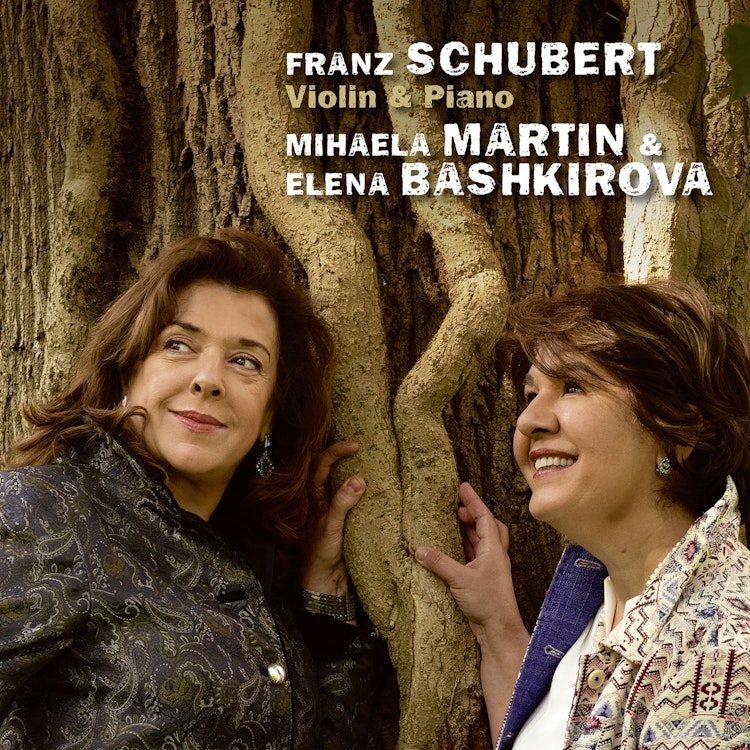
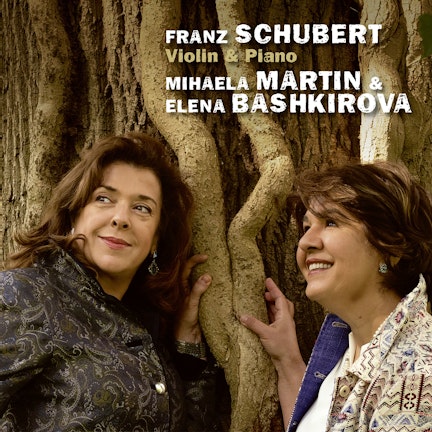
Pianist Elena Bashkirova describes Schubert's music as a journey in a horse-drawn carriage, with scenery passing by and a constant feeling of being on the way.
Composition History
The Sonatinas were likely intended for domestic use, possibly for Schubert's brother Ferdinand or for social gatherings with friends.
Critical Reception
The Sonatinas were published posthumously in 1836 by Anton Diabelli, who gave them the title 'Sonatinas,' which has remained to this day.
Interpretation
Violinist Mihaela Martin notes that Schubert's writing for violin is not always idiomatic, requiring careful fingering to maintain the melodic line.
Performer Biography
Violinist Mihaela Martin, born in Romania, won second prize at the Tchaikovsky Competition at age 19 and first prize at the International Violin Competition of Indianapolis, launching her international career.
You might also enjoy...
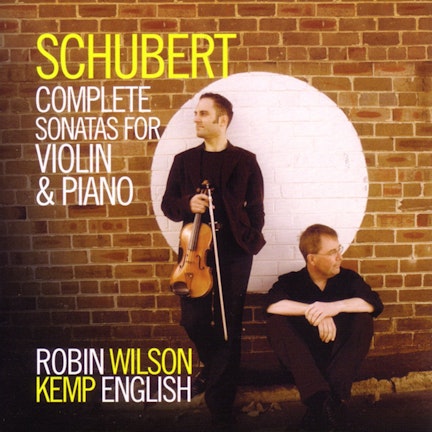
Schubert: Violin Sonatas
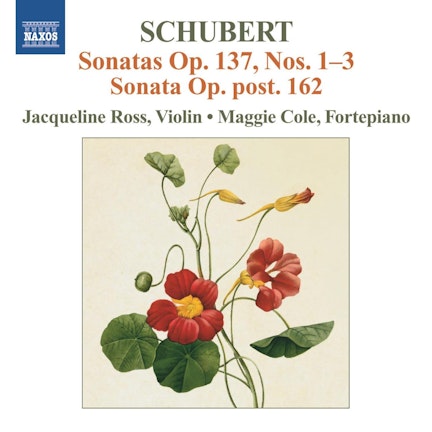
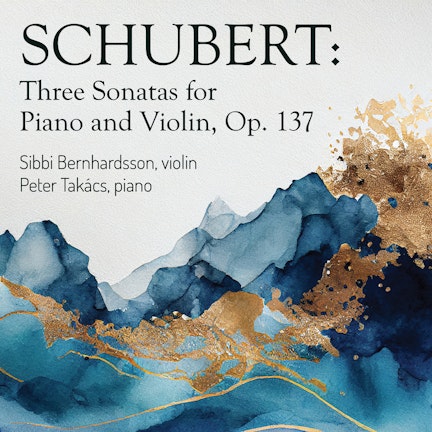
Schubert: 3 Violin Sonatas, Op. 137
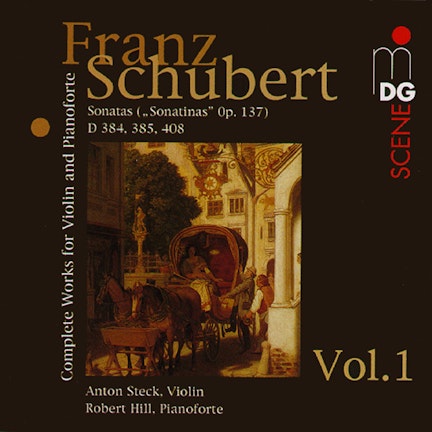
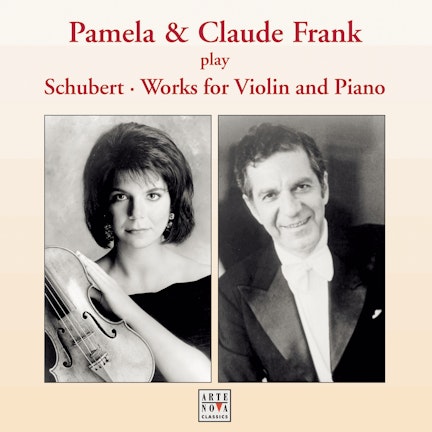
Schubert: Complete Works for Violin and Pianoforte
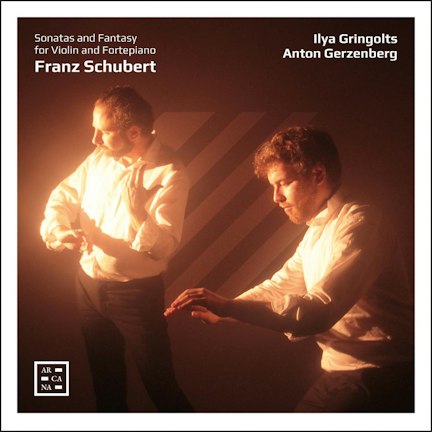
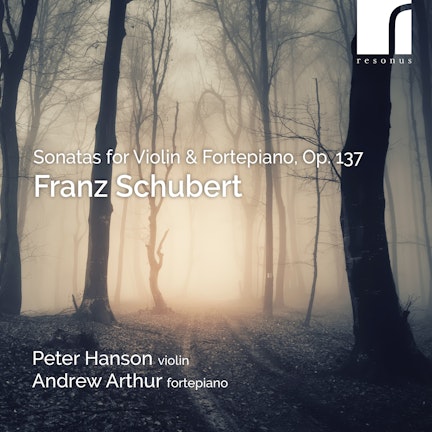
Schubert: Sonatas and Fantasy for Violin and Fortepiano