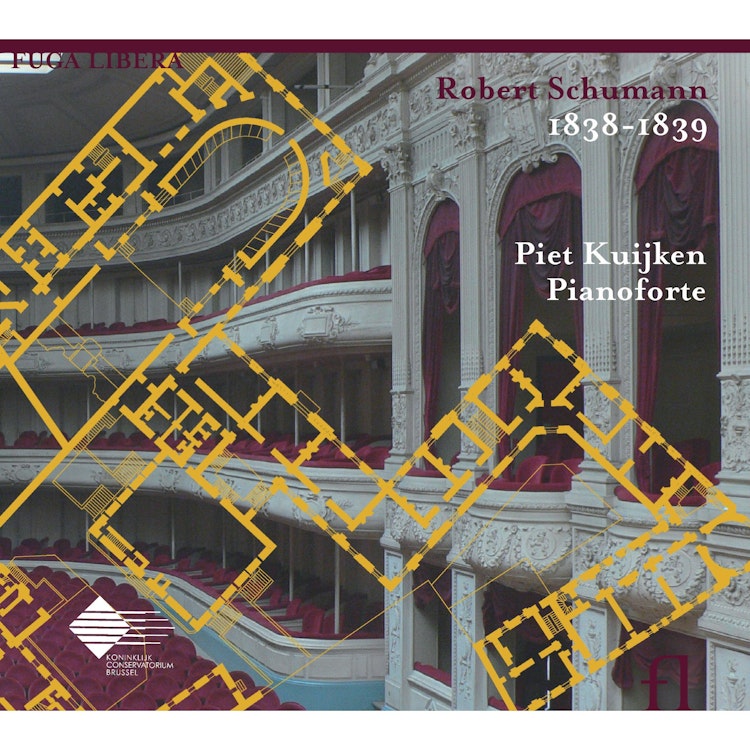
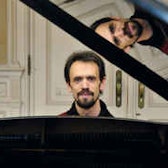
Piet Kuijken, the performer on this album, is a professor of piano and pianoforte at the Royal Brussels Conservatory and has performed in major concert halls across Europe, Japan, and Mexico.
Instruments
The recording uses a J.B. Streicher pianoforte from 1850, which is noted for its Viennese transparency, wide dynamic range, and suitability for Schumann's polyphonic textures.
Historical Context
The compositions on this album were created during a period of great personal turmoil for Schumann, including a painful conflict with Clara Wieck's father and a legal battle to marry her.
Composer's Artistic Vision
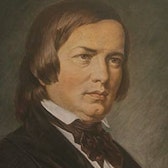
Robert Schumann's unbounded love for Clara Wieck, who was his fiancée and later his wife, was the main inspiration for his piano compositions.
Composition History
Schumann composed the Novelletten and Kinderszenen (Scenes of Childhood) during an optimistic period in Vienna, inspired by Clara Wieck's positive letters and their plans to build a life together there.
Compositional Technique
Schumann invented a new genre, the 'Novelletten', which he named after Clara Novello, a singer he admired, and which he filled with personal and literary associations.
Recording & Production
This album is the result of an artistic research project by lecturer Piet Kuijken, who spent several years studying historical and musical sources and analyzing scores.