Schumann's 'Papillons' (Butterflies) Op. 2, a cycle of twelve miniatures, was inspired by the penultimate chapter of Jean Paul's novel 'Flegeljahre'.
Compositional Technique
Schumann stated that he "learnt more counterpoint from Jean Paul than from his music teacher," indicating the literary influence on his compositional style.
Critical Reception
The popular metronome markings for Schumann's 'Kinderszenen' are not the composer's own, leading to tempos that are often too fast in quick movements and too slow in slow movements.
Recording & Production
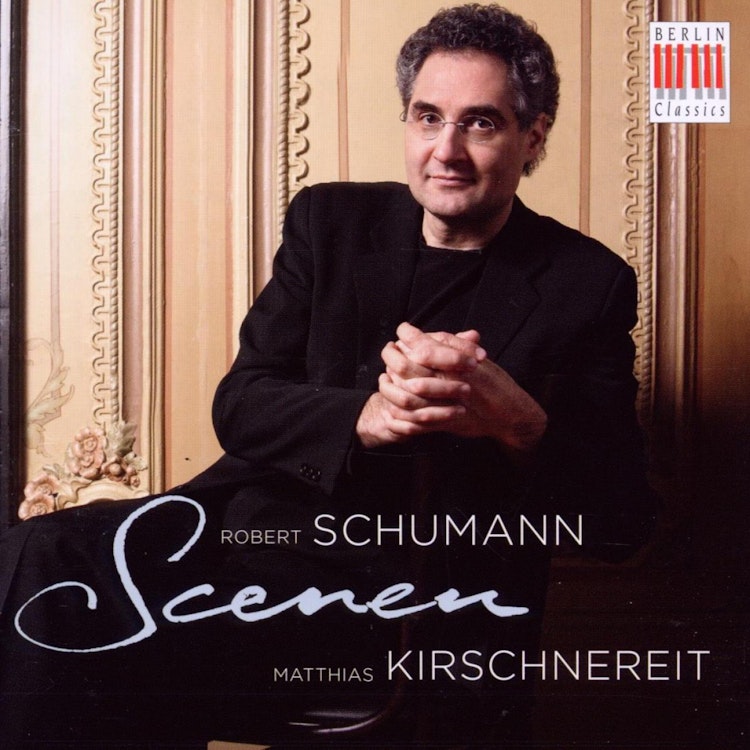
This recording by Matthias Kirschnereit features the world premiere recording of Schumann's rediscovered piece 'Ahnung', 166 years after its creation.
Composer's Artistic Vision
Robert Schumann used the piano to express and process personal experiences, creating a world of suggestions and disguises in his compositions.
Composer Biography
Schumann's father ran a publishing house in Zwickau, and the young Robert was extremely well-read, particularly influenced by the fanciful novels of German writer Jean Paul.
Composition History
Schumann's 'Kinderszenen' (Scenes from Childhood) Op. 15, though often considered easy pieces, were not intended for children and were composed in 1838.
You might also enjoy...
Schumann: 1838 - 1839
Schumann: First Masterworks
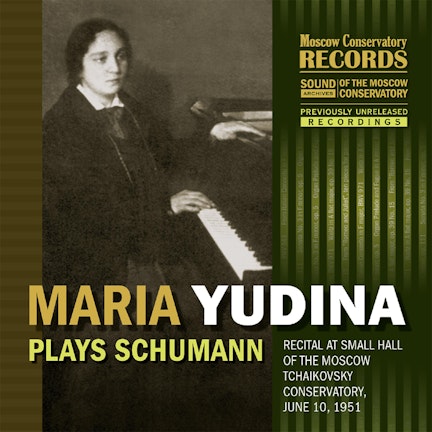
MARIA YUDINA PLAYS SCHUMANN
Schumann: Davidsbundlertanze & Humoreske
Schumann : Piano Sonata No.2, Arabeske & Papillons