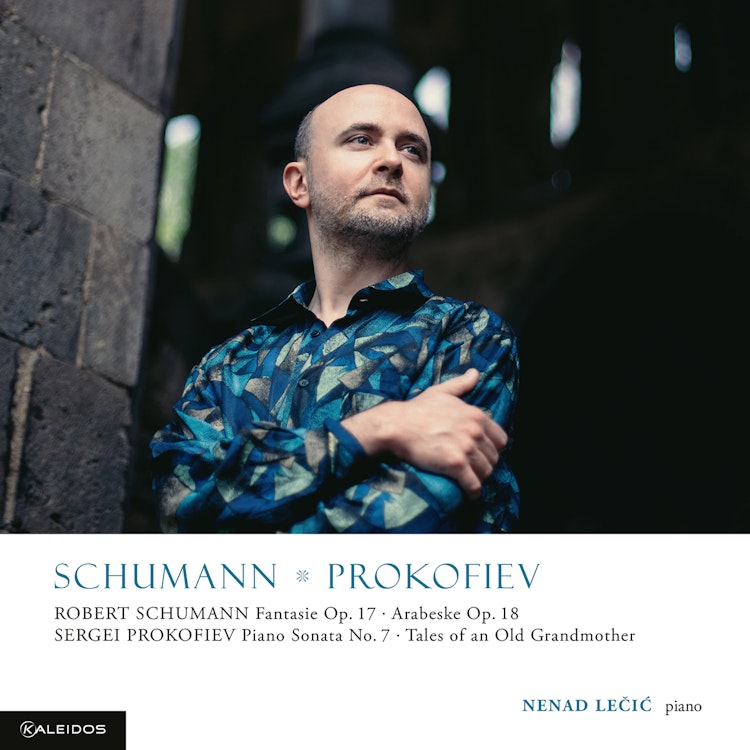
Sviatoslav Richter premiered Sergei Prokofiev's Piano Sonata No. 7 in Moscow on January 18, 1943, learning the challenging three movements in just a few days under difficult conditions.
Composition History
Robert Schumann composed his Fantasie Op. 17 during a period of despair and heartache, specifically due to Friedrich Wieck forbidding contact between Schumann and his daughter Clara Wieck.
Compositional Technique
Prokofiev's Piano Sonata No. 7 features a central movement, 'Andante caloroso', that borrows a melody from Robert Schumann's 'Liederkreis' Op. 39, specifically from the poem 'Wehmut' by Joseph von Eichendorff.
Composer's Artistic Vision
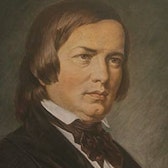
Robert Schumann, inspired by writers like Jean Paul and E. T. A. Hoffmann, integrated literary aesthetics into his music, viewing music as an expression of the soul's states.
Composition History
Sergei Prokofiev's Piano Sonata No. 7, subtitled 'Stalingrad', was composed during World War II while he was in Russia, forming a triptych with his Sixth and Eighth Sonatas known as the 'War Sonatas'.
Composer Biography
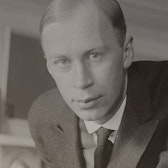
Sergei Prokofiev, also interested in literature, wrote quirky, fairytale-like stories as a young man, which were published in magazines to provide a second income alongside his music.
Composer Biography
Robert Schumann, originally a law student, abandoned his studies in Heidelberg in 1830 to pursue music, returning to Leipzig to study with his piano teacher Friedrich Wieck.
You might also enjoy...
Schumann: Variations & Sonatas
Vers la flamme
Robert Schumann - The Works for Solo Piano (Live Recording)
Live from Prague
The Return
A Reverie of the Soul: Piano Works by Robert Schumann