This recording of Schumann's Symphonic Etudes Op. 13 uses the 1852 self-edited version by Schumann, but also incorporates a new approach based on his sketches and earlier drafts.
Historical Context
Schumann's passion for spiritualism was influenced by the German writer Jean Paul, who theorized communication with the spirit world through dreams.
Composition History
Schumann's first composition, the ABEGG Variations Op. 1, uses the notes A, B, E, G, G as a musical cryptogram based on the surname of a fictitious friend, Meta Abegg, and a woman he knew, Pauline von Abegg.
Compositional Technique
Schumann's Symphonic Etudes Op. 13 were created from a theme composed by Ignaz Ferdinand von Fricken, the father of Schumann's ex-fiancée Ernestine.
Compositional Technique
Schumann often incorporated musical cryptograms into his compositions, a technique popular among Romantic composers, where notes correspond to letters or names.
Composer Biography
Schumann believed multiple personalities, named Eusebius, Florestan, and Raro, coexisted within him, forming a mystical brotherhood called the Davidsbündler (League of David).
Composer Biography
In the last years of his life, Robert Schumann claimed to hear spiritual voices dictating music to him from beyond.
You might also enjoy...
Schumann, R.: Piano Sonata No. 2 / Fantasie in C Major
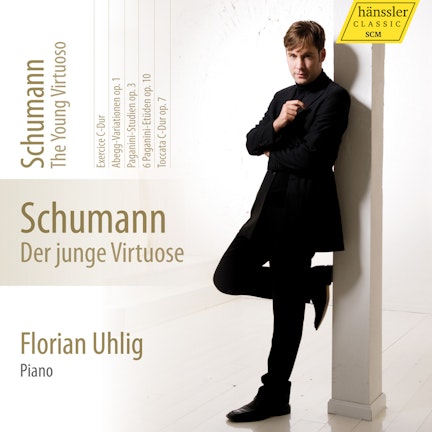
Schumann: The Complete Works for Piano, Vol. 6
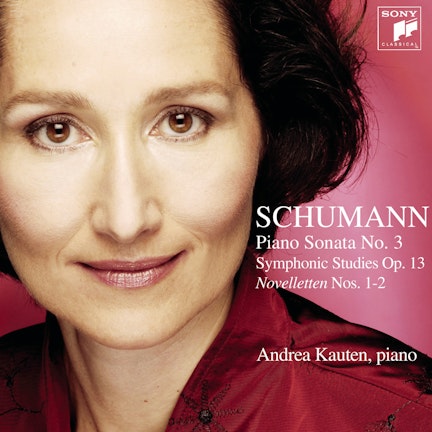
Schumann: Symphonic Studies & Piano Sonata No. 3
Schumann: Symphonic Studies/Piano Sonata No. 3
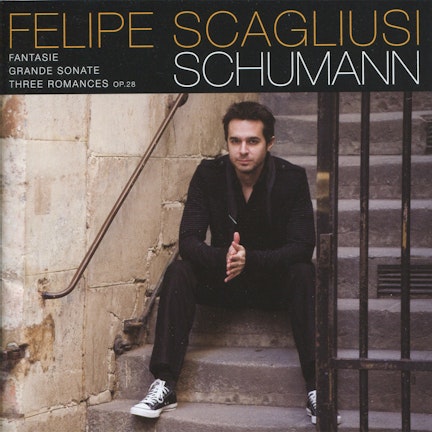
Schumann: Grand Sonate, Three Romances & Fantasie
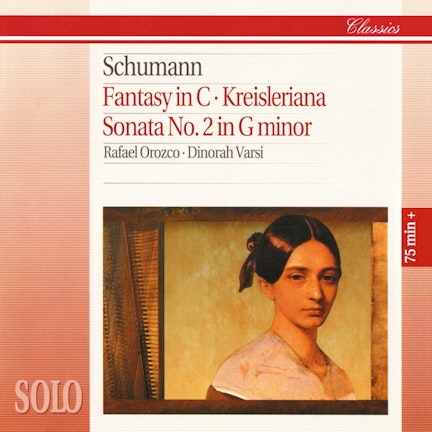
Schumann: Fantasy in C Major, Kreisleriana & Sonata No. 2