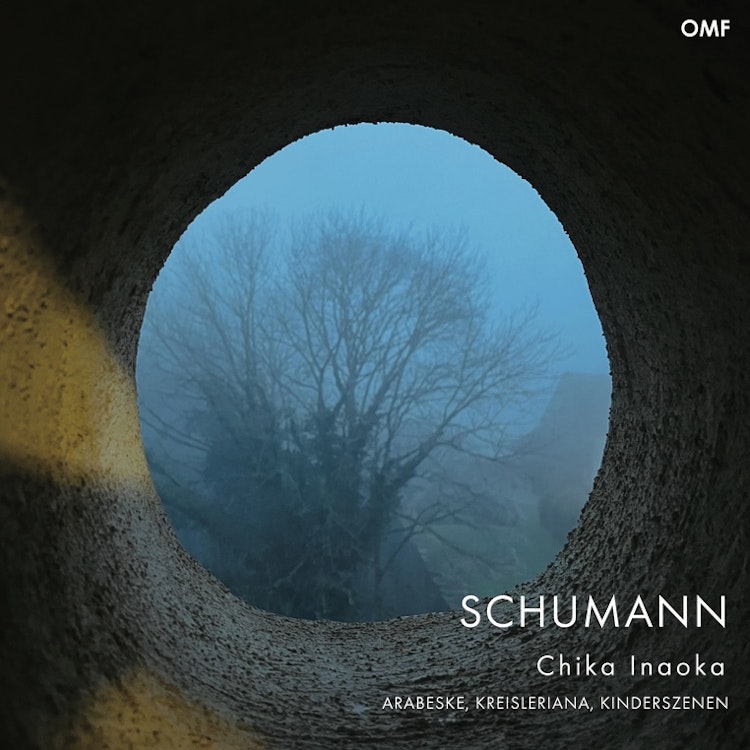
Schumann composed Arabeske, Kreisleriana, and Kinderszenen during a tumultuous period in 1838, marked by his secret engagement to Clara Wieck and her father's strong opposition.
Recording & Production
The recording venue, Minamiaizu Culture Hall, houses a C. BECHSTEIN Model D-280 piano that was also played by Jörg Demus, a renowned Austrian pianist.
Composer's Artistic Vision
The title of Schumann's Kreisleriana is inspired by Johannes Kreisler, an eccentric fictional musician from a short story by German Romantic writer E.T.A. Hoffmann.
Performer Biography
Pianist Chika Inaoka was diagnosed with acute promyelocytic leukemia in 2020 but has since returned to the stage.
Composer Biography
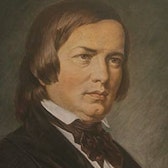
Robert Schumann's mood swings, likely bipolar disorder, were evident from his youth and intensified during the period these works were composed.
Compositional Technique
Schumann's Kinderszenen includes a hidden musical cipher of 'Bach' in the opening left-hand part of its first piece, 'Von fremden Ländern und Menschen'.
You might also enjoy...
Schumann, R.: Carnaval / Papillons / 3 Fantasiestücke
Idil Biret Solo Edition, Vol. 5
Robert Schumann Carnaval - Kreisleriana - Arabeske
Schumann, R.: Kreisleriana / Waldszenen / Blumenstuck
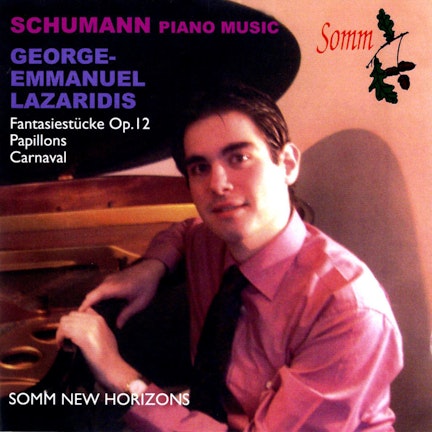
Schumann: Piano Music
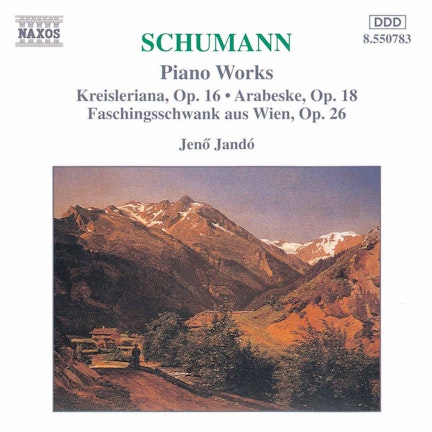
Schumann, R.: Kreisleriana / Faschingsschwank Aus Wien
Schumann: Carnaval/Faschingsschwank aus Wien
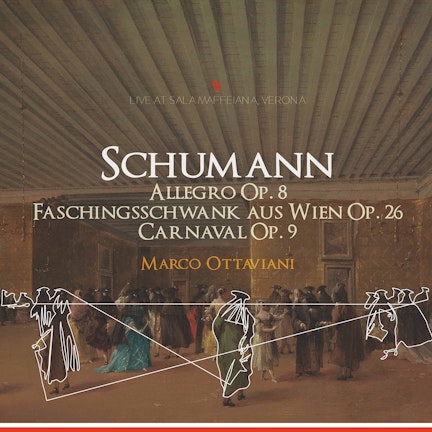
R. Schumann: Allegro in B Minor, Op. 8, Faschingsschwank aus Wien, Op. 26 & Carnaval, Op. 9
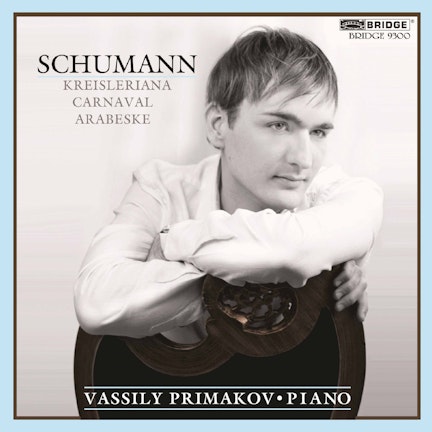
Primakov: Schumann Recital
Schumann: Carnaval, Fantasiestücke, Papillons
Schumann: Allegro; Kreisleriana; Gesänge der Frühe