Many of Robert Schumann's chamber miniatures, such as the Fantasiestücke and Adagio and Allegro, were inspired by his wife Clara, who enjoyed playing music at home with friends.
Composer Biography
Despite sympathizing with insurrectionists during the 1849 Dresden uprising, Robert Schumann's initial reaction was to hide and then flee the city with his family.
Composition History
The European revolutions of 1848-9, paradoxically, inspired rather than impaired Robert Schumann's creativity, making 1849 one of his most fruitful years.
Performer Biography
The Nash Ensemble, acclaimed as a 'chamber music group beyond compare', is the Resident Chamber Ensemble at London's Wigmore Hall.
Historical Context
During the 1848 March Revolution, Robert Schumann and his wife Clara engaged in heated political debates, shocking many with their progressive liberal views.
Composer's Artistic Vision
As a teenager, Robert Schumann, the composer, believed that political freedom was essential for the flourishing of poetry and literature.
Composition History
To maximize sales, Robert Schumann often published his chamber works, like the Fantasiestücke, Op 73, in multiple versions for different instruments such as clarinet, violin, and cello.
You might also enjoy...
Schumann: Fantasies & Fairy Tales
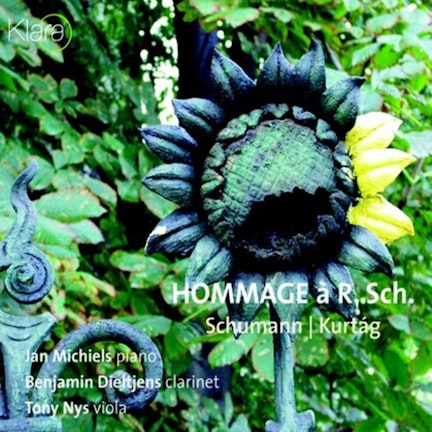
Hommage à R. Sch. (Schumann - Kurtág)
Schumann & Franck: Violin Sonatas (Arr. for Viola & Piano)
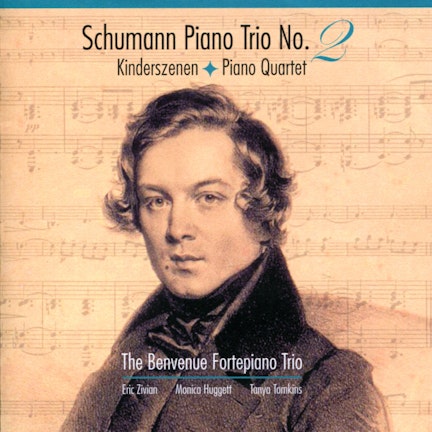
Schumann: Piano Trio No. 2, Kinderszenen, Piano Quartet
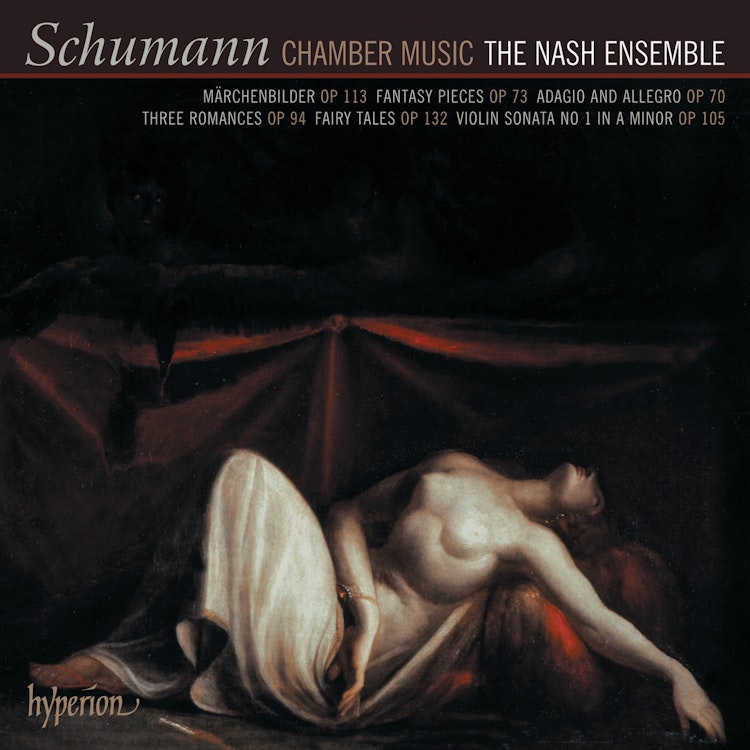
Schumann: Chamber Music
SCHUMANN, R.: 5 Pieces in Folk Style / Marchenbilder / Fantasiestucke / Adagio and Allegro (Simm, Damm, Hallmann, Timm, Webersinke)
Schumann: Piano Quintet - Piano Quartet - Märchenerzählungen
Schumann Collection - Works with Wind Instruments
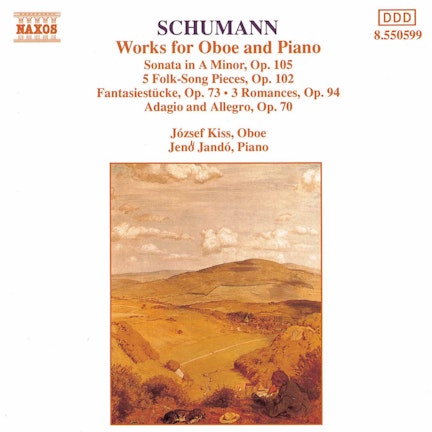
Schumann, R.: Works for Oboe and Piano
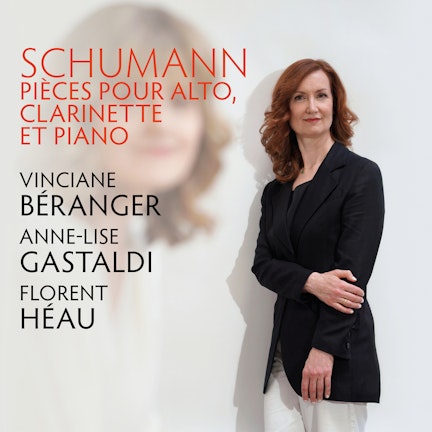
R. Schumann: Pièces pour alto, clarinette et piano
Schumann, R.: Marchenbilder / Fantasiestücke / Marchenerzahlungen / Adagio and Allegro / Schumann, C.: 3 Romanzen