Robert Schumann used invented figures like Florestan and Eusebius of the 'Davidsbündler' to manage the various inner voices he heard, giving them names and personalities.
Composer's Artistic Vision
Robert Schumann's compositions are noted for their 'haunting inner voices' that unexpectedly appear and disappear, a reflection of his lifelong experience of hearing voices.
Interpretation
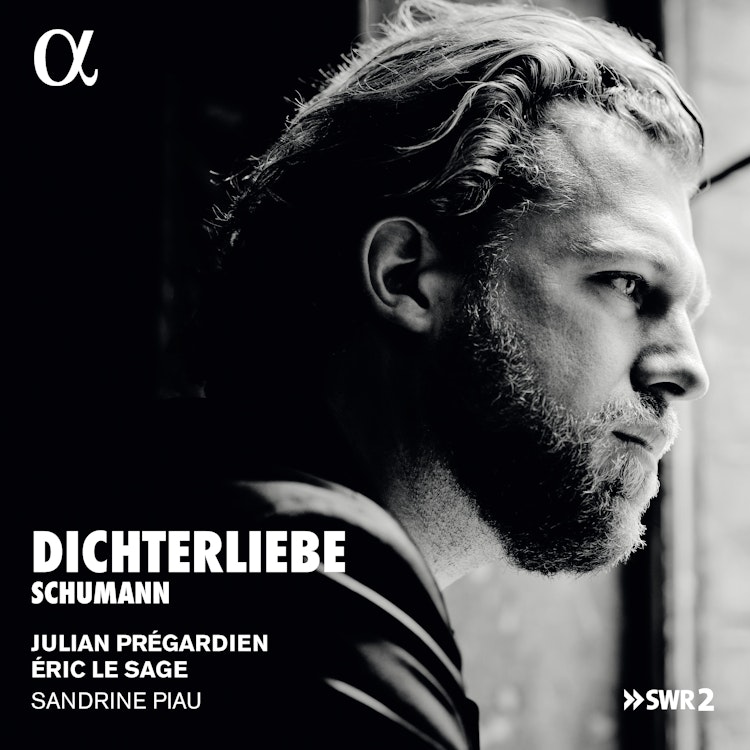
Julian Prégardien's interpretation is heavily influenced by a 'historically informed' approach, involving the study of original manuscripts, sketches, and correspondence.
Interpretation
For this studio recording, Julian Prégardien incorporated Robert Schumann's earlier rhythmic and declamatory drafts for certain lines, finding them more convincing.
Instruments
The fortepiano used in this recording is a Julius Blüthner instrument from Leipzig, 1856, restored by Christoph Kern.
Historical Context
This album includes works by Clara Schumann, Robert Schumann's wife, and serves as an artistic tribute to her 200th birthday in 2019.
Recording & Production
This recording of Dichterliebe was made in a studio, unlike Julian Prégardien's previous Winterreise project, which was a live recording.
You might also enjoy...
Schumann: Alle Lieder
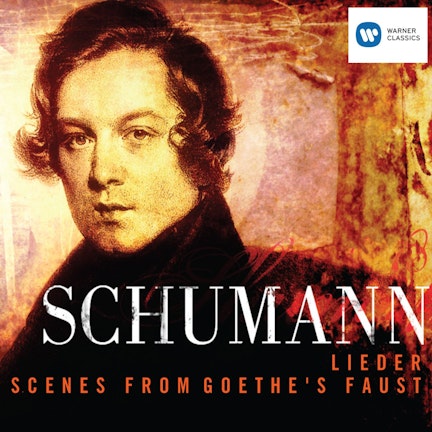
Schumann - 200th Anniversary Box - Lieder
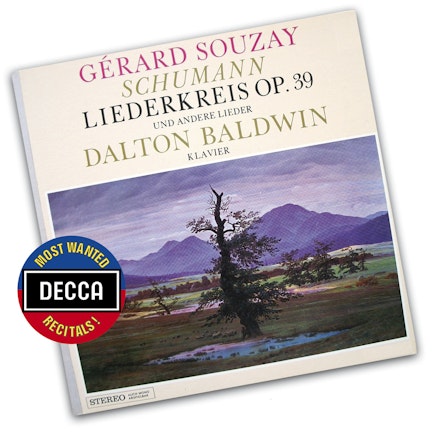
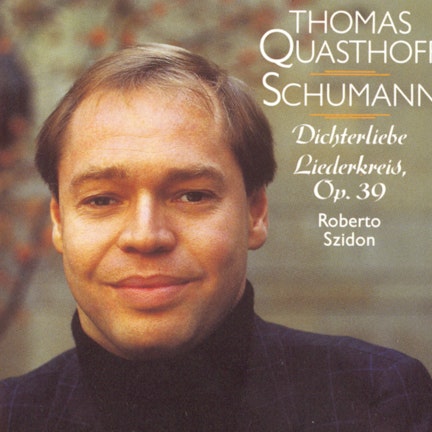
Schumann: Liederkreis, Op. 39 und andere Lieder
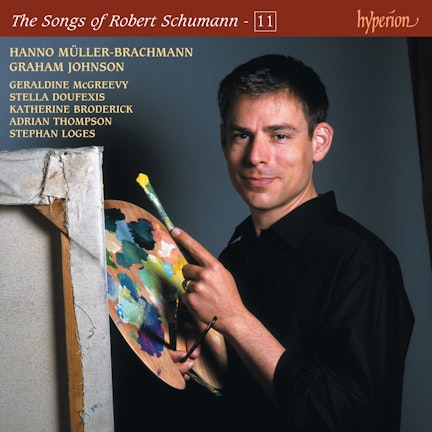
Schumann: The Complete Songs, Vol. 11
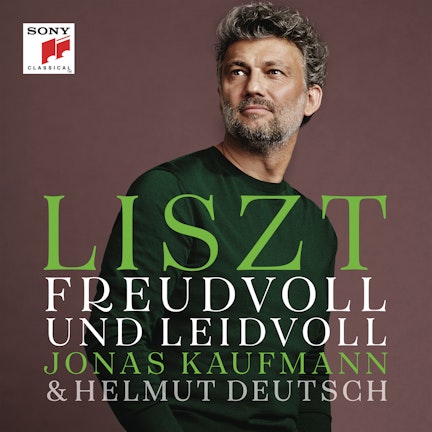
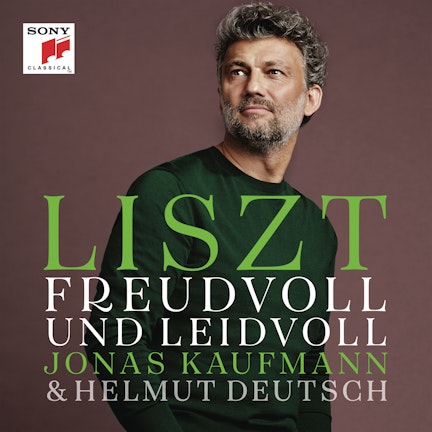
Liszt - Freudvoll und leidvoll
Schumann Liederkreis
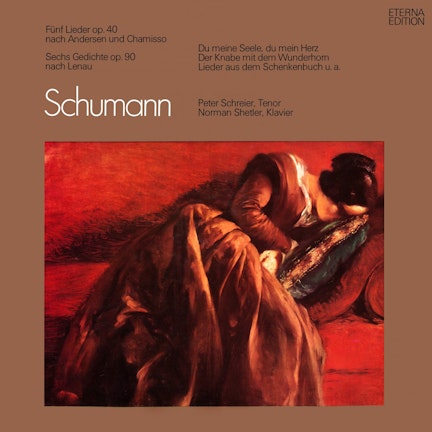
Schumann: Lieder
Liszt - Freudvoll und leidvoll
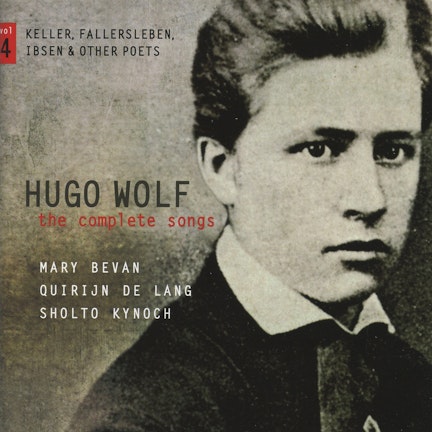
Wolf: The Complete Songs, Vol. 4
Schumann & Brahms: Vocal Quartets
Polish Love Story
Johann Joseph Abert - Ein musikalisches Porträt
Respighi: Complete Songs For Voice and Piano, Volume 1