Robert Schumann aimed to infuse the symphony genre with a new element he called 'poetry,' which he defined as the free flight of imagination and intuition.
Critical Reception
The instrumentation of Schumann's symphonies was often considered problematic and subjected to various 'corrections' by conductors like Gustav Mahler, George Szell, and Felix Weingartner.
Compositional Technique
Schumann's 'Rhenish' Symphony (No. 3) uses a five-movement structure, archaic counterpoint, and links the entire symphony through the core interval of the fourth.
Performer Biography
The SWR Sinfonieorchester Baden-Baden und Freiburg, founded in 1946, is renowned for its commitment to new music, having premiered nearly 400 pieces by composers like Ligeti and Stockhausen.
Composition History
Schumann composed his symphonies, like most of his works, with frenetic speed, often completing definitive versions in just a few weeks or even days.
Compositional Technique
Schumann's C Major Symphony (No. 2) incorporates older compositional techniques like counterpoint and thematic links between movements, including brass fanfares similar to Haydn's Symphony No. 104.
Interpretation
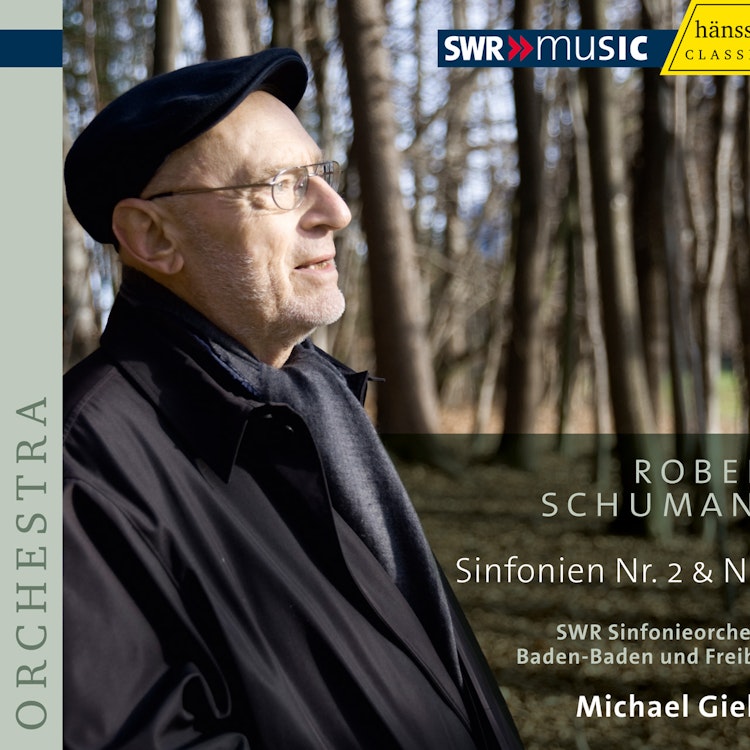
Conductor Michael Gielen, like Mahler and Szell, believed that for Schumann's symphonies, 'being truly faithful to the composer's intentions on a higher plane means to change the score in order to clarify the shape and sense of the music'.
You might also enjoy...
Schumann: Symphonies No.1 & 3 ("Rhénane" & "Le Printemps")
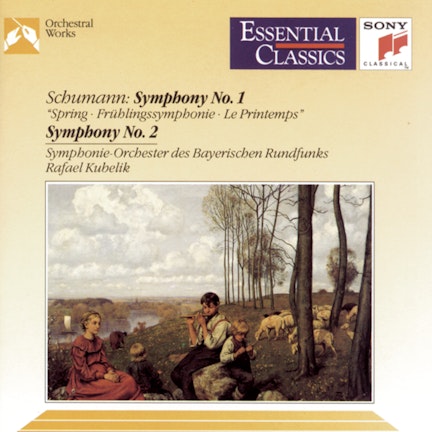
Schumann: Symphonies 1 & 2
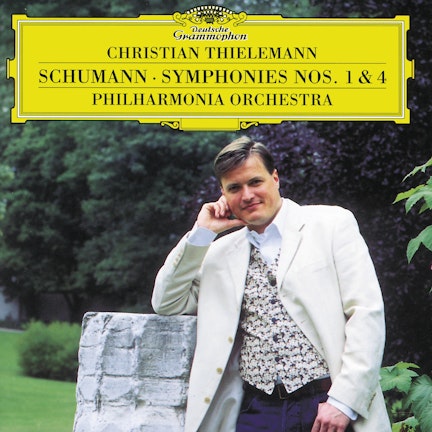
Schumann: Symphonies Nos. 1 & 4
Schumann: Symphonies Nos. 2 & 3
Schumann: Symphonies Nos.1 & 4
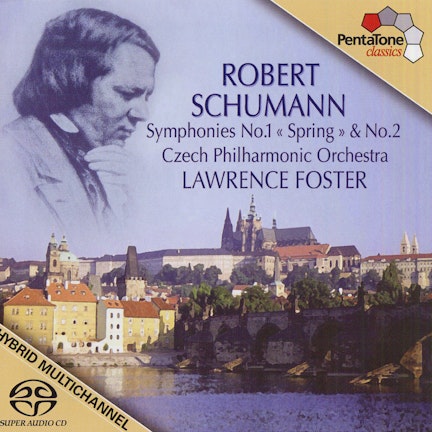
Schumann: Symphonies Nos. 1 & 2
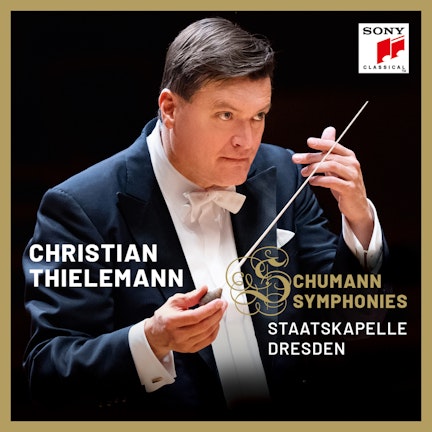
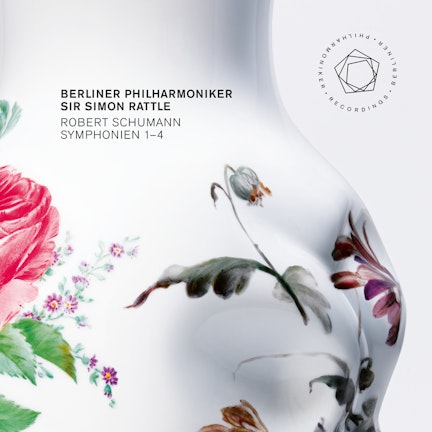
Schumann: Symphonies
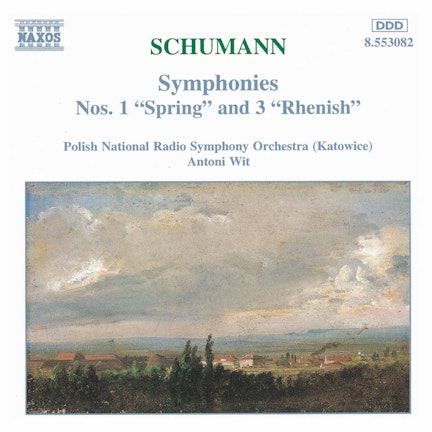
Schumann, R.: Symphonies Nos. 1 and 3
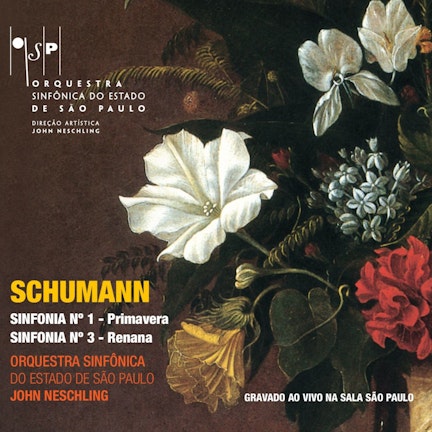
Schumann: Sinfonia No. 1 em Si Bemol Maior, Op. 38 - Primavera e Sinfonia No. 3 em Mi Bemol Maior, Op. 97 - Renana