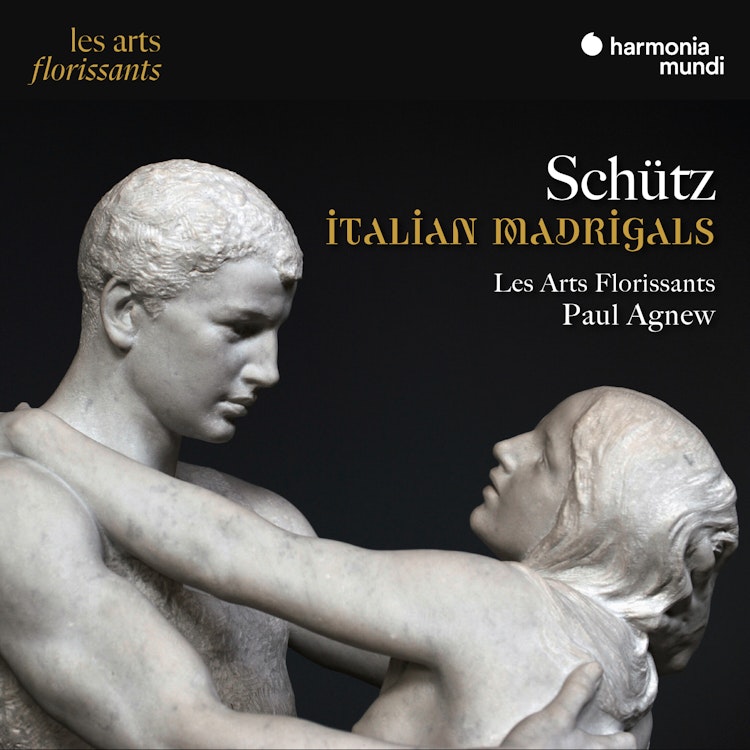
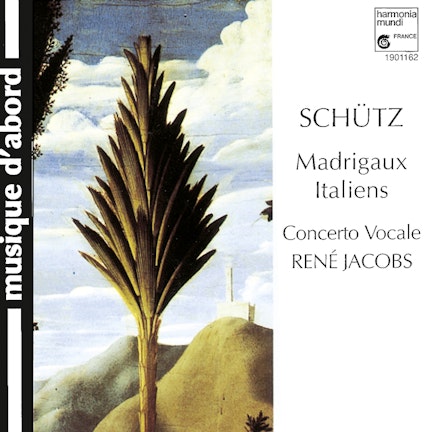
Schütz's 'Primo Libro de Madrigali' was published in 1611, just two years after he arrived in Venice to study composition.
Historical Context
Landgrave Moritz of Hesse, Schütz's patron, was known as 'the Learned' due to his interest in science and arts and his ability to speak several languages, which was unusual for rulers of his time.
Composer's Artistic Vision
Schütz's Italian madrigals are not mere imitations; they possess a unique 'Schützian' flavor while honoring contemporary Italian masters like Gabrieli, Monteverdi, and Marenzio.
Compositional Technique
Schütz learned from the Italian madrigal how to combine the form and content of poetic texts with suitable musical settings, making music 'speak' the meaning and tone of words.
Composer Biography
Heinrich Schütz, born in 1585, began his musical career at age twelve when Landgrave Moritz of Hesse heard his voice and invited him to join his chapel choir.
Cultural Impact
Heinrich Schütz is considered the 'father of German Baroque music' and influenced generations of composers, including J. S. Bach, who was born exactly 100 years after him.
Compositional Technique
Schütz's 'Primo Libro de Madrigali' is notable for being among the last examples of fully polyphonic madrigals without continuo, appearing after the first operas and Monteverdi's Fifth Book of Madrigals with continuo.
You might also enjoy...
Per voi lasso
Gesualdo: Madrigals, Books 5 & 6
Gesualdo: Madrigali, Libri primo & secondo
Gesualdo: O dolce mio tesoro. Madrigali a cinque voci, Libro sesto (1611)
Monteverdi: Il sesto libro de madrigali
Luca Marenzio: Madrigali á 5 voci, Libro 9 (Excerpts)
Gesualdo: Dolcissima mia vita. Madrigali a cinque voci, Libro quinto (1611)