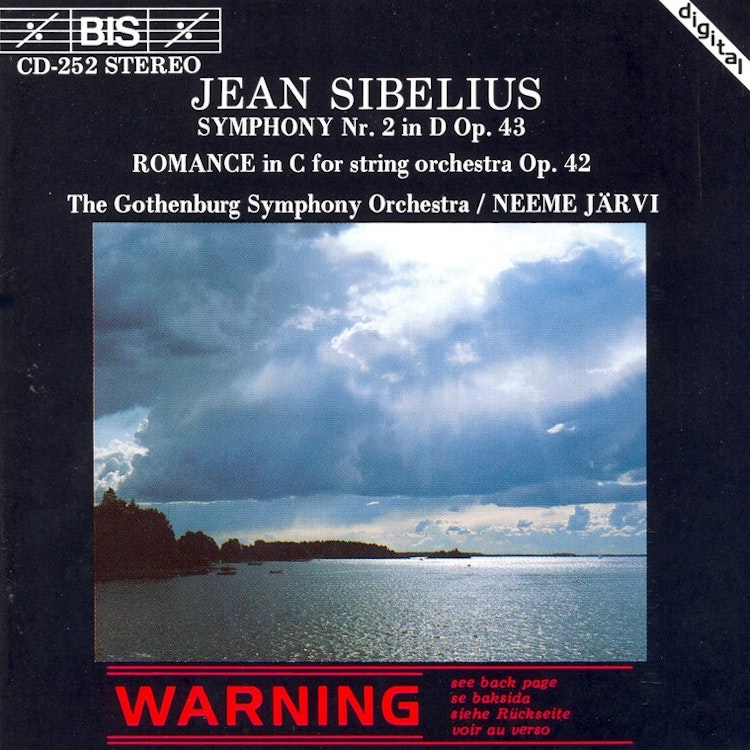
Sibelius: Symphony No. 2 in D Major, Op. 43 / Romance in C Major, Op. 42
1/1/1985, 4 Tracks, 47:39
Featuring
Neeme Järvi
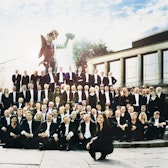
Göteborgs Symfoniker
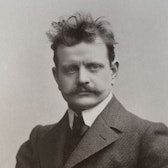
Jean Sibelius
Did you know?
1/7
Critical Reception
Sibelius's Symphony No. 2 was an unprecedented success in Finland, with all four premiere concerts in March 1902 selling out.
Performer Biography
The Gothenburg Symphony Orchestra, one of Scandinavia's oldest, was founded in 1905 and has hosted many famous conductors, including Jean Sibelius, Carl Nielsen, Bruno Walter, and Herbert von Karajan.
Performer Biography
Neeme Järvi, the conductor on this album, was born in Estonia in 1937 and received his main conducting training at the Leningrad Conservatoire.
Cultural Impact
Robert Kajanus, a Finnish conductor and composer, interpreted Sibelius's Symphony No. 2 as a musical reflection of the political situation of the time, seeing the Andante as a protest against injustice.
Composer's Artistic Vision
Sibelius himself offered a vague, philosophical comment on the interpretation of his symphony, quoting Shakespeare: "There are more things in heaven and on earth, Horatio, than philosophy ever dreamt of."
Composition History
Sibelius composed the second movement of his Symphony No. 2 in Rapallo, Italy, in the spring of 1901, while surrounded by a beautiful garden.
Recording & Production
This recording was made in the Gothenburg Concert Hall, which is considered one of the world's finest concert venues, a quality confirmed by scientific study and interviews with 23 international conductors.
You might also enjoy...
Classics for All Seasons: Autumn
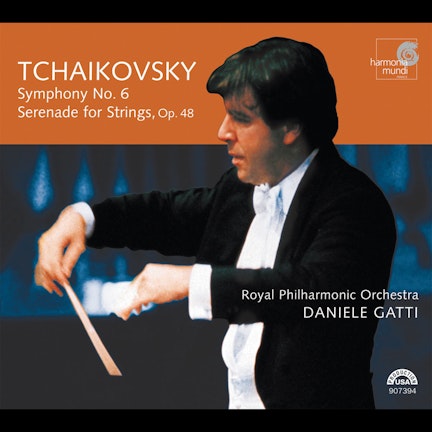
Tchaikovsky: Symphony No. 6, Serenade for Strings
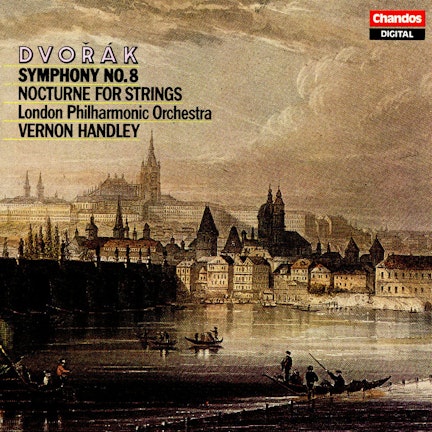
Dvořák: Symphony No. 8 & Nocturne for Strings
Tchaikovsky: Symphony No. 6, Pathétique; Serenade for Strings op. 48
Tchaikovsky, P.I.: Symphony No. 4 / Serenade in C Major / Elegy in Honour of Ivan Samarin
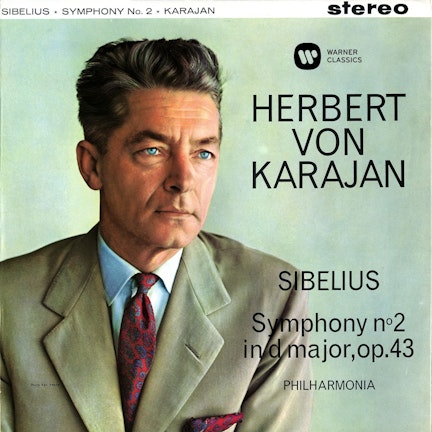
Sibelius: Symphony No. 2
Sibelius: Symphony No. 1 in E Minor, Op. 39 & Symphony No. 6 in D Minor, Op. 104