During his time in Berlin, Skalkottas studied composition with notable figures such as Kurt Weill and Arnold Schoenberg, with whom he studied from 1927 to 1932.
Composer's Artistic Vision
Skalkottas developed a unique compositional method, assimilating influences from his teachers and creating his own twelve-tone systems or tonal works, always in an identifiable style.
Critical Reception
Skalkottas's music remained largely unknown and unperformed during his lifetime, only gaining recognition after his death, thanks to efforts by friends like John G. Papaioannou.
Composition History
Disheartened by a lack of wider recognition, Skalkottas ceased composing in 1931 and returned to Greece in 1933, leaving all his compositions behind as Hitler rose to power.
Composer Biography
Skalkottas studied violin with Tony Schulze at the Athens Conservatory and later with Willy Hess in Berlin, before abandoning violin to pursue composition.
Performer Biography
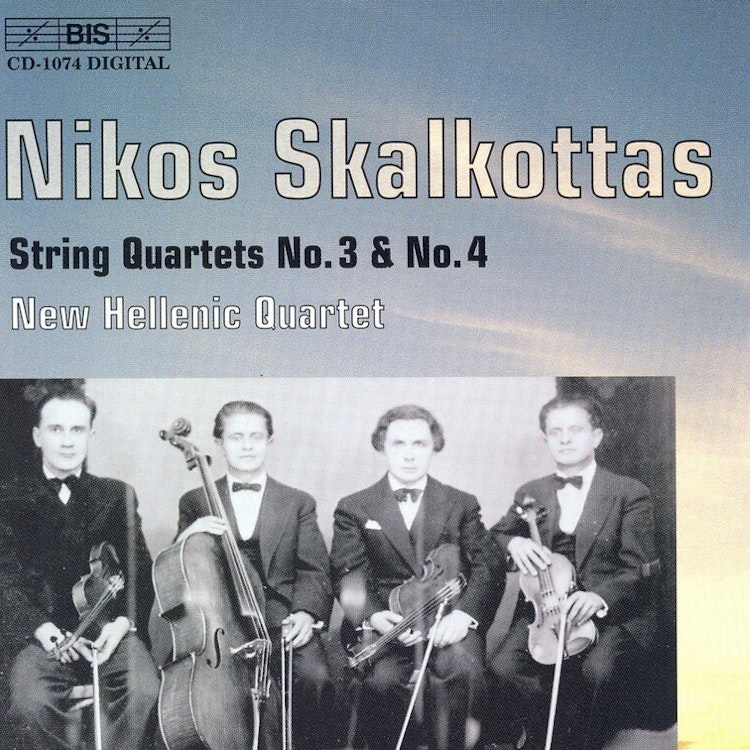
The New Hellenic Quartet, considered Greece's foremost chamber ensemble, emphasizes Greek compositions in its repertoire and has performed Skalkottas's complete string quartet works in major European centers.
Composer Biography
Nikos Skalkottas, a Greek composer, was born into a poor family of folk musicians and marble carvers in Chalkis in 1904.
You might also enjoy...
Jorge Grundman: Surviving a Son's Suicide & God's Sketches