From the Civil War to about 1920, band concerts were the most important aspect of US musical life, with few American orchestras existing at the time.
Compositional Technique
John Philip Sousa modified the traditional brass band by decreasing brass and percussion instruments, increasing woodwinds, and adding a harp, allowing for programs almost as varied as a symphony orchestra.
Composer Biography
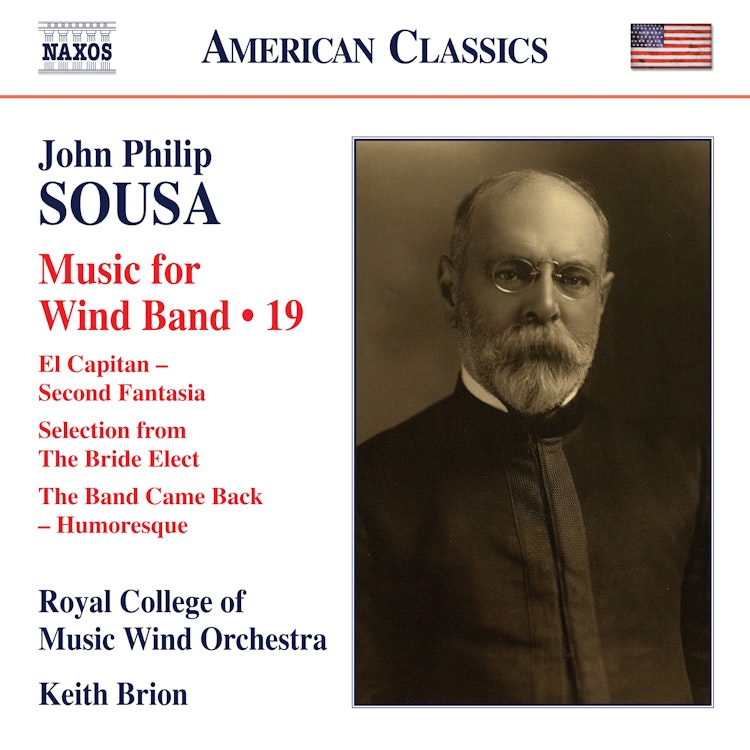
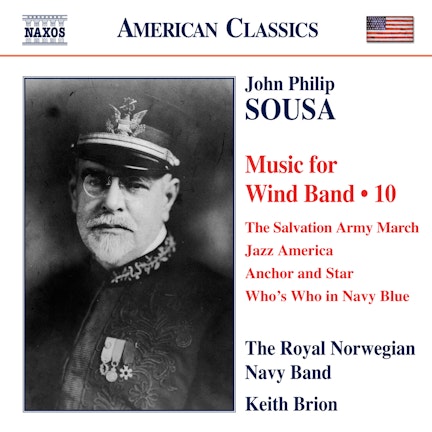
John Philip Sousa, at 26, became conductor of the United States Marine Band in 1880, earning him the title of 'The March King' within twelve years.
Performer Biography
Keith Brion, the conductor on this album, leads his own New Sousa Band and is a specialist in Sousa's period style, having published numerous performing editions of his music.
Cultural Impact
The Sousa Band toured extensively for nearly four decades, logging over a million miles and bringing music to hundreds of American towns and across the globe.
Recording & Production
This album features a world premiere recording of the "Second Fantasia from El Capitan," an arrangement by Vincent Ragone preferred by Sousa himself.
Composer's Artistic Vision
John Philip Sousa believed a march 'should make a man with a wooden leg step out,' and his compositions, like "The Stars and Stripes Forever," are universally acknowledged as the best of the genre.