By 1889, Charles Villiers Stanford had achieved considerable reputation as a composer in Britain and Europe, with four symphonies and numerous choral works to his name.
Recording & Production
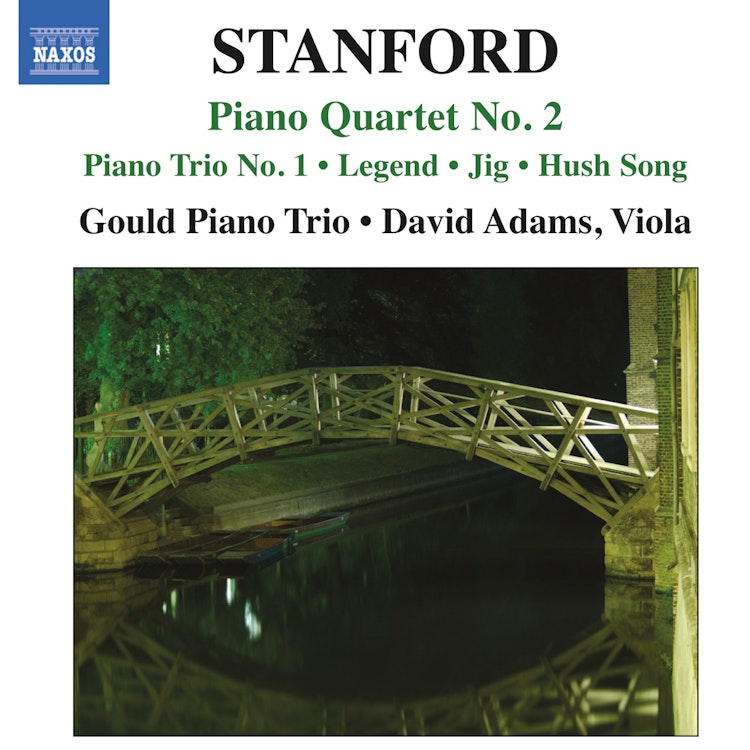
This recording is part of an ongoing series by the Gould Piano Trio for Naxos, featuring chamber music by late English Romantics like Bax, Stanford, and Ireland.
Composition History
The Piano Trio No. 1, Op. 35, by Charles Villiers Stanford was completed in 1889 and dedicated to his personal friend, the pianist and conductor Hans von Bülow.
Instruments
Lucy Gould, the violinist of the Gould Piano Trio, plays a Joseph 'filius Andreas' Guarneri violin from 1703, and Alice Neary, the cellist, plays an Alessandro Gagliano cello from 1710.
Composition History
Charles Villiers Stanford's Piano Quartet No. 2, Op. 133, remained unpublished at his death in 1924 and was not heard again until its revival in 2010 by the Gould Trio.
Composer's Artistic Vision
Charles Villiers Stanford considered chamber music to be one of the most essential representations of 'absolute music'.
Composer Biography
Charles Villiers Stanford, born in Dublin, was organist and choirmaster at Trinity College, Cambridge, and later became Professor of Composition at the Royal College of Music and chair of music at Cambridge University.
You might also enjoy...
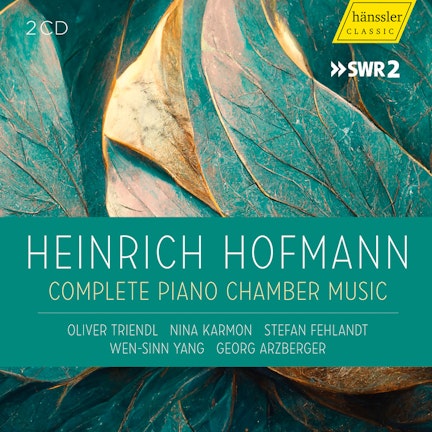
Heinrich Hofmann - Complete Piano Chamber Music
Franck: Complete Chamber Music
Martha Argerich & Friends Live at the Lugano Festival 2013
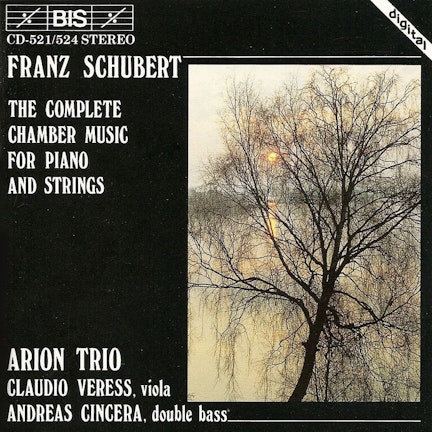
Schubert: Complete Chamber Music for Piano and Strings
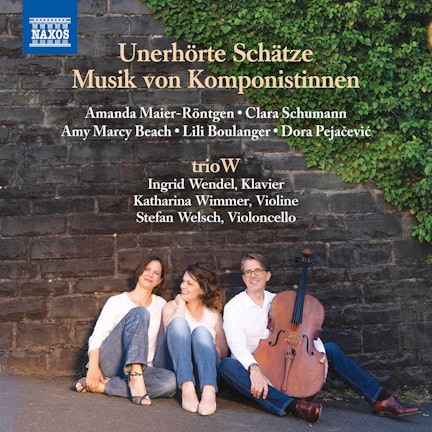
Unerhörte Schätze
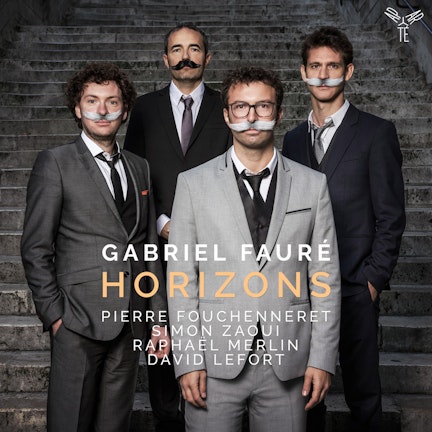
Gabriel Fauré: Horizons
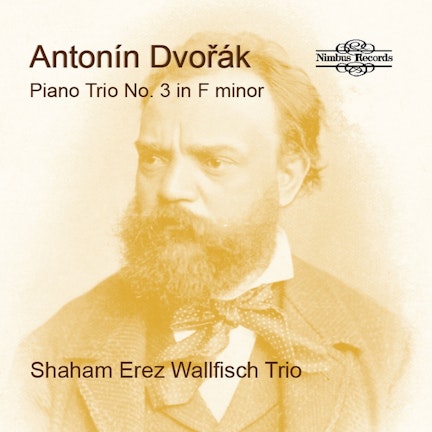
Dvorak Piano Trio No. 3
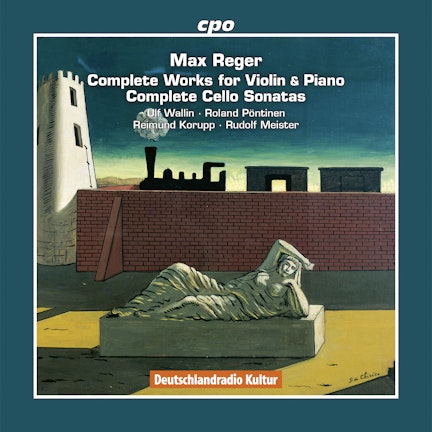
Reger: Complete Works for Violin and Piano & Complete Cello Sonatas
Schubert: Piano Trio in E-Flat Major, Op. 100 & Sonatina in A Minor, Op. 137 No. 2
Pierne: Flute Sonata / Piano Trio
Schubert: Piano Trio in E-Flat Major, Op. 100 & Sonatina in A Minor, Op. 137 No. 2
Dvorák: Sonatine Op.100 / Tchaikovsky: Piano Trio Op.50