Christian Lindberg's conducting career began in 2000 after a stunning review in The Guardian, leading to directorships of the Nordic Chamber Orchestra and Swedish Wind Ensemble.
Composition History
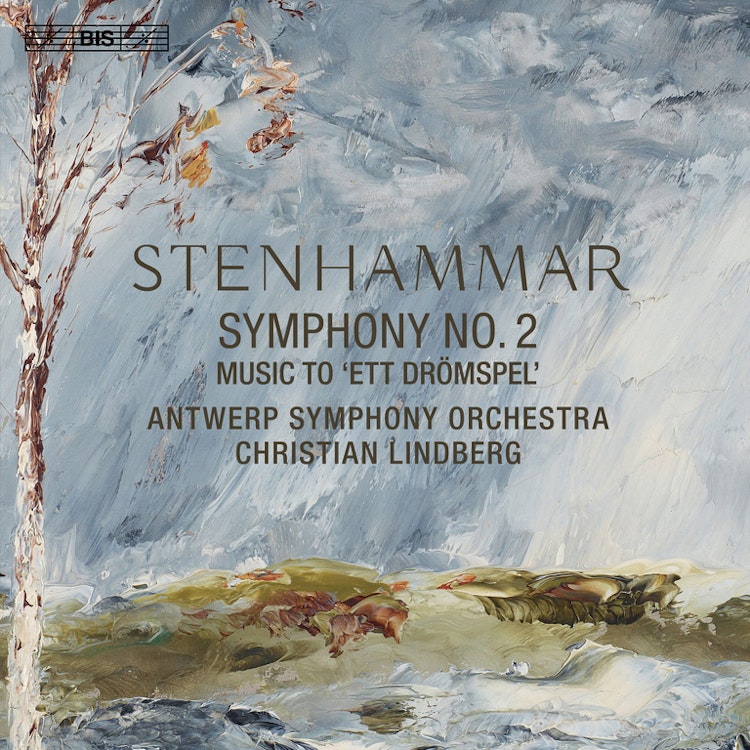
Stenhammar's music for August Strindberg's 'A Dream Play' was composed for the opening of the Lorensberg Theatre in Gothenburg in 1916, a technically advanced venue with excellent acoustics.
Compositional Technique
The main theme of Stenhammar's Symphony No. 2 is reminiscent of a Swedish folk song, but his treatment is symphonic, breaking the melody into components for motivic development.
Critical Reception
The premiere of Stenhammar's G minor Symphony in Gothenburg was a success, but some reviewers found its orchestration harsh and counterpoint intricate, though Stenhammar was confident in his composition.
Composer Biography
Stenhammar, a self-taught pianist, undertook intensive personal study of counterpoint, solving several thousand assignments over about a decade.
Composer's Artistic Vision
Stenhammar aimed to write "sober and honest music without showing off," aligning himself with the new direction of Sibelius and Carl Nielsen, moving away from late Romanticism.
Composer Biography
Wilhelm Stenhammar, the composer, dedicated his Fourth String Quartet to Jean Sibelius, and Sibelius in turn dedicated his Sixth Symphony to Stenhammar, reflecting their mutual respect.
You might also enjoy...
Tchaikovsky: Symphony No. 1, "Winter Daydreams" - The Snow Maiden
Sibelius: Orchestral Works (Live)
Tchaikovsky, P.: Symphony No. 5 / Marche Slave
Tchaikovsky: Symphony No. 6 – Mussorgsky: Prelude to Khovanshchina
Georg Schumann: Symphony in B minor - Serenade, Op. 34
Stenhammar: Symphony No. 2 in G Minor, Op. 34 & Serenade in F Major, Op. 31 (Live)
Franck: Symphony in D minor/D'Indy: Symphonie sur un chant montagnard ("Symphonie Cévénole")