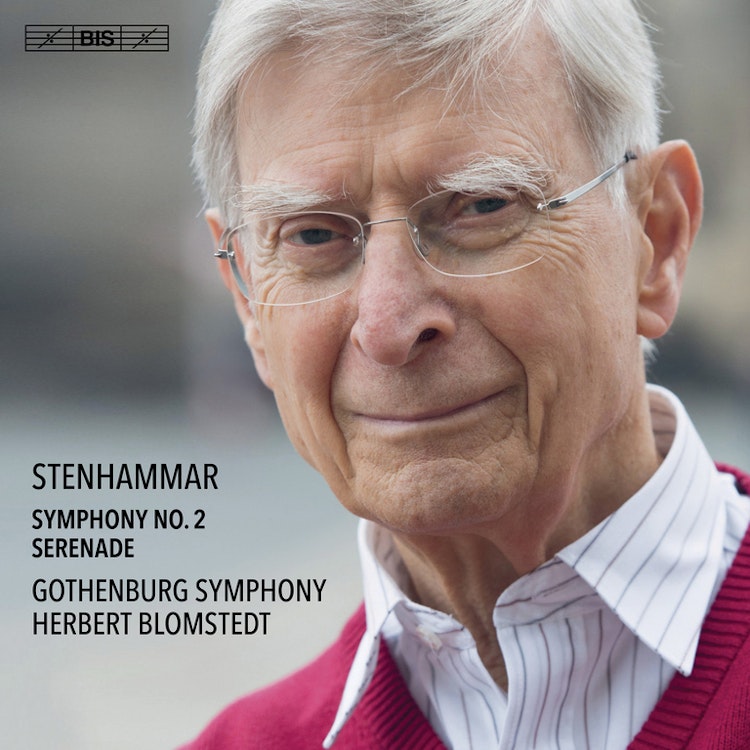
Stenhammar: Symphony No. 2 in G Minor, Op. 34 & Serenade in F Major, Op. 31 (Live)
1/4/2019, 9 Tracks, 1:23:32
Featuring
Herbert Blomstedt
Göteborgs Symfoniker
Wilhelm Stenhammar
Did you know?
1/7
Critical Reception
Initial reactions to Stenhammar's Symphony No. 2 were mixed, with some reviewers finding its orchestration and intricate counterpoint difficult to digest.
Composer Biography
Despite being a conductor and pianist, Stenhammar struggled with feeling self-taught and undertook an intensive personal study of counterpoint, solving thousands of assignments over a decade.
Performer Biography
Herbert Blomstedt, the conductor, is known for his exceptional qualities of nobility, charm, sobriety, and modesty, which are atypical for conductors, yet he possesses strong musical authority.
Composition History
Stenhammar's Serenade in F major was initially unsuccessful and withdrawn after its 1914 premiere, but a revised five-movement version in 1919 became a great success.
Composer Biography
Wilhelm Stenhammar, the composer, dedicated his Fourth String Quartet to Jean Sibelius, and Sibelius, in turn, dedicated his Sixth Symphony to Stenhammar, reflecting their mutual respect.
Composition History
Stenhammar's Symphony No. 2 was finished only six days before its first performance, with the finale rehearsed for the first and only time on the concert day.
Composer's Artistic Vision
Stenhammar aimed to write "sober and honest music without showing off" in his Symphony No. 2, aligning himself with the new direction of Sibelius and Carl Nielsen, moving away from late Romanticism.
You might also enjoy...
Georg Schumann: Symphony in B minor - Serenade, Op. 34
Tchaikovsky: Symphony No. 6 – Mussorgsky: Prelude to Khovanshchina